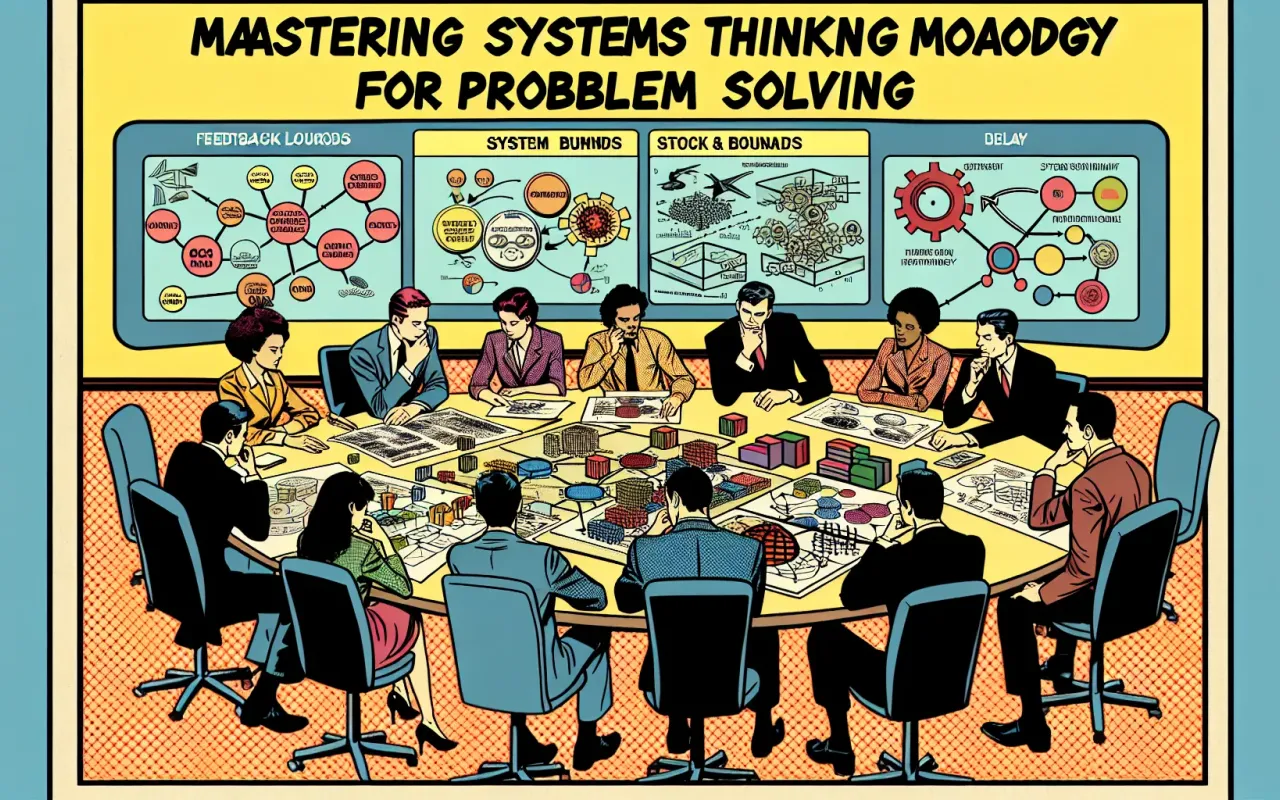
Discover how to master systems thinking methodology for problem solving with this comprehensive guide. Learn to effectively address complex problems through systems thinking.
- August 28, 2024
AceShowbiz - In today's increasingly complex world, traditional problem-solving approaches often fall short. This has led to the rise of the systems thinking methodology for problem solving, a transformative technique that emphasizes understanding the interconnectedness of components within a system. This article explores the principles of systems thinking and provides practical strategies for applying these principles to effective problem-solving.
What is Systems Thinking?
Systems thinking is a holistic approach to analysis that focuses on the way a system's constituent parts interrelate and how systems work over time and within the context of larger systems. It contrasts with traditional analysis, which isolates smaller components of the system. By seeing the 'big picture,' systems thinking helps us address complex issues in a more comprehensive and effective manner.
The Core Principles of Systems Thinking Methodology
Interconnectedness
Interconnectedness suggests that individual elements of a system are interdependent. Changes in one part of the system affect the entire system. Recognizing these connections helps in understanding the broader impact of isolated issues.
Feedback Loops
Feedback loops are circular processes that occur in systems where the output is routed back as input, influencing subsequent outputs. There are positive feedback loops, which amplify changes, and negative feedback loops, which dampen changes. Both types of loops are crucial in predicting and managing system behavior.
Complexity
Systems thinking acknowledges complexity, recognizing that simple solutions often fail to address the underlying causes of complex issues. By appreciating complexity, we can develop more nuanced and adaptive strategies.
Holistic Perspective
Systems thinking requires a shift from linear to holistic perspectives, understanding that parts of the system must be viewed in the context of the whole. This perspective helps in identifying the root causes of problems and developing comprehensive solutions.
Applying Systems Thinking to Problem Solving
Define the System
The first step in applying systems thinking to problem-solving is to define the system you are examining. This involves identifying the system's boundaries, components, and relationships. Clearly defining the system helps in understanding the scope and context of the problem.
Identify Patterns and Trends
Look for recurring patterns and trends within the system. This might involve examining historical data, conducting trend analysis, or mapping out cause-and-effect relationships. Patterns can reveal underlying issues that may not be immediately obvious.
Identify Leverage Points
Leverage points are places within a system where a small change can produce significant improvements. Identifying and strategically targeting these points can lead to more effective and efficient problem resolution. Focus on high-impact elements rather than attempting to change the entire system at once.
Map the System
Creating visual representations of the system, such as causal loop diagrams or system maps, can help in understanding the relationships and interactions between different components. These tools facilitate better communication and collaboration among stakeholders.
Develop and Test Solutions
Use the insights gained from systems thinking to develop potential solutions. It's crucial to test these solutions on a small scale or in simulations to evaluate their effects on the system. Iterative testing allows for refinement and adaptation, leading to more robust and sustainable solutions.
Benefits of Systems Thinking in Problem Solving
Adopting systems thinking provides several key advantages:
Enhanced Problem Understanding
By looking at the whole system rather than just individual components, systems thinking can uncover root causes and interdependencies that traditional analysis might miss.
Better Decision-Making
Understanding the broader impact of decisions within the system leads to more informed and effective decision-making, reducing unintended consequences.
Increased Collaboration
Systems thinking encourages collaboration among stakeholders by fostering a shared understanding of the problem and its context. This collective approach can lead to more innovative and cohesive solutions.
Adaptability and Resilience
By recognizing and addressing complexity, systems thinking helps organizations build more adaptable and resilient strategies, better equipping them to handle future challenges.
Challenges in Implementing Systems Thinking
Resistance to Change
Implementing systems thinking often requires a cultural shift that may encounter resistance. Successfully managing this resistance involves strong leadership and effective change management strategies.
Complexity of Analysis
The comprehensive nature of systems thinking can make analysis complex and time-consuming. Balancing depth of analysis with practical constraints is a critical challenge.
Conclusion
The systems thinking methodology for problem solving offers a powerful framework for addressing complex problems in a holistic and effective manner. By understanding the interconnectedness and feedback loops within systems, and by identifying patterns, trends, and leverage points, this approach enables more informed decision-making and sustainable problem resolution. While challenges exist in adopting systems thinking, the benefits it provides in terms of enhanced understanding, better decision-making, increased collaboration, and greater adaptability make it an invaluable tool for modern problem-solving.