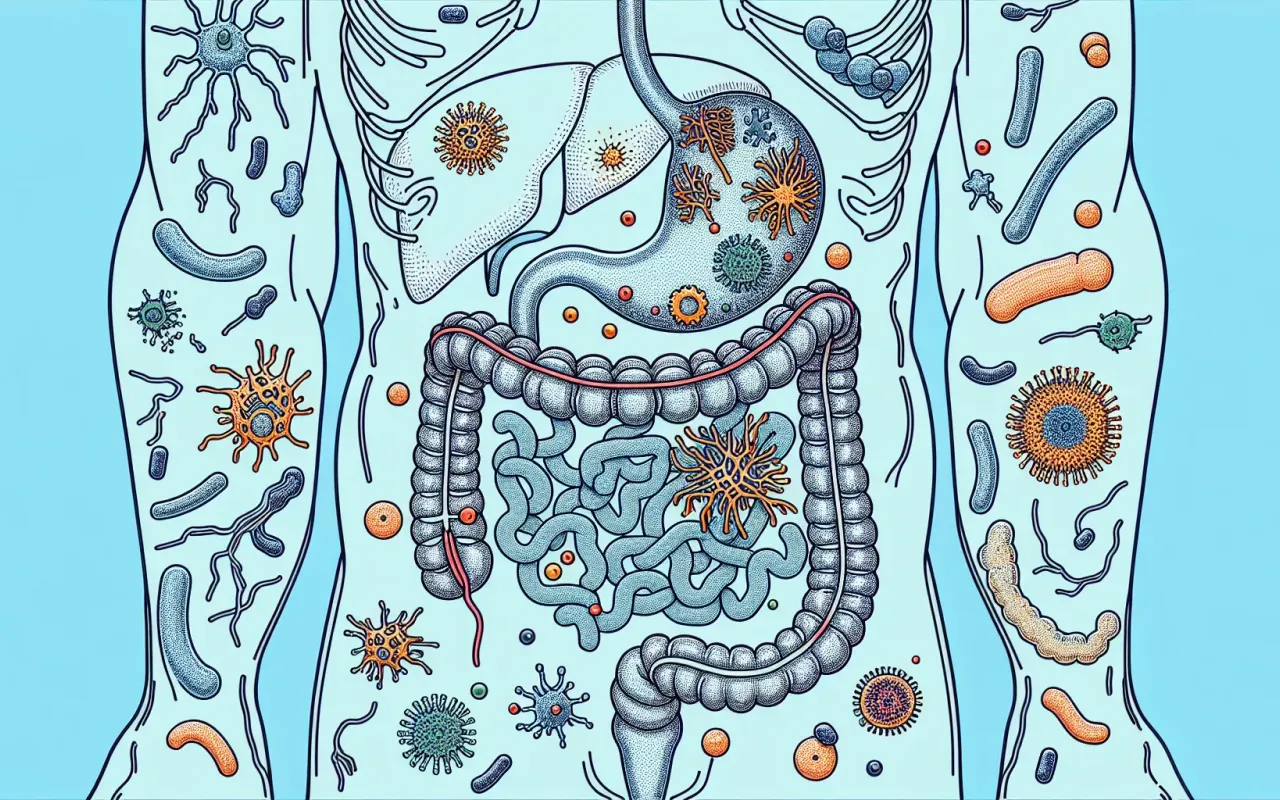
Discover how gut flora and the immune system collaborate to maintain your health. Learn about the gut microbiome's role in immunity and overall well-being.
- August 28, 2024
Introduction
The human body is a complex ecosystem, housing trillions of microorganisms, primarily in the gut. The interaction between gut flora and the immune system plays a pivotal role in maintaining health and preventing disease. This article explores the critical relationship between gut flora and the immune system, delving into how these two systems collaborate to keep us healthy.
Understanding Gut Flora
Gut flora, also known as the gut microbiome, comprises a diverse community of bacteria, viruses, fungi, and other microorganisms living in the digestive tract. The majority of these microorganisms are beneficial, contributing to various bodily functions, including digestion, metabolism, and immune response.
The Composition of Gut Flora
The gut microbiome begins to develop at birth and evolves throughout life. Its composition is influenced by factors such as diet, environment, genetics, and lifestyle. The majority of gut bacteria belong to two phyla: Bacteroidetes and Firmicutes. However, a healthy gut contains a wide diversity of microbial species.
Functions of Gut Flora
Gut flora performs several crucial functions, including:
- Breaking down complex carbohydrates and fibers.
- Producing essential vitamins, like B vitamins and vitamin K.
- Fermenting undigestible substrates to produce short-chain fatty acids (SCFAs).
- Modulating the immune system.
The Immune System: An Overview
The immune system is the body's defense mechanism against pathogens. It comprises a network of cells, tissues, and organs that work together to identify and neutralize harmful invaders.
Components of the Immune System
The immune system is broadly divided into two categories:
- Innate Immunity: The first line of defense, providing immediate but non-specific protection.
- Adaptive Immunity: A specialized defense system that develops over time, offering long-term protection through memory cells.
Immune System Functions
The primary functions of the immune system include:
- Recognizing and responding to pathogens.
- Eliminating infected cells.
- Preventing and controlling infections.
How Gut Flora and the Immune System Interact
The relationship between gut flora and the immune system is symbiotic and multifaceted. Here are some ways they interact:
Barrier Function
Gut flora contributes to the integrity of the gut lining, creating a barrier that prevents pathogens from entering the bloodstream. Beneficial bacteria stimulate the production of mucus and strengthen tight junctions between cells, reducing the risk of leaky gut syndrome and inflammation.
Immune System Education
The gut microbiome plays a crucial role in "training" the immune system. Early exposure to diverse microorganisms helps the immune system distinguish between harmless and harmful entities, reducing the risk of autoimmune diseases and allergies.
Production of Antimicrobial Substances
Certain gut bacteria produce substances like bacteriocins and SCFAs, which inhibit the growth of harmful microbes and promote a balanced microbial ecosystem. SCFAs, in particular, modulate immune responses by influencing the activity of various immune cells.
Maintaining a Healthy Gut-Immune Relationship
Ensuring a healthy relationship between gut flora and the immune system is vital for overall well-being. Here are some tips to maintain a robust gut-immune connection:
Diet and Nutrition
A balanced diet rich in fruits, vegetables, whole grains, and fermented foods can support a healthy gut microbiota. Fiber acts as a prebiotic, feeding beneficial bacteria and promoting the production of SCFAs.
Probiotics and Prebiotics
Probiotics are live beneficial bacteria that can be consumed through supplements or fermented foods like yogurt and kefir. Prebiotics, on the other hand, are non-digestible fibers that nourish beneficial bacteria. Incorporating both probiotics and prebiotics can help maintain a balanced gut microbiome.
Avoiding Antibiotic Overuse
While antibiotics are essential for treating bacterial infections, overuse can disrupt the gut microbiome, eliminating beneficial bacteria and allowing harmful microbes to thrive. Use antibiotics judiciously and under medical supervision.
Managing Stress
Chronic stress can negatively impact gut health and immune function. Practices like mindfulness, meditation, and regular exercise can help manage stress and promote a healthy gut-immune relationship.
Conclusion
The interplay between gut flora and the immune system is a testament to the complexity and intricacy of the human body. By understanding how these two systems collaborate, we can better appreciate the importance of maintaining a healthy gut microbiome. Through proper diet, stress management, and mindful use of antibiotics, we can support our gut health and, in turn, bolster our immune system to achieve overall well-being.