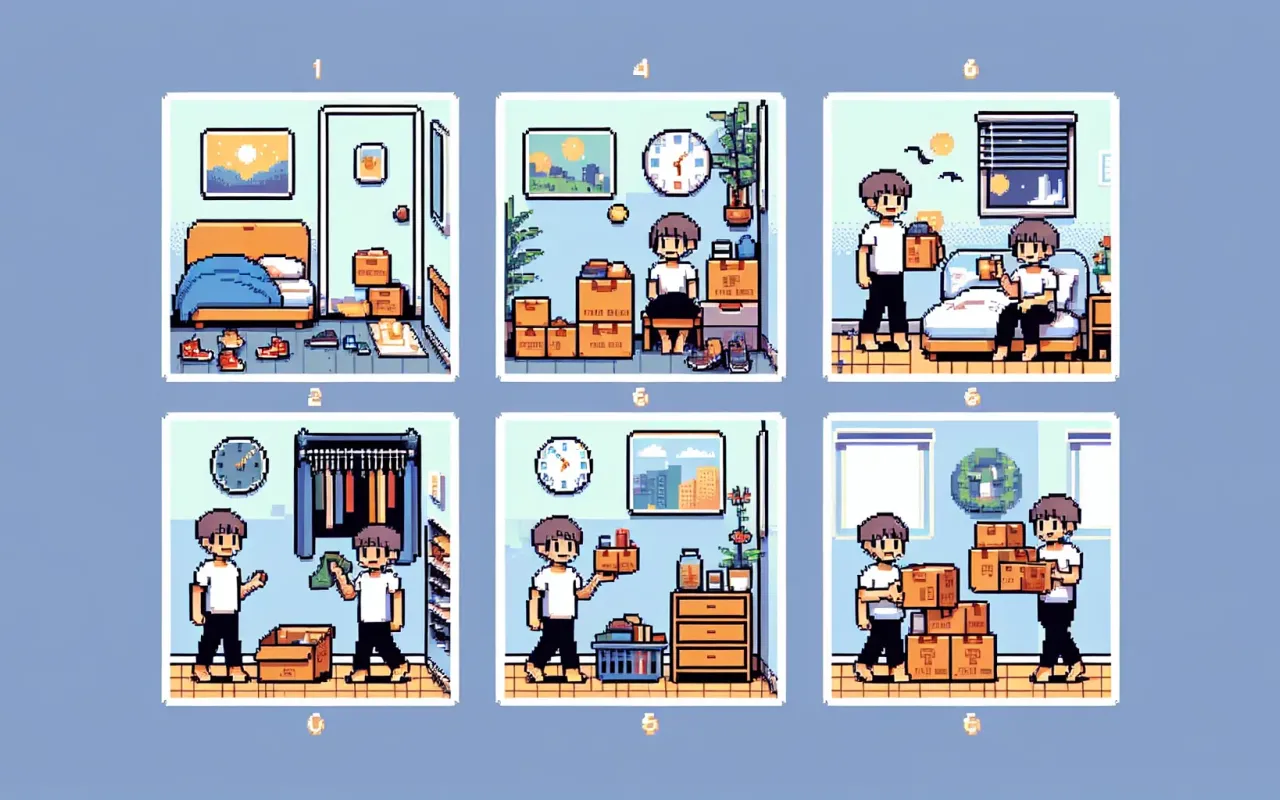
A comprehensive guide to starting a minimalist lifestyle, offering step-by-step instructions for beginners.
- August 28, 2024
AceShowbiz - Embracing minimalist living is a journey to decluttering not just your home, but your life. This guide will provide you with actionable steps on how to start a minimalist lifestyle and enjoy the benefits of simplicity, focus, and intentional living.
Understanding Minimalism
In essence, minimalism is about embracing simplicity. It involves eliminating all but the essential from your life, enabling you to focus on what truly matters. This lifestyle can lead to reduced stress, increased freedom, and a greater sense of fulfillment.
Steps to Start a Minimalist Lifestyle
1. Define Your Why
The first step in starting a minimalist lifestyle is understanding why you want to make this change. Your motivation might be to reduce stress, save money, or simply live a more purposeful life. Understanding your reasons will help you stay committed to the process.
2. Assess Your Current Situation
Take a close look at your current lifestyle. Identify areas where clutter and unnecessary items may be causing stress or taking up space. This initial assessment will help you understand the scope of change required.
3. Start Small
Don’t overhaul your life overnight. Begin with one space, such as a kitchen drawer or your wardrobe. Declutter, keep only what you need, and appreciate the difference it makes.
4. Declutter Room by Room
Implement minimalist principles in each room. For example, in the living room, remove items that are rarely used or don’t add value to your life. In the bedroom, focus on creating a calm, clutter-free environment conducive to sleep.
5. Simplify Your Wardrobe
Consider adopting a capsule wardrobe. Keep only clothing that you love and that fits well, making your daily dressing routine simpler and more enjoyable.
6. Limit Digital Clutter
Minimalism also applies to your digital life. Clean out old emails, organize files, and uninstall apps that you don’t use. This not only frees up space but also reduces mental clutter.
7. Set Boundaries
To maintain a minimalist lifestyle, it’s crucial to set boundaries for new purchases. Implement a “one in, one out†rule where you only buy something new if you can get rid of a similar item. This helps prevent the re-accumulation of clutter.
8. Focus on Quality over Quantity
Choose quality items that are built to last over cheap, disposable goods. This approach often leads to less waste and more sustainable living.
9. Embrace Intentional Living
Minimalism is not just about material possessions; it’s also about how you spend your time. Be intentional with your commitments and activities. Focus on what truly matters and brings you joy.
Common Challenges and How to Overcome Them
Letting Go of Sentimental Items
It can be challenging to part with items that hold sentimental value. One strategy is to take photos of these items before letting them go. This way, you can preserve the memory without keeping the physical object.
Dealing with Resistance
Family and friends may not understand your minimalist journey. It’s important to communicate your reasons clearly and seek their support. Show them the benefits you are experiencing, which might encourage them to join you.
Initial Overwhelm
The process of decluttering can initially feel overwhelming. Break down tasks into manageable chunks, and take it one step at a time. Celebrate small victories along the way to stay motivated.
Benefits of a Minimalist Lifestyle
1. Reduced Stress
Clutter can be a significant source of stress. By eliminating unnecessary items, you create a calm and organized environment, which can have a positive impact on your mental health.
2. Financial Freedom
Minimalism often leads to more mindful spending. By buying less, you can save money and invest it in experiences or items that truly add value to your life.
3. Increased Focus
With fewer distractions in your environment, you can concentrate better on tasks that matter, leading to improved productivity and satisfaction.
4. Enhanced Quality of Life
Living with intention and focusing on what truly matters can lead to a more fulfilling and purposeful life. You’ll have more time and energy for relationships, hobbies, and personal growth.
Conclusion
Starting a minimalist lifestyle can be a transformative journey. By taking small, intentional steps and addressing the core areas of your life, you can create a simpler, more focused, and fulfilling lifestyle. Remember, minimalism is not about deprivation; it’s about making room for what truly matters. Begin your journey today and experience the profound benefits of minimalist living.