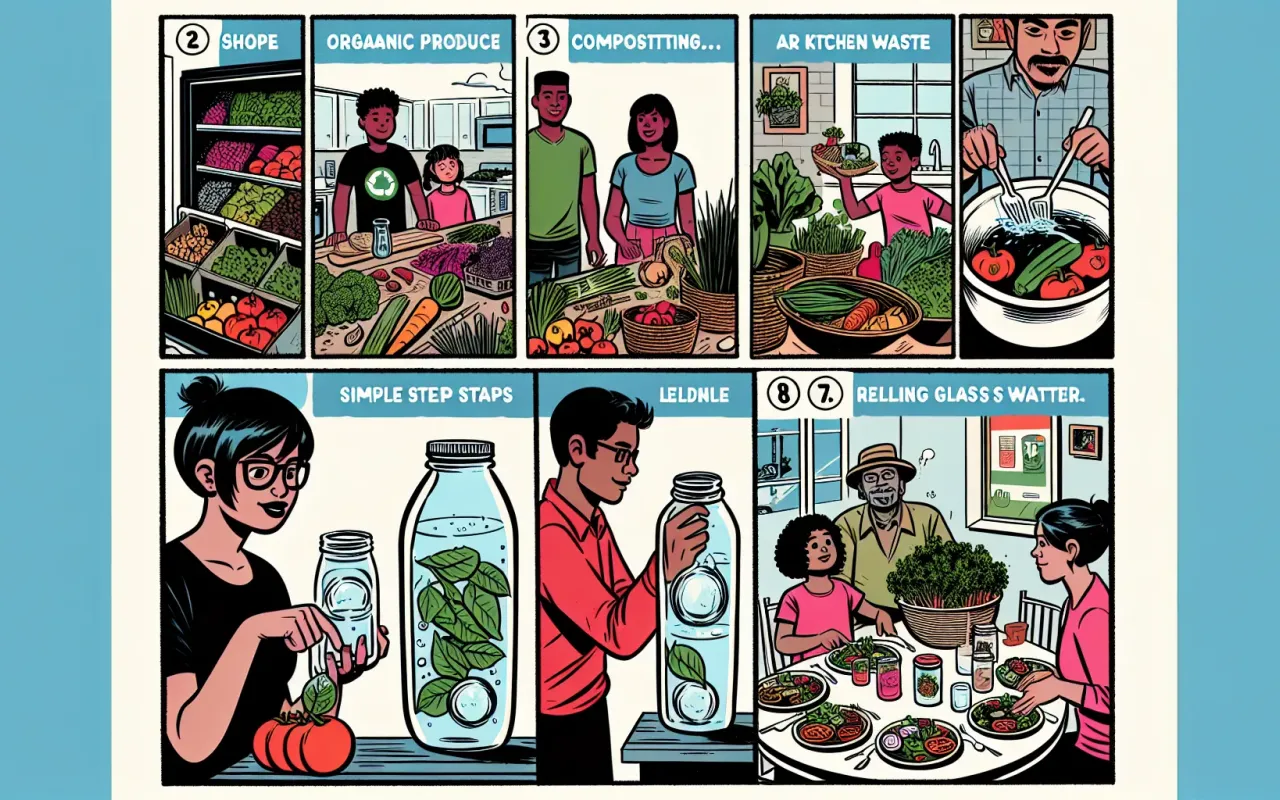
Learn how sustainable meal planning for families can lead to a greener kitchen with these simple, practical steps. Reduce waste, save money, and eat healthier!
- August 28, 2024
Sustainable meal planning for families is a fantastic way to reduce environmental impact, save money, and improve health. As families seek to balance busy schedules with healthy eating, the need for a greener kitchen becomes more important than ever. This article offers practical steps to help families create a sustainable meal plan that works for them.
Understanding Sustainable Meal Planning
Sustainable meal planning is about making conscious choices that reduce food waste, lower carbon footprints, and promote overall wellness. This aligns with the broader goal of sustainable living, which prioritizes the use of resources in ways that do not deplete them for future generations.
Benefits of Sustainable Meal Planning for Families
Environmental Impact
Reducing food waste and choosing environmentally friendly foods can significantly lessen your family's carbon footprint. Opting for seasonal and locally-sourced produce not only supports local farmers but also reduces the energy used in transporting food long distances.
Health and Wellness
Sustainable meal planning typically involves more fresh fruits, vegetables, and whole grains, which are nutrient-dense and beneficial for long-term health. Minimizing processed foods and focusing on plant-based meals can reduce the risk of chronic diseases.
Cost Savings
By planning meals in advance and buying only what is needed, families can cut down on unnecessary expenses. Using leftovers creatively can also stretch the food budget further.
Steps to Implement Sustainable Meal Planning
Evaluate Current Practices
Start by assessing your family's current eating habits. Take note of how much food is thrown away each week and identify the types of food that are wasted most often.
Plan Meals in Advance
Planning meals for the week helps minimize impulsive purchases and ensures that ingredients are used efficiently. Consider theme nights like Meatless Mondays to introduce variety and sustainability.
Create a Grocery List
Write a detailed grocery list based on your meal plan. Stick to this list to avoid buying items that may go to waste and opt for bulk items when possible to reduce packaging waste.
Choose Seasonal and Local Produce
Seasonal foods are often fresher, cheaper, and more environmentally friendly. Local farmers' markets are great places to find seasonal produce and support the community.
Reduce Meat Consumption
Incorporate more plant-based meals into your diet. Reducing meat consumption, even slightly, can have a significant positive impact on the environment.
Utilize Leftovers
Get creative with leftovers to avoid waste. Leftovers can often be transformed into new meals, such as soups, stews, or salads.
Compost Food Scraps
Set up a compost bin for food scraps that can't be used. Composting is an excellent way to recycle nutrient-rich organic material back into the soil.
Store Food Properly
Proper storage can extend the life of your groceries. Invest in reusable containers and learn the best ways to store different types of produce to keep them fresh longer.
Family Involvement in Sustainable Meal Planning
Engage Children
Involving children in meal planning and preparation can be both educational and fun. Teach them about the importance of reducing waste and making healthy choices. Allow them to select fruits and vegetables during shopping trips, which can encourage them to try new foods.
Collaborative Efforts
Work together as a family to create meal plans and shopping lists. Sharing responsibilities ensures that everyone understands the importance of sustainability and contributes to the collective effort.
Overcoming Common Challenges
Time Constraints
Meal planning can seem time-consuming, but it can actually save time in the long run. Batch cooking and meal prep can be done on weekends to ease the burden during busy weekdays.
Dietary Preferences
Balancing different dietary preferences within a family can be challenging. Aim to create versatile meals that can be easily adjusted to accommodate various tastes and preferences.
Getting Started with Sustainable Meal Planning
Learn and Adapt
Start small and gradually incorporate more sustainable practices into your meal planning. It's okay to experiment and adjust as you learn what works best for your family.
Use Technology
There are many apps and online resources that offer meal planning assistance, recipe ideas, and tips for maintaining a sustainable kitchen. Utilize these tools to simplify the process.
Conclusion
Sustainable meal planning for families is a practical approach to achieving a greener kitchen. By reducing waste, prioritizing healthy and local foods, and involving all family members, you can make a positive impact on both your household and the environment. Start with small changes and gradually build a routine that works for you. Remember, every step towards sustainability counts and contributes to a healthier planet for future generations.