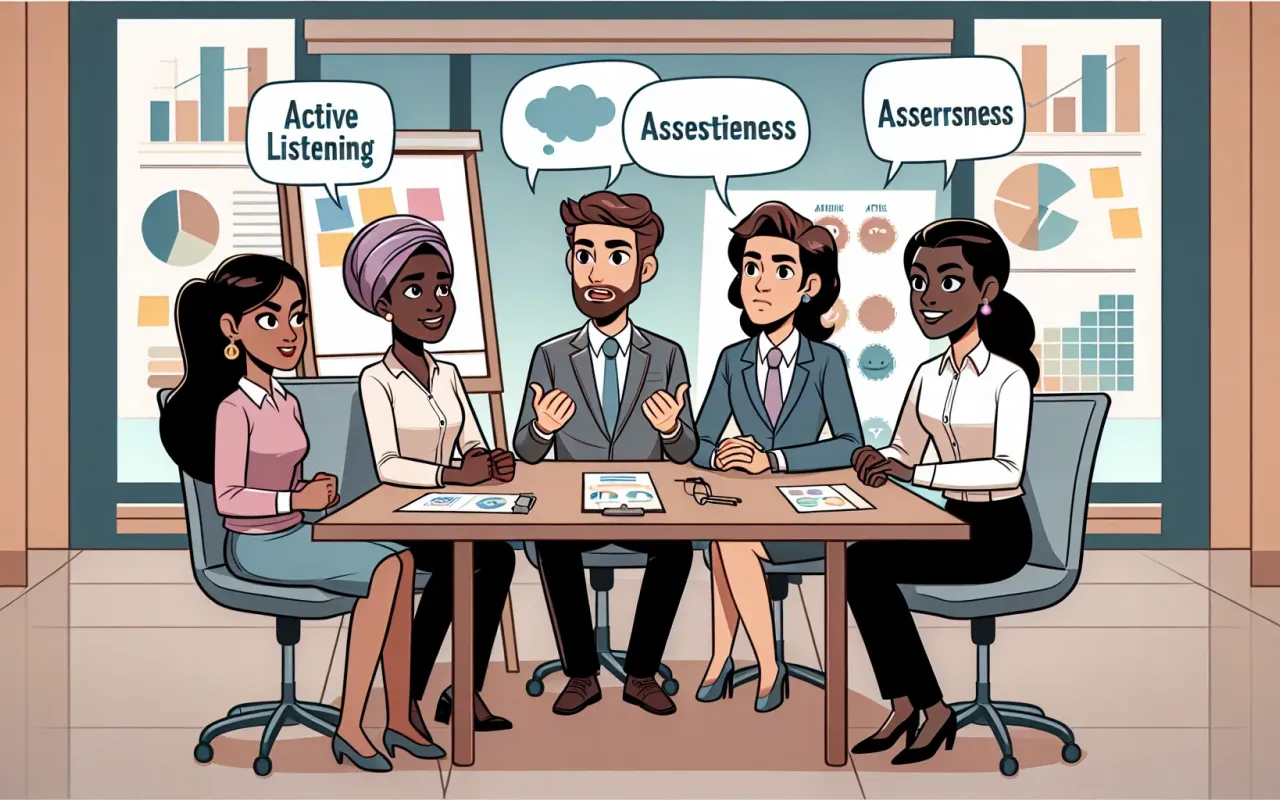
Learn essential tips for building assertiveness in team communication. Achieve success through effective communication strategies that enhance team collaboration and performance.
- August 27, 2024
Effective communication is crucial for the success of any team. Assertiveness in team communication can significantly improve collaboration and performance, leading to a more harmonious and productive work environment. In this article, we will explore essential tips for building assertiveness in team communication, providing solutions that address common challenges and pain points.
Understanding Assertiveness
Assertiveness is the ability to communicate your needs, thoughts, and feelings in a clear, direct, and respectful manner. Being assertive allows you to stand up for your rights while respecting the rights of others, fostering an environment of mutual respect. In team settings, assertiveness helps to prevent misunderstandings, reduce conflicts, and improve overall team dynamics.
Why Is Assertiveness Important in Team Communication?
In team communication, assertiveness plays a pivotal role in ensuring that all team members' voices are heard and respected. It helps to:
- Enhance mutual respect and understanding.
- Reduce conflicts and misunderstandings.
- Improve decision-making processes.
- Foster a positive and collaborative team culture.
- Boost team morale and productivity.
Common Challenges in Building Assertiveness
Despite its importance, many individuals struggle with being assertive in team settings. Common challenges include:
- Lack of confidence: Fear of judgment or rejection can prevent individuals from expressing their thoughts assertively.
- Misunderstanding assertiveness: Confusing assertiveness with aggressiveness can lead to communication that is either too passive or too forceful.
- Cultural differences: Different cultural backgrounds can influence communication styles, making it difficult to find a common ground.
Essential Tips for Building Assertiveness in Team Communication
1. Develop Self-Awareness
Understanding your own communication style is the first step towards becoming more assertive. Reflect on your typical responses in team interactions and identify areas for improvement. Self-awareness helps you recognize when you are being too passive or too aggressive, allowing you to make necessary adjustments.
2. Practice Active Listening
Active listening involves fully focusing on the speaker, understanding their message, responding thoughtfully, and remembering what was said. This practice shows respect for others' viewpoints and can create a more open and trusting communication environment.
3. Use “I†Statements
Communicate your thoughts and feelings using “I†statements rather than “you†statements, which can sound accusatory. For example, say “I feel concerned when deadlines are missed†instead of “You always miss deadlines.†This approach helps to express your needs without blaming others, fostering a more constructive dialogue.
4. Set Clear Boundaries
Define and communicate your personal and professional boundaries clearly. Respecting personal limits is essential for maintaining a healthy team dynamic. Let your team members know what is acceptable and what is not, and encourage them to do the same.
5. Use Assertive Body Language
Your body language can reinforce your verbal communication. Maintain eye contact, stand or sit up straight, and use a calm and steady tone of voice. Confident body language helps convey assertiveness and can help others take your message seriously.
6. Practice Assertiveness Techniques
Role-playing, rehearsing assertive responses, and using structured techniques like the DESC method (Describe, Express, Specify, Consequence) can help you build assertiveness. Practice with a trusted colleague or mentor to get comfortable with assertive communication in various scenarios.
7. Seek Feedback and Continuous Improvement
Regularly seek feedback from your team members and colleagues about your communication style. Use their input to make continuous improvements. Self-reflection and a commitment to personal growth are key to becoming more assertive over time.
Conclusion
Building assertiveness in team communication is essential for creating a positive and productive work environment. By understanding assertiveness, recognizing its importance, and implementing the tips discussed in this article, you can enhance your communication skills and contribute to a more collaborative and respectful team dynamic. Remember, assertiveness is a skill that can be developed with practice and dedication. Start practicing today and experience the transformative impact it can have on your team's success.