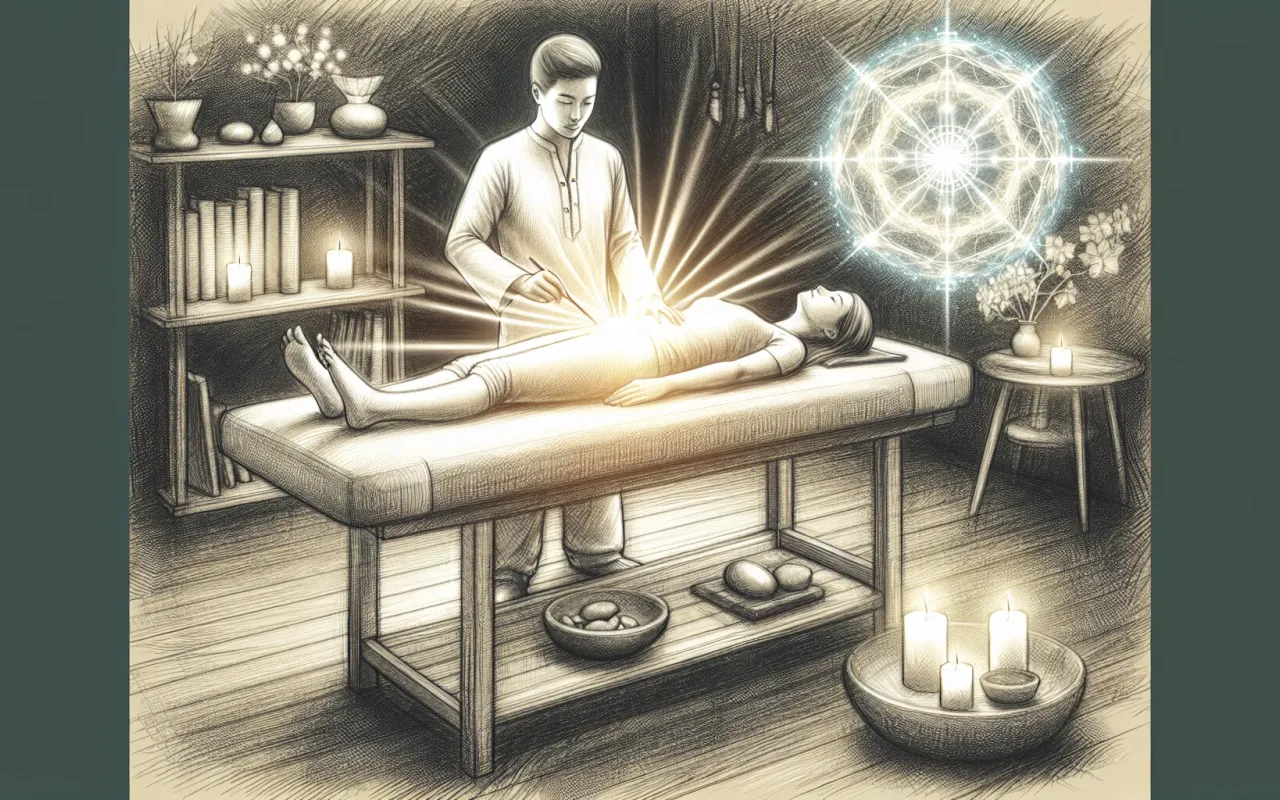
Explore effective Reiki therapy techniques to enhance your healing practice. Learn various methods and their benefits to provide holistic healing to your clients.
- August 27, 2024
Reiki therapy, an ancient Japanese healing technique, has garnered significant attention for its ability to promote physical, emotional, and spiritual well-being. This article delves into various Reiki therapy techniques that can enhance your healing practice and benefit your clients. From traditional hand positions to advanced methods, discover how incorporating these techniques can lead to holistic transformation.
Understanding Reiki Therapy
Reiki, derived from the Japanese words "Rei" (universal) and "Ki" (life energy), involves the transfer of universal energy through the practitioner's hands to the recipient. The goal of Reiki is to balance the body's energy, facilitating healing and promoting relaxation. Understanding the foundational principles of Reiki is crucial before diving into specific techniques.
Traditional Reiki Techniques
Usui Hand Positions
The Usui hand positions are the cornerstone of traditional Reiki therapy. Developed by Dr. Mikao Usui, these positions focus on key areas of the body to channel healing energy effectively.
- Crown Hand Position: Place your hands gently over the crown of the head to balance the mind and promote spiritual connection.
- Third Eye Hand Position: Position your hands over the forehead to enhance intuition and mental clarity.
- Throat Hand Position: Align your hands at the throat to encourage effective communication and emotional release.
- Heart Hand Position: Place your hands on the chest to foster love, compassion, and heart-centered healing.
- Solar Plexus Hand Position: Position your hands on the upper abdomen to boost confidence and personal power.
- Sacral Hand Position: Align your hands over the lower abdomen to enhance creativity and reproductive health.
- Root Hand Position: Place your hands on the base of the spine to ground the body and promote stability.
Distance Reiki
Distance Reiki allows practitioners to send healing energy to individuals who are not physically present. This technique transcends space and time, enabling remote healing sessions. Practitioners use symbols and visualizations to connect with the recipient's energy field and facilitate healing.
Advanced Reiki Techniques
Byosen Scanning
Byosen scanning involves the use of a practitioner's hands to detect energetic imbalances in the body. By moving their hands a few inches above the client's body, practitioners can sense areas of heat, cold, or tingling, indicating potential blockages. Addressing these areas can enhance the effectiveness of the healing session.
Reiji-Ho
Reiji-Ho is an intuitive Reiki technique where practitioners set an intention and allow their hands to be guided to the areas needing healing. This method combines intuition with traditional hand positions, enhancing the practitioner's ability to address specific client needs.
Kenyoku (Dry Bathing)
Kenyoku is a self-cleansing technique used by practitioners to purify their own energy fields. By performing specific hand movements, practitioners can release negative energy and maintain their energetic clarity, ensuring they provide the highest quality healing to their clients.
Integrating Reiki with Other Healing Modalities
One of the unique aspects of Reiki is its versatility and ability to complement various other healing modalities. Integrating Reiki with practices such as yoga, meditation, and aromatherapy can create a comprehensive healing experience. For instance:
Reiki and Yoga
Combining Reiki with yoga can deepen relaxation and enhance the practitioner's connection to their body. Reiki sessions before or after yoga classes can help balance energy and support physical and emotional release during poses.
Reiki and Meditation
Incorporating Reiki into meditation practices can amplify the meditative state and promote deeper healing. Reiki practitioners often meditate before a session to center themselves and set healing intentions.
Reiki and Aromatherapy
Aromatherapy, the use of essential oils to promote well-being, can be effectively combined with Reiki. Using essential oils such as lavender or frankincense during Reiki sessions can enhance relaxation and support emotional healing.
Benefits of Mastering Various Reiki Techniques
Mastering multiple Reiki therapy techniques offers several benefits for both practitioners and clients:
- Customized Healing: Ability to tailor sessions to meet the specific needs of each client.
- Enhanced Skill Set: Broadening expertise can attract a wider client base.
- Professional Growth: Continued learning and practice foster personal and professional development.
- Holistic Well-Being: Providing comprehensive healing that addresses physical, emotional, and spiritual aspects.
Conclusion
Integrating a variety of Reiki therapy techniques into your healing practice can profoundly enhance your ability to provide transformative experiences for your clients. From traditional Usui hand positions to advanced methods like Byosen scanning and Reiji-Ho, these techniques offer diverse ways to facilitate healing. By continually honing your skills and incorporating complementary modalities, you can elevate your practice to new heights, promoting holistic well-being for all who seek your services.