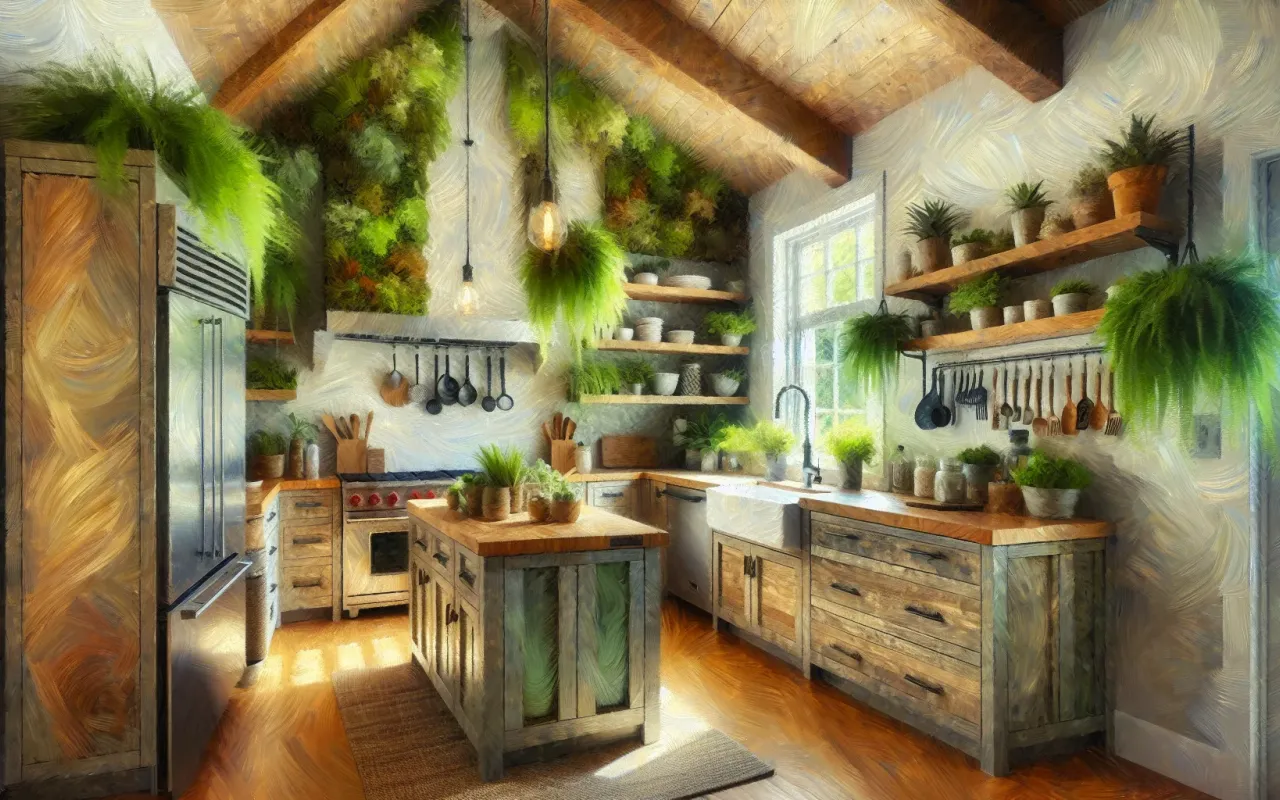
Discover 10 eco-friendly kitchen cabinet materials to create a sustainable home. Learn about materials that are good for both your kitchen and the planet.
- August 27, 2024
AceShowbiz - In the quest to build a sustainable home, one often overlooked area is the kitchen cabinetry. Traditional kitchen cabinets can be made from materials that are harmful to the environment, but there are many eco-friendly alternatives available. This article explores ten eco-friendly kitchen cabinet materials that not only look great but also contribute to the health of our planet.
Bamboo
Bamboo is a rapidly renewable resource, making it an excellent choice for eco-friendly kitchen cabinets. It grows much faster than traditional hardwoods and requires less water and pesticides. Additionally, bamboo's tensile strength rivals that of steel, ensuring durability and longevity in your kitchen.
Reclaimed Wood
Using reclaimed wood for your kitchen cabinets is an outstanding way to incorporate eco-friendly materials into your home. Reclaimed wood is sourced from old buildings, barns, and other structures, reducing the demand for new lumber. This not only preserves forests but also gives your kitchen a unique, rustic charm.
Recycled Metal
Recycled metal cabinets can lend a modern, industrial look to your kitchen. Made from reclaimed steel or aluminum, these cabinets are durable and recyclable. Opting for recycled metal decreases the mining of new materials, thereby conserving natural resources and reducing environmental impact.
Salvaged Wood
Salvaged wood is another excellent eco-friendly option. Unlike reclaimed wood, salvaged wood typically comes from fallen trees due to storms or from scrap wood in manufacturing. Using salvaged wood for your cabinets minimizes waste and gives new life to materials that would otherwise be discarded.
Plant-Based Laminates
Conventional laminates often contain harmful chemicals like formaldehyde. Plant-based laminates are a safer, eco-friendly alternative. Made from materials like soy, corn, or natural fibers, these laminates are sustainable and free from toxic substances, ensuring a healthier kitchen environment.
Forest Stewardship Council (FSC) Certified Wood
When choosing wood for your kitchen cabinets, look for FSC certification. This certification ensures that the wood comes from responsibly managed forests that provide environmental, social, and economic benefits. FSC-certified wood supports sustainable forest management practices.
Wheatboard
Wheatboard is an innovative, eco-friendly cabinet material made from discarded wheat straw. It is a great alternative to particleboard, which typically contains formaldehyde. Wheatboard is strong, lightweight, and doesn't off-gas harmful chemicals, making it both a sustainable and health-conscious choice.
Formaldehyde-Free MDF
Medium-density fiberboard (MDF) is commonly used in kitchen cabinets, but it often contains formaldehyde, a potentially harmful chemical. Opting for formaldehyde-free MDF made from recycled wood fibers can be a safer and more environmentally friendly choice.
Cork
Cork is not just for wine stoppers. This renewable material makes for excellent eco-friendly kitchen cabinets. Harvested from the bark of cork oak trees, cork is renewable, biodegradable, and has natural anti-microbial properties. It's also lightweight and provides good thermal insulation.
Hemp Board
Hemp board is an emerging eco-friendly material made from the fibrous stalks of hemp plants. It's incredibly strong, flexible, and fully biodegradable. Hemp's low environmental impact and rapid growth rate make it a promising material for sustainable kitchen cabinetry.
Conclusion
Choosing eco-friendly kitchen cabinet materials is a big step towards living a more sustainable lifestyle. From rapidly renewable resources like bamboo to reclaimed and recycled materials, there are numerous options to create a beautiful and environmentally responsible kitchen. Making these choices not only benefits the planet but also enhances the health and well-being of your living space.