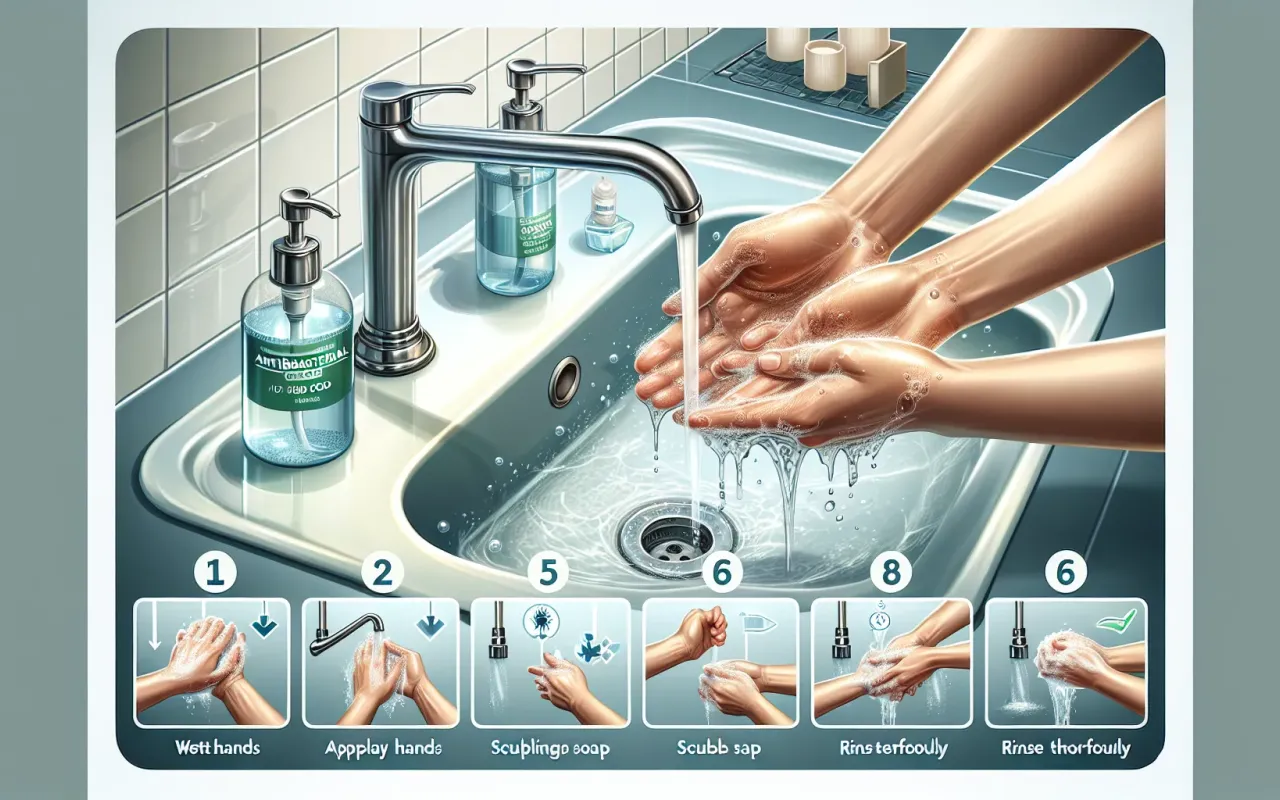
Learn effective handwashing techniques to prevent germs and maintain a healthier lifestyle. This comprehensive guide covers best practices, important tips, and FAQs.
- August 27, 2024
AceShowbiz - Handwashing is a simple, yet incredibly effective way to prevent the spread of germs and maintain a healthier lifestyle. However, not all handwashing techniques are equally effective. In this guide, we will discuss the most effective handwashing techniques to prevent germs, providing you with practical tips and expert advice. Our goal is to equip you with the knowledge to keep yourself and your loved ones safe from harmful microorganisms.
The Importance of Handwashing
Handwashing is crucial because our hands frequently come into contact with various surfaces, making them a primary vehicle for transmitting pathogens. Germs can easily transfer from our hands to our mouths, noses, and eyes, leading to infections. Effective handwashing techniques help minimize this risk by thoroughly removing dirt, bacteria, and viruses.
When to Wash Your Hands
Knowing when to wash your hands is just as important as knowing how. Here are common situations that necessitate handwashing:
- Before and after preparing food
- Before eating
- After using the restroom
- After coughing, sneezing, or blowing your nose
- Before and after caring for someone who is sick
- After touching garbage or waste
- After handling pets or animal waste
Effective Handwashing Techniques
Step-by-Step Guide
Follow these steps to ensure you are using effective handwashing techniques:
- Wet your hands: Use clean, running water (warm or cold) to wet your hands. Avoid using stagnant or still water.
- Apply soap: Use enough soap to cover all surfaces of your hands, including the backs, between the fingers, and under the nails.
- Scrub your hands: Scrub your hands thoroughly for at least 20 seconds. Pay special attention to often-missed areas, such as thumbs, fingertips, and the creases of your palms.
- Rinse your hands: Rinse your hands well under clean, running water to remove all soap and debris.
- Dry your hands: Use a clean towel or air dryer to dry your hands completely. Avoid using a shared or dirty towel.
Tips for Effective Handwashing
To maximize the benefits of handwashing, consider these additional tips:
- Use soap that lathers well and does not irritate your skin.
- Avoid touching faucet handles directly after washing; use a paper towel to turn off the tap.
- If soap and water are not available, use a hand sanitizer with at least 60% alcohol content.
- Moisturize your hands regularly to prevent dryness and cracking.
The Role of Hand Sanitizers
Hand sanitizers are a convenient alternative when soap and water are not available. However, it is important to understand that they do not eliminate all types of germs and may not be as effective on visibly dirty or greasy hands. Here’s how to use hand sanitizers effectively:
- Apply enough sanitizer to cover all surfaces of your hands.
- Rub your hands together until they feel dry, which should take around 20 seconds.
- Ensure you cover all areas, including between fingers and under nails.
Common Handwashing Mistakes
Avoid these common mistakes to ensure your handwashing practices are effective:
- Rushing the process: Ensure you spend at least 20 seconds scrubbing your hands.
- Not using enough soap: Insufficient soap will not effectively remove germs.
- Skipping areas: Make sure to scrub all surfaces, including often-missed spots.
- Improper drying: Always dry your hands completely to prevent germs from thriving on moist skin.
FAQs on Handwashing
How long should I wash my hands?
Scrub your hands for at least 20 seconds. Singing the "Happy Birthday" song twice can help you keep track of the time.
Is it better to use warm or cold water?
You can use either warm or cold water, as long as it is clean and running. The temperature does not significantly impact the effectiveness of your handwashing.
What should I do if I don’t have soap and water?
If soap and water are not available, use a hand sanitizer with at least 60% alcohol. However, soap and water are preferable when hands are visibly dirty or greasy.
Conclusion
Practicing effective handwashing techniques to prevent germs is one of the simplest and most impactful ways to protect yourself and others from illness. By understanding when and how to wash your hands properly, you can significantly reduce the risk of infections and contribute to a healthier community. Remember to teach these techniques to your family and friends, reinforcing good hygiene habits and promoting a culture of health and safety.