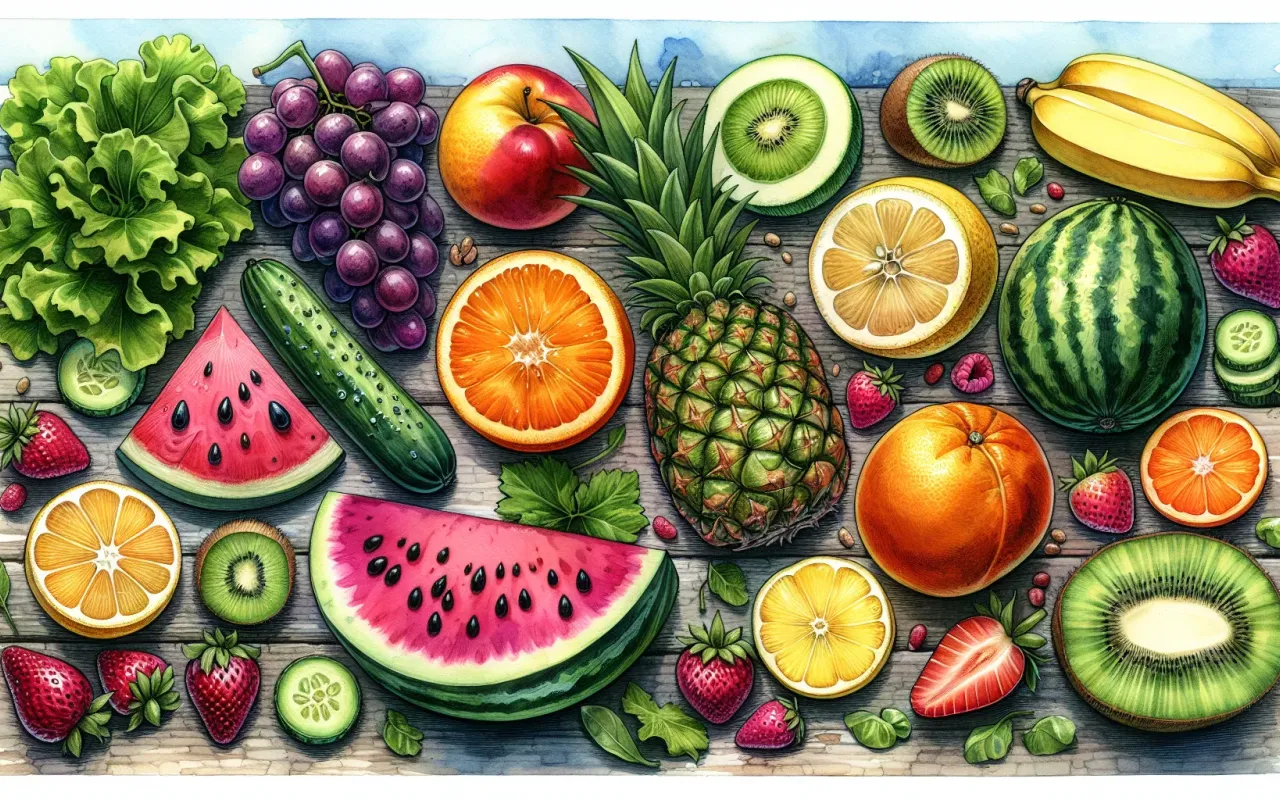
Discover 10 foods that help with hydration and keep you refreshed and healthy naturally. Learn how these hydrating foods can benefit your overall wellness.
- August 27, 2024
Staying hydrated is crucial for your overall health and well-being. While drinking water is the most direct way to maintain hydration, consuming foods with high water content can also significantly contribute to your body’s hydration needs. In this article, we delve into ten foods that help with hydration and provide a natural boost to your fluid intake.
1. Cucumbers
Cucumbers are one of the most hydrating vegetables you can eat, comprising about 96% water. They are not only refreshing but also low in calories, making them a perfect addition to your diet. Cucumbers can be eaten as a snack, added to salads, or used in refreshing drinks.
2. Watermelon
Watermelon is an iconic hydrating fruit with a water content of around 92%. It's a summertime favorite that offers a sweet and juicy way to stay hydrated. Watermelon also contains essential electrolytes such as potassium, helping your body maintain fluid balance.
3. Strawberries
Strawberries are another hydrating fruit, containing about 91% water. They are packed with vitamins, antioxidants, and fiber, making them a healthy addition to your diet. Enjoy strawberries on their own, in smoothies, or mixed into a yogurt parfait for an extra hydration boost.
4. Celery
Like cucumbers, celery is made up of about 95% water. This crispy vegetable is also rich in fiber and essential nutrients like vitamin K and potassium. Celery sticks are a great snack option and can also add crunch to salads and soups.
5. Lettuce
Lettuce varieties, especially iceberg lettuce, contain a high water content, around 95%. Incorporating lettuce into your meals, such as in salads or as a wrap for other foods, can help keep you hydrated while providing essential vitamins and minerals.
6. Oranges
Oranges not only help with hydration but are also an excellent source of vitamin C. With about 86% water content, oranges are perfect for a refreshing snack. They also contain fiber, which aids digestion and promotes overall health.
7. Zucchini
Zucchini is another hydrating vegetable, comprising about 94% water. It is highly versatile and can be grilled, sautéed, or added to soups and stews. Zucchini is also a good source of vitamins A and C, as well as dietary fiber.
8. Tomatoes
With a water content of about 95%, tomatoes are an excellent food for hydration. They are rich in antioxidants—especially lycopene—and vitamins. Tomatoes can be consumed raw in salads, cooked into sauces, or blended into drinks for a nutritious hydration boost.
9. Pineapple
Pineapple contains about 86% water and is a tropical fruit full of vitamins, enzymes, and antioxidants. This sweet and tangy fruit not only aids hydration but also supports digestion due to its bromelain content. Enjoy pineapple fresh, in smoothies, or as part of your favorite dishes.
10. Bell Peppers
Bell peppers, particularly the green, red, and yellow varieties, have a high water content of around 92%. They are also rich in vitamins C and A. Adding bell peppers to your meals provides a hydrating, nutrient-dense boost that can enhance both flavor and nutrition.
Why Hydration Matters
Hydration plays a critical role in various bodily functions, including regulating body temperature, maintaining skin health, and ensuring that organs function properly. Dehydration can lead to a range of issues from minor headaches and fatigue to more severe health problems. Incorporating hydrating foods into your diet can be an effective strategy to stay hydrated, especially for those who struggle to drink enough water throughout the day.
Tips for Increasing Hydration
Here are a few tips to help you maximize hydration:
- Eat water-rich foods regularly: Incorporate foods mentioned above into your daily meals and snacks.
- Drink fluids consistently: Balance your intake of hydrating foods with regular water consumption.
- Monitor your hydration needs: Pay attention to your body's signals, especially in hot weather or during physical activities.
- Track your hydration: Use apps or set reminders to help you keep track of your fluid intake throughout the day.
Conclusion
Staying properly hydrated is essential for maintaining good health, and consuming foods with high water content can make this task more enjoyable and varied. By integrating these ten hydrating foods into your diet, you can help ensure that your body stays refreshed, nourished, and healthy naturally. Remember, while hydrating foods are beneficial, they should complement—not replace—regular water intake for optimal hydration.