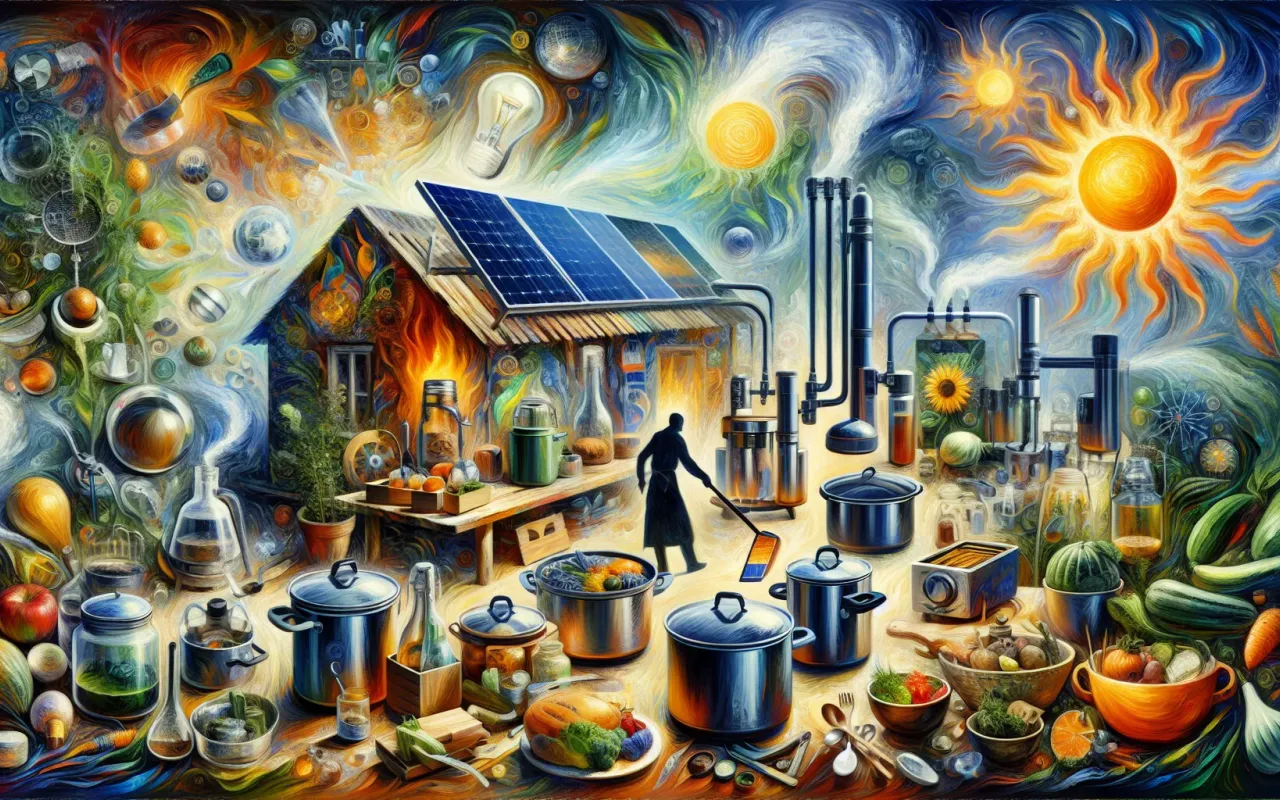
Discover 10 energy-efficient cooking techniques that save you money and contribute to sustainable culinary practices. Learn how to cook smarter and greener today!
- August 27, 2024
In today's world, energy efficiency is more crucial than ever, stretching across various sectors including the culinary arts. Whether you're a home cook or a professional chef, understanding and implementing energy-efficient cooking techniques can lead to significant savings and environmental benefits. This article delves into 10 practical and effective methods you can adopt to make your cooking more sustainable.
1. Utilize Pressure Cookers
Pressure cookers are an excellent investment for anyone looking to save energy. They cook food up to 70% faster than conventional methods, reducing the time and energy required. By cooking food under high pressure, the boiling point of water increases, speeding up the cooking process significantly.
2. Opt for Induction Cooking
Induction cooktops are highly energy-efficient as they directly heat the cookware using electromagnetic energy. Unlike gas or electric stoves, induction cooktops lose less heat, making them up to 50% more efficient. Additionally, they offer precise temperature control, which helps in reducing energy consumption.
3. Harness the Power of Steam
Steaming is a gentle and energy-efficient cooking technique. It requires minimal energy compared to boiling or baking and retains more nutrients in the food. You can steam vegetables, fish, and even some grains effectively, making it a versatile cooking method.
4. Use Microwave Ovens
Microwaves can be a surprisingly energy-efficient appliance for cooking smaller portions or reheating food. They use less energy than conventional ovens because they cook food faster and directly rather than heating the air around the food.
5. Cook with Smaller Appliances
Smaller cooking appliances like toaster ovens, electric griddles, and slow cookers consume less energy compared to large ovens and stovetops. They are ideal for cooking small to medium meals and offer a variety of cooking methods like baking, grilling, and slow cooking.
6. Adopt Batch Cooking
Batch cooking involves preparing multiple servings of a meal at once and storing them for future use. This technique minimizes the energy used for food preparation and cooking. You can reheat the food quickly, thus saving time and energy over multiple cooking sessions.
7. Insulate Cooking Pots
Using insulated cooking pots or thermal cookers can help retain heat, reducing the need for continuous energy input. Once the food reaches the desired temperature, it continues to cook in the insulated pot without additional energy.
8. Practice One-Pot Cooking
One-pot meals are an efficient way to cook multiple ingredients together, reducing the energy required to cook separate dishes. Meals like casseroles, stews, and skillet dinners combine ingredients into a single cooking vessel, optimizing energy use.
9. Leverage Residual Heat
Taking advantage of residual heat can contribute to energy savings. For instance, you can turn off the oven or stove a few minutes before the cooking time is up, and the residual heat will finish the job. This is particularly effective with gas and electric cooktops, as well as conventional ovens.
10. Cover Pots and Pans
Covering pots and pans while cooking can significantly reduce cooking time and energy consumption. Lids trap steam and heat, cooking the food faster and more evenly. This technique is especially useful for boiling, simmering, and braising.
Conclusion
By integrating these ten energy-efficient cooking techniques into your daily culinary practices, you'll not only save on your energy bills but also contribute to a more sustainable future. Each method offers unique benefits and can be easily incorporated into various cooking styles. Start making mindful choices today to cook greener and smarter!