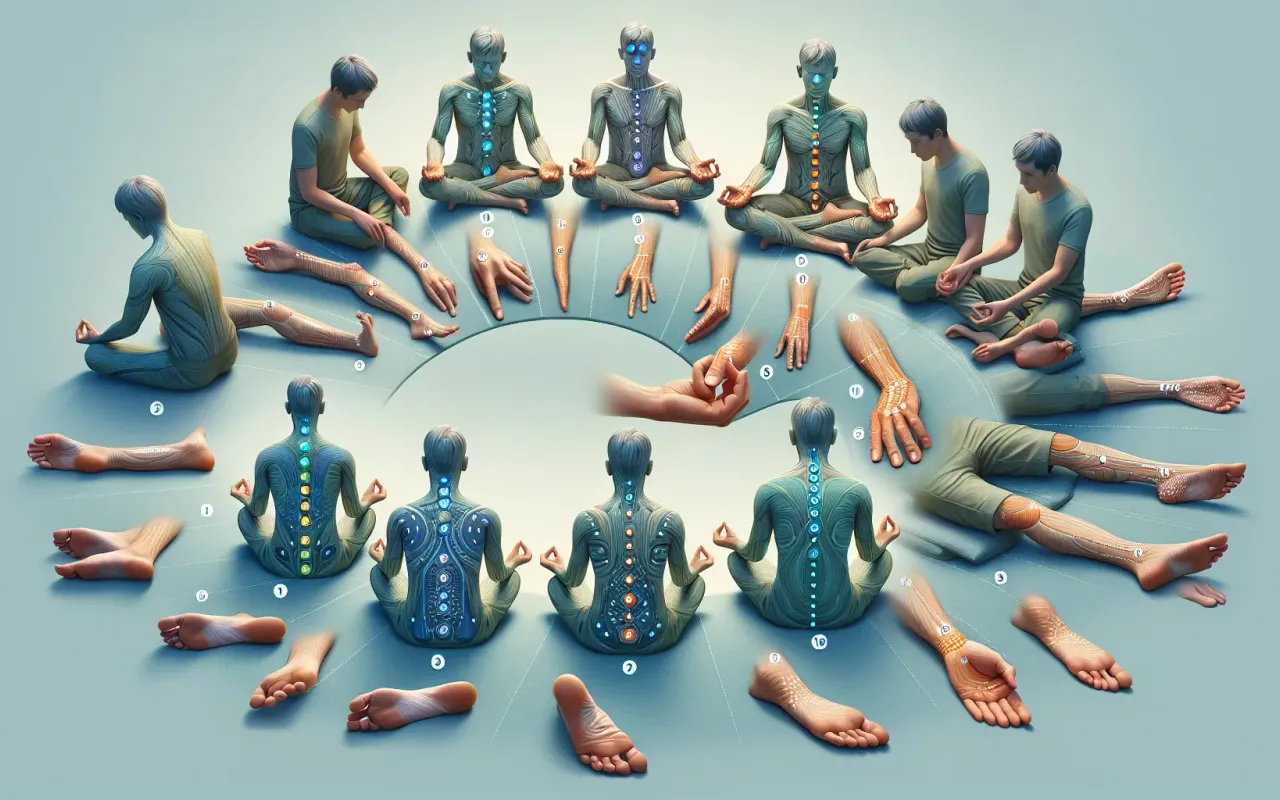
Explore effective self-reflexology techniques for anxiety relief. Learn how to manage stress and discover relaxation at your fingertips with these expert tips.
- August 26, 2024
AceShowbiz - Anxiety is a prevalent issue in today's fast-paced world, affecting millions globally. While professional therapies and medications are available, there’s a growing interest in self-help techniques. Self-reflexology, an ancient practice rooted in Traditional Chinese Medicine, offers an effective and convenient way to alleviate anxiety. This article presents ten self-reflexology techniques aimed at providing relaxation and reducing anxiety.
Understanding Self-Reflexology
Reflexology involves applying pressure to specific points on the feet, hands, and ears. These reflex points correspond to different organs and systems in the body. By stimulating these points, reflexology aims to promote overall wellness and balance. Self-reflexology empowers individuals to perform these techniques on themselves, making it a practical tool for managing anxiety.
Benefits of Self-Reflexology for Anxiety Relief
Reflexology can offer several benefits that contribute to anxiety relief:
- Reduces stress and induces relaxation
- Improves sleep quality
- Enhances mood and emotional well-being
- Boosts overall energy levels
Let’s explore specific self-reflexology techniques that can help you manage anxiety effectively.
Top 10 Self-Reflexology Techniques for Anxiety Relief
1. Solar Plexus Point
The solar plexus point is located in the center of the foot, just below the ball. This point is associated with the body’s stress response. Applying gentle pressure to this point can help soothe the nerves and reduce anxiety.
2. Heart Reflex Point
Located on the left foot, just below the ball, the heart reflex point is instrumental in managing emotional health. Spend a few minutes applying pressure to this spot to help manage anxiety symptoms.
3. Diaphragm Breathing Technique
Combining reflexology with deep breathing can be extremely effective. Focus on the diaphragm reflex point found at the center of the foot and practice deep breathing exercises to amplify the calming effect.
4. Thumb Press on Palms
Use your thumb to apply gentle pressure to the center of your palms. This technique stimulates points that are connected to calming the mind and alleviating stress, perfect for quick anxiety relief.
5. Ear Lobe Massage
The ear lobes contain several reflex points that can help reduce stress. Gently pull and massage your ear lobes in circular motions for a few minutes to experience relief.
6. Wrist Reflex Point
There's a specific point on the inner side of the wrist that can help manage anxiety. Gently press and massage this spot using your thumb to induce a sense of calm.
7. Toe Squeeze
Squeezing the base of each toe can stimulate reflex points related to tension release. This simple yet effective technique can help reduce anxiety symptoms.
8. Acupressure on Forehead
Apply gentle pressure on the midpoint between your eyebrows. This area, known as the “third eye,†is believed to help calm the mind and reduce stress.
9. Foot Massage with Focus on Arches
Massaging the arches of your feet can stimulate several reflex points that aid in relaxation. Use firm but gentle strokes to massage the entire arch area for maximum benefit.
10. Hand Reflexology for Relaxation
Focus on the points on the hands that correlate with the head, heart, and solar plexus. These points are found on the palms and fingers. Regularly massaging these areas can promote overall relaxation and stress relief.
Incorporating Self-Reflexology into Your Routine
To maximize the benefits of self-reflexology, consider integrating these techniques into your daily routine. Here are some tips:
- Set aside specific times each day for self-reflexology sessions.
- Combine self-reflexology with other relaxation techniques like meditation or deep breathing.
- Maintain a comfortable environment to enhance the efficacy of your sessions.
Conclusion
Self-reflexology techniques for anxiety relief are practical, easy to perform, and can be done almost anywhere. These techniques can provide immediate relief from stress and anxiety, contributing to overall well-being. By incorporating them into your daily routine, you can take a proactive approach to managing anxiety and enhancing your quality of life. Remember, while self-reflexology can be highly beneficial, it should complement, not replace, professional medical advice and treatment for anxiety.