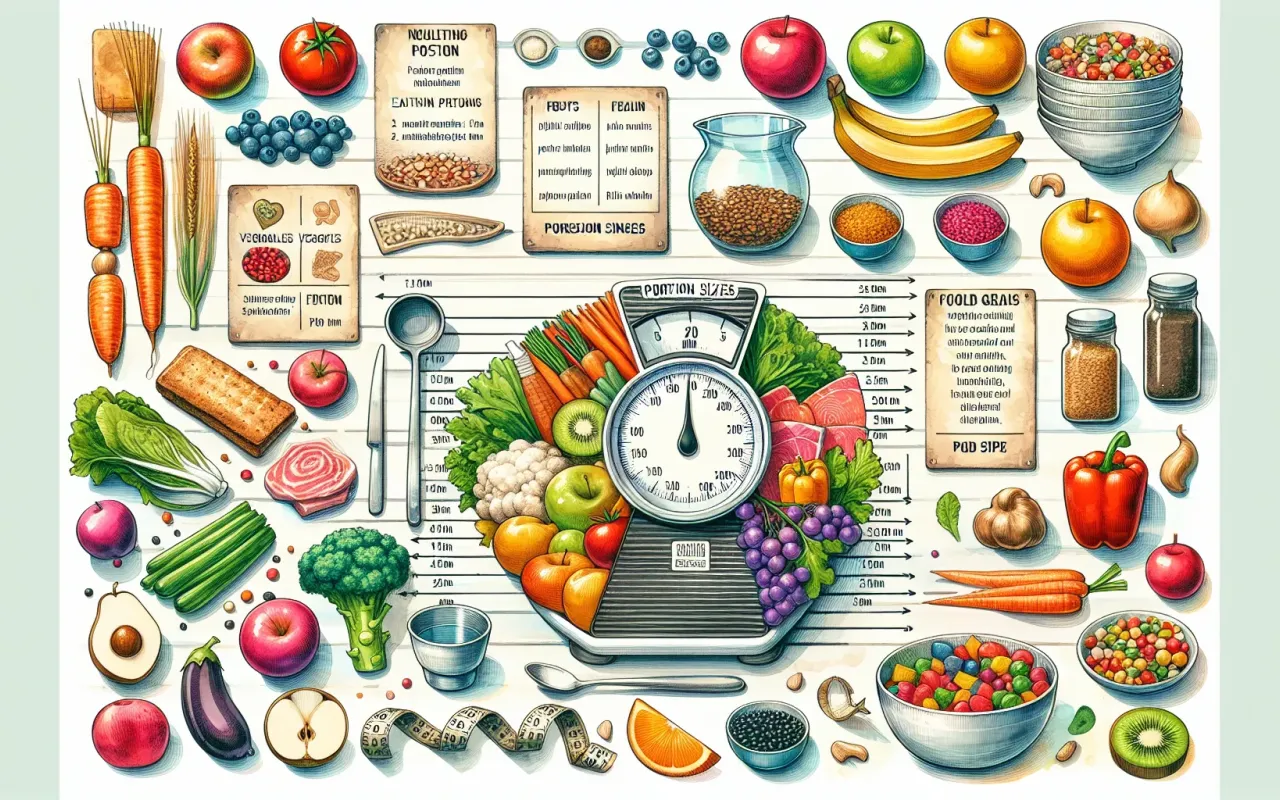
Discover how to master healthy portion sizes for weight loss with our comprehensive guide. Learn tips, strategies, and techniques for controlling portion sizes to achieve your weight loss goals.
- August 26, 2024
Weight loss is a multifaceted journey that involves more than just cutting calories or hitting the gym. One of the most impactful and sustainable strategies is mastering healthy portion sizes for weight loss. This comprehensive guide will provide you with the knowledge and tools you need to effectively manage your food intake and achieve your weight loss goals.
Why Portion Control Matters
Portion control plays a critical role in weight loss because it helps you manage your calorie intake without necessarily having to change the types of foods you enjoy. Understanding the importance of portion sizes can prevent overeating and ensure you're consuming a balanced diet.
Calorie Management
Controlling your portions directly influences the number of calories you consume. Even healthy foods can contribute to weight gain if eaten in large quantities.
Balanced Nutrition
Balanced portion sizes ensure you get the necessary nutrients without overloading on any food group. This balance aids in overall health and well-being while promoting weight loss.
Understanding Portion Sizes
Portion Size vs. Serving Size
It's important to distinguish between portion size and serving size. A portion size is the amount of food you choose to eat at one time, while a serving size is a standardized amount set by nutritional guidelines. Reading food labels can help you understand what constitutes a serving size and how many servings you're actually consuming.
Visual Cues for Portion Sizing
- Vegetables and fruits: Aim for portions about the size of your fist.
- Proteins: A portion should be roughly the size of your palm.
- Carbohydrates: Think of a cupped hand as a rough estimate.
- Fats: Limit portions to about the size of your thumb.
Practical Tips for Mastering Portion Sizes
Use Smaller Plates
Psychologically, a full small plate appears more satisfying than a half-empty large plate. This optical illusion can help control portions without feeling deprived.
Pre-portion Your Snacks
Instead of eating directly from larger packages, portion out snacks into smaller containers. This prevents mindless overeating and keeps you aware of how much you're consuming.
Read Food Labels
Food labels provide vital information about serving sizes and calories. Familiarize yourself with these details to make informed choices.
Slow Down Your Eating
Eating slowly gives your brain time to register fullness, which can prevent overeating. Try to take 20 minutes for each meal, savoring each bite.
Stay Hydrated
Sometimes thirst is mistaken for hunger. Drinking a glass of water before meals can help you distinguish between the two and potentially reduce the amount you eat.
Overcoming Common Challenges
Dining Out
Restaurant portions are often larger than necessary. Consider these strategies:
- Share a meal with a friend.
- Ask for a to-go box and portion out half of your meal before you start eating.
- Choose healthier menu options and be mindful of high-calorie add-ons like sauces and dressings.
Emotional Eating
Emotions can lead to overeating, particularly of comfort foods. Strategies to overcome this include:
- Keeping a food journal to track emotional triggers.
- Finding alternative activities like exercise or hobbies to manage stress.
- Seeking support from friends, family, or professionals.
Technology and Tools for Portion Control
Several tools and technologies can help you manage your portions effectively:
Food Scales and Measuring Cups
These can provide precise measurements and help you understand serving sizes better.
Portion Control Containers
These specially designed containers take the guesswork out of portioning by providing pre-measured compartments.
Mobile Apps
Apps like MyFitnessPal and Lose It! offer features for tracking food intake, calories, and portion sizes, making it easier to stay on track.
Conclusion
Mastering healthy portion sizes for weight loss is a sustainable and effective strategy that anyone can adopt. By understanding proper portion sizes and utilizing practical tips and tools, you can enjoy a balanced diet and achieve your weight loss goals. Remember, the key is consistency and mindfulness in your eating habits. Make small adjustments, stay committed, and you'll see lasting results.