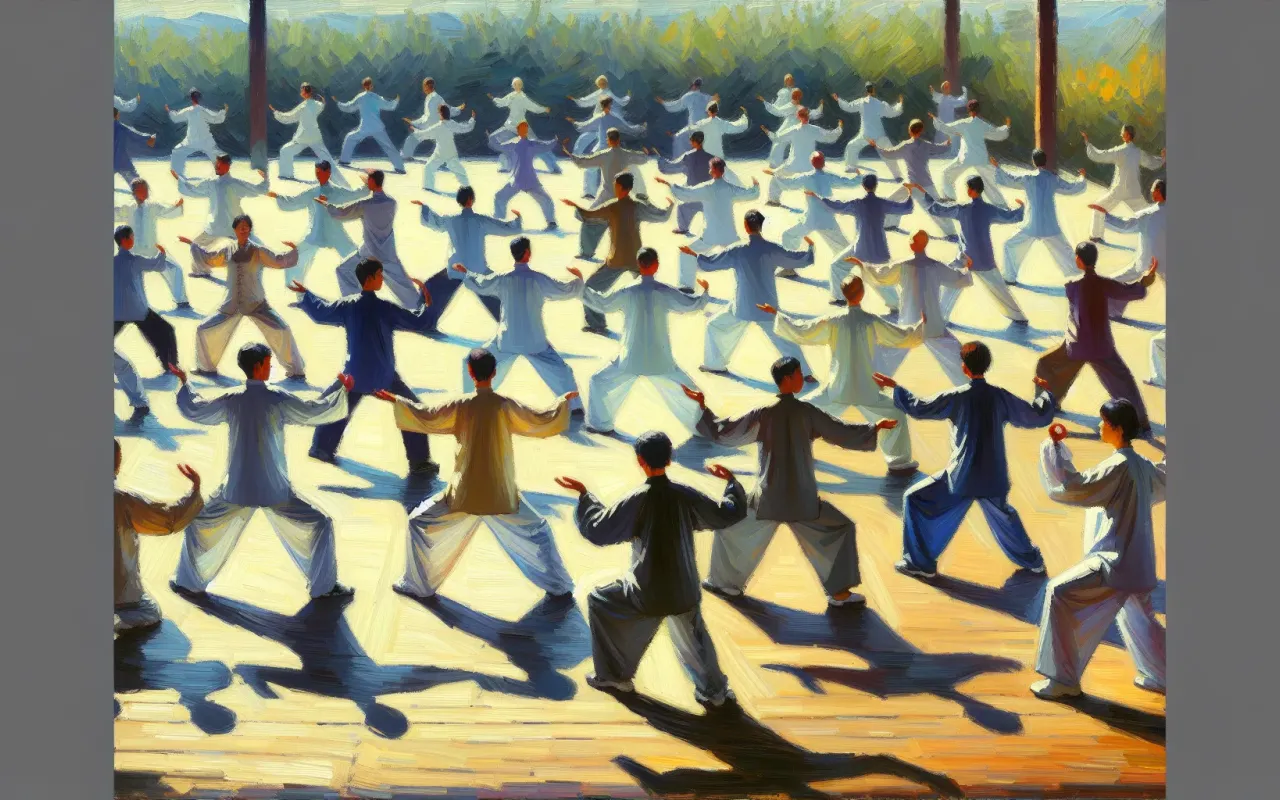
Discover the top 10 Tai Chi exercises for balance and stability. Improve your stability and overall well-being with these expert-recommended Tai Chi routines.
- August 26, 2024
When it comes to enhancing balance and stability, Tai Chi is a time-tested practice that offers substantial benefits. Originating from ancient China, Tai Chi combines gentle, flowing movements with mindful breathing to strengthen both body and mind. This article will explore ten effective Tai Chi exercises specifically designed to improve balance and stability, guiding you on a journey toward greater physical harmony and overall wellbeing.
Why Tai Chi for Balance and Stability?
Tai Chi provides a low-impact way to enhance balance, coordination, flexibility, and muscle strength. Its slow and deliberate movements help improve proprioception – the body's ability to perceive its position in space. Regular practice can reduce the risk of falls, improve posture, and contribute to emotional tranquility, making it a holistic exercise choice.
Top 10 Tai Chi Exercises for Balance and Stability
1. Commencing Form
The Commencing Form is the starting movement of many Tai Chi routines. Begin in a standing position with feet shoulder-width apart, arms relaxed at your sides. Slowly raise your arms to shoulder height while simultaneously bending your knees. Lower your arms gently back to your sides as you straighten your legs to return to the starting position. This simple exercise builds awareness of your posture and grounding.
2. Ward Off
Ward Off involves shifting weight from one foot to the other while coordinating arm movements. Start with feet shoulder-width apart, shift weight onto one leg, and lift your arms in front of your body. As you turn your torso, push forward as if warding off an imaginary object. This exercise enhances core stability and lateral balance.
3. Grasp the Bird’s Tail
Grasp the Bird’s Tail consists of four movements: Peng, Lü, Ji, and An. Each segment emphasizes different aspects of balance and stability. For example, Peng (ward off) focuses on structure and grounding, while Lü (roll back) encourages smooth, controlled shifts in weight. Practicing this sequence promotes fluidity and coordination.
4. Single Whip
Single Whip is known for its sweeping arm motion and lateral step. Start from a posture with feet shoulder-width apart, shift your weight to one leg, and extend the opposite arm to the side. As you rotate your torso, bring your extended arm across your body in a sweeping motion. This exercise strengthens the core and enhances side-to-side balance.
5. Wave Hands Like Clouds
Wave Hands Like Clouds is a graceful series of side steps accompanied by flowing arm movements. Shift your weight from leg to leg while circling your arms in a wave-like motion. This exercise not only improves balance but also promotes relaxation and mental clarity.
6. Golden Rooster Stands on One Leg
This one-legged stance emphasizes single-leg balance and core strength. Shift your weight onto one leg and lift the opposite knee while extending your arms. Maintain your balance by focusing on posture and engaging your core muscles. Practicing this exercise helps stabilize the ankle, knee, and hip joints.
7. Repulse the Monkey
Repulse the Monkey involves coordinated stepping backward movements. Step back with one foot while pushing your arms forward, simulating pushing away an object. This exercise challenges your stability and promotes controlled, backward movement, which is often neglected in exercise routines.
8. Brush Knee and Twist Step
Brush Knee and Twist Step combines forward lunging with a coordinated arm sweep. Step forward into a lunge while brushing one hand past your knee and extending the other arm forward. This exercise enhances coordination between upper and lower body movements, improving overall balance.
9. Fair Lady Works the Shuttles
Fair Lady Works the Shuttles involves a series of smooth, diagonal movements. Step diagonally while sweeping your arms in a controlled motion. This exercise emphasizes stability and coordination across different planes of motion, fostering a more dynamic sense of balance.
10. Parting the Wild Horse’s Mane
Parting the Wild Horse’s Mane features a forward stepping motion with coordinated arm movements. Step forward and extend one arm upward while the other sweeps down. This sequence promotes fluid transitions and helps cultivate a strong, grounded stance.
Tips for Practicing Tai Chi for Balance and Stability
- Start Slow: Begin with basic movements and gradually progress to more complex sequences to avoid overexertion.
- Focus on Form: Proper form is crucial for maximizing the benefits of Tai Chi. Pay attention to your posture and alignment to prevent injury.
- Practice Regularly: Consistency is key to experiencing the full benefits of Tai Chi. Aim for regular practice sessions, even if they are short.
- Stay Mindful: Tai Chi is a meditative practice. Focus on your breath and movements to cultivate a calm and present state of mind.
- Seek Instruction: If possible, attend a class with a qualified instructor to ensure proper technique and receive personalized guidance.
Conclusion
Incorporating Tai Chi exercises into your routine can significantly enhance your balance and stability, contributing to overall physical and mental wellness. The gentle, mindful movements of Tai Chi not only strengthen your body but also foster a sense of inner peace and tranquility. Start practicing these ten exercises today to harness the transformative power of Tai Chi, and enjoy a more balanced and stable life.