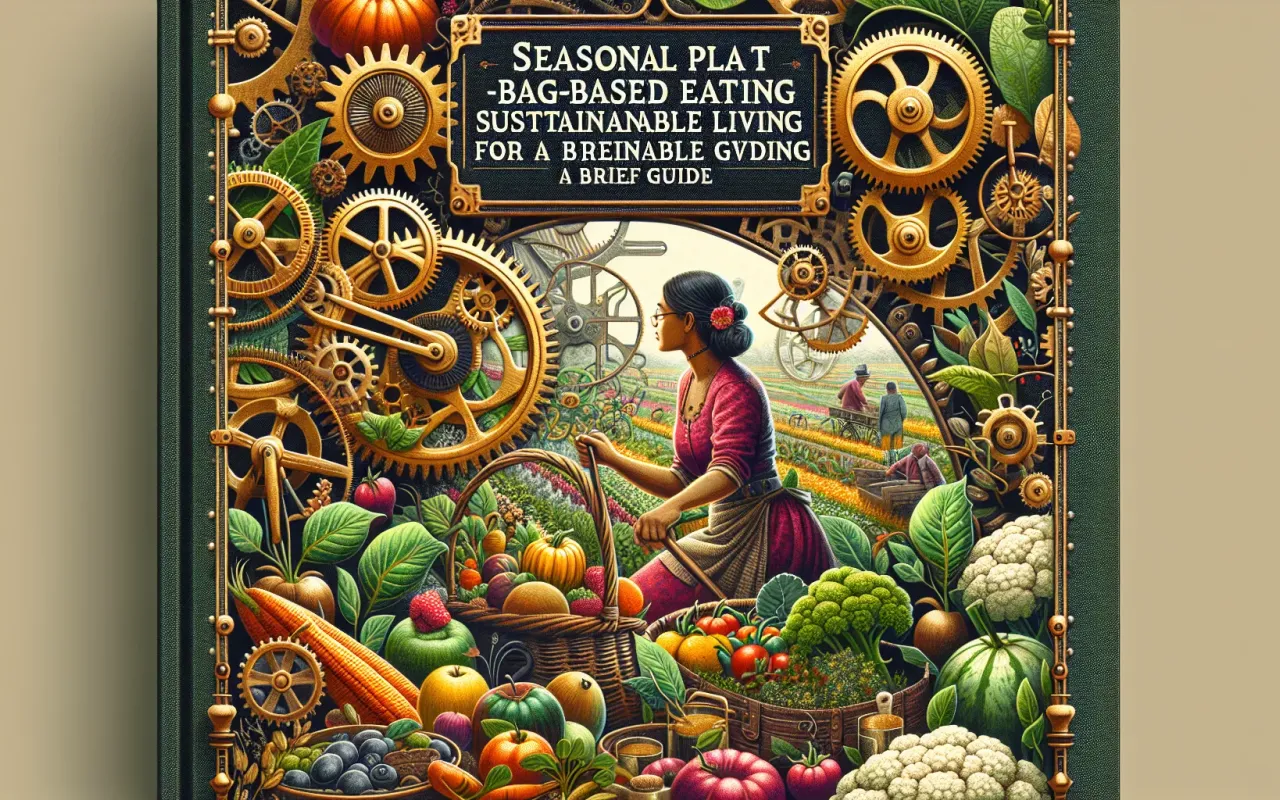
Discover the benefits and practices of seasonal plant-based eating for sustainable living. Learn how to align your diet with nature’s rhythms for a healthier planet and lifestyle.
- August 26, 2024
AceShowbiz - In the quest for eco-friendly and health-conscious lifestyles, seasonal plant-based eating for sustainable living has gained significant traction. This approach not only supports environmental sustainability but also boosts health and well-being. By aligning our diets with the natural rhythms of the earth, we can tap into numerous benefits while making a positive impact on our planet. Let's dive into how you can incorporate this practice into your life.
Understanding Seasonal Plant-Based Eating
Seasonal plant-based eating involves consuming fruits, vegetables, and other plant foods that are harvested during their natural growing seasons. This practice contrasts with the consumption of produce that is imported or grown out of season, often requiring extensive resources for storage and transportation.
The Benefits of Seasonal Eating
- Nutritional Advantages: Seasonal produce often retains more nutrients and flavor, as it's harvested at peak ripeness. This can enhance your diet with fresher, more nutrient-dense foods.
- Environmental Impact: Eating seasonally reduces the carbon footprint associated with long-distance transportation and out-of-season growing methods that rely heavily on fertilizers and pesticides.
- Economic Benefits: Purchasing seasonal produce supports local farmers and markets, fostering a more resilient and sustainable local economy.
How to Get Started with Seasonal Plant-Based Eating
Transitioning to a seasonal plant-based diet doesn't have to be complicated. Here are some steps to help you get started:
Research Seasonal Produce
Start by familiarizing yourself with what fruits and vegetables are in season in your region. Many online resources and local agricultural extensions provide seasonal produce charts. Knowing what to look for can guide your shopping choices.
Visit Farmers' Markets
Farmers' markets are excellent places to find fresh, seasonal produce. Engaging with local farmers can also provide valuable insights into how the produce was grown and harvested.
Plan Your Meals
Meal planning around seasonal produce can make the transition smoother. Consider selecting a few new recipes each week that highlight seasonal ingredients. This not only diversifies your diet but also sparks culinary creativity.
Preserve Seasonal Bounty
Canning, freezing, and fermenting are excellent ways to preserve the nutritional value and flavor of seasonal produce. This practice ensures you have access to healthy, home-grown foods even in the off-season.
Sample Seasonal Foods by Season
Spring
- Vegetables: Asparagus, spinach, radishes, peas
- Fruits: Strawberries, apricots, cherries
Summer
- Vegetables: Zucchini, bell peppers, cucumbers, tomatoes
- Fruits: Berries, melons, peaches, plums
Autumn
- Vegetables: Pumpkins, sweet potatoes, carrots, parsnips
- Fruits: Apples, pears, grapes
Winter
- Vegetables: Kale, Brussels sprouts, leeks, winter squash
- Fruits: Oranges, grapefruits, pomegranates
Overcoming Challenges
While seasonal plant-based eating is rewarding, it may come with some challenges. Here are a few tips to help you overcome them:
Limited Availability
In some regions, the variety of fresh produce available in certain seasons may be limited. Consider using preserved foods or expanding your culinary skills to include new cooking methods and recipes that highlight the available produce.
Changing Habits
Transitioning to a new way of eating requires habit changes. Start slowly, incorporating a few seasonal items each week, and be patient with yourself as you make this shift.
Budget Constraints
While seasonal produce is often more affordable, some specialty items might still be costly. Purchase in bulk when possible and consider growing your own vegetables to cut costs.
Sustainable Living Beyond the Plate
Seasonal plant-based eating is a significant step towards sustainable living, but it's not the only aspect. Here are additional practices to consider:
- Reducing Food Waste: Plan meals and store food properly to minimize waste.
- Composting: Turn organic kitchen waste into nutrient-rich compost for your garden.
- Supporting Local Business: Shop at local farmers’ markets and co-ops.
- Mindful Consumption: Be aware of packaging and opt for products with minimal or eco-friendly packaging.
Conclusion
Seasonal plant-based eating for sustainable living is a practical and impactful way to enhance your health and reduce your environmental footprint. By aligning our diets with the earth's natural rhythms, we support local ecosystems, enjoy nutrient-rich foods, and promote a sustainable lifestyle. Start your journey today by exploring seasonal produce in your area, visiting local farmers' markets, and experimenting with new recipes. Together, we can make a difference for our health and the planet.