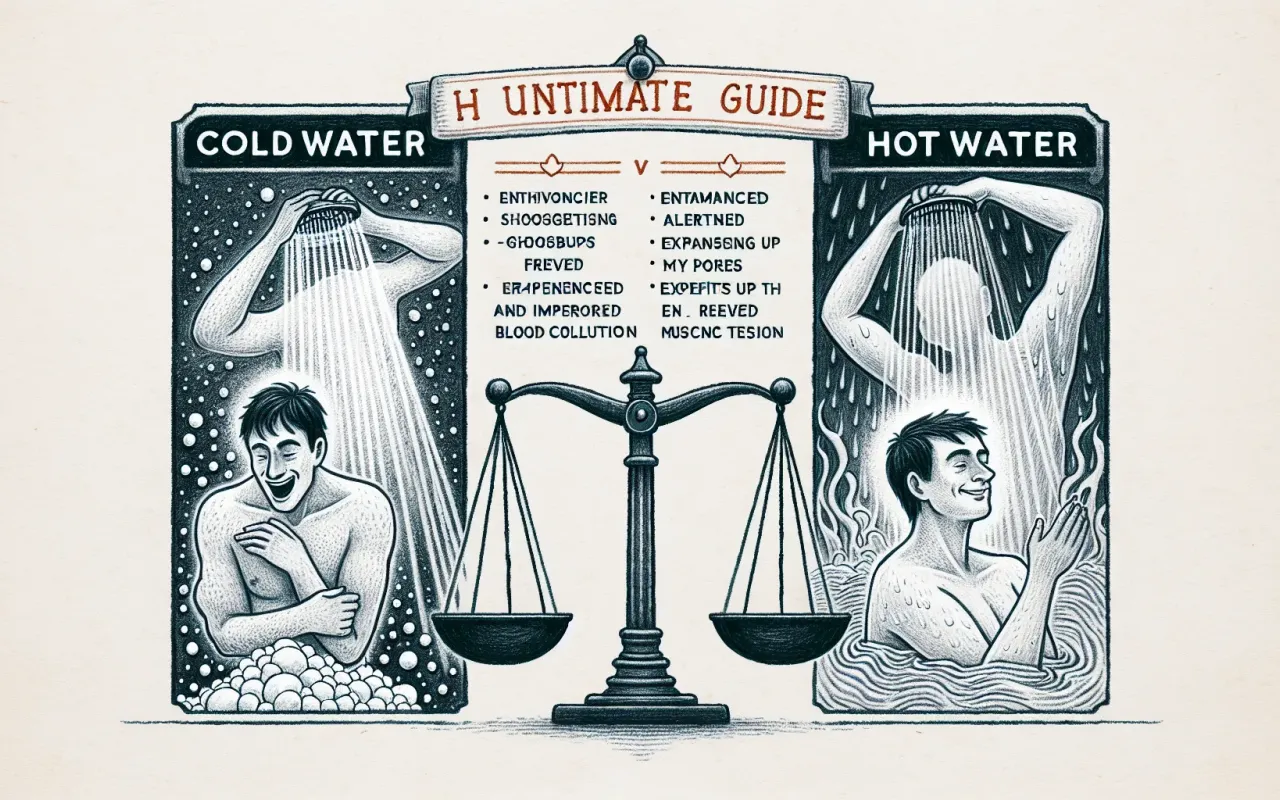
Discover the benefits and drawbacks of showering with cold vs hot water. Find out which is better for your health, skin, and overall well-being with our ultimate guide.
- August 26, 2024
Showering is an essential part of our daily routine, offering both hygiene and relaxation. But when it comes to choosing between cold and hot water, the decision can significantly impact your health and well-being. In this comprehensive guide, we explore the advantages and disadvantages of showering with cold vs hot water, helping you determine which is better suited for your needs.
Understanding Showering with Cold Water
Cold showers aren't just a modern-day trend. Historically, humans have used cold water bathing for its believed health benefits. But what does science say about the effects of cold water on the body?
Benefits of Cold Water Showers
- Improved Circulation: Cold water causes blood vessels to constrict, which can boost circulation and blood flow.
- Enhanced Immune Function: Regular exposure to cold water has been shown to strengthen the immune system by boosting white blood cell count.
- Increased Alertness: The sudden exposure to cold water stimulates the nervous system, providing a natural energy boost and increased alertness.
- Muscle Recovery: Cold showers can reduce muscle inflammation and soreness, making them popular among athletes for recovery purposes.
- Skin and Hair Health: Cold water can help to maintain natural oils and improve skin and hair appearance by reducing pores and preventing dryness.
Drawbacks of Cold Water Showers
- Initial Discomfort: The initial shock of cold water can be uncomfortable and difficult to get used to, especially during cold weather.
- Not Suitable for All Conditions: Cold showers may not be advisable for individuals with cardiovascular conditions or cold-induced asthma.
The Benefits of Hot Water Showers
While cold showers have their perks, hot water showers have long been favored for their soothing and relaxing qualities. What are the exact benefits of a warm shower?
Advantages of Hot Water Showers
- Muscle Relaxation: Hot water helps to relax tense muscles, reduce stiffness, and alleviate pain.
- Improved Sleep: A relaxing hot shower before bed can help to promote better sleep by calming the nervous system.
- Stress Relief: The warmth of a hot shower can reduce cortisol levels, helping to mitigate stress and anxiety.
- Enhanced Respiratory Health: Steam created from hot water can help to clear nasal passages and alleviate respiratory issues.
- Enhanced Hygiene: Hot water is more effective in removing dirt, oil, and bacteria from the skin.
Potential Drawbacks of Hot Water Showers
- Skin Dryness: Prolonged exposure to hot water can strip the skin of its natural oils, leading to dryness and irritation.
- Exacerbated Skin Conditions: Hot water can worsen conditions like eczema or psoriasis.
- Increased Energy Costs: Heating water requires more energy, potentially increasing utility bills.
Combining Hot and Cold Showers: The Best of Both Worlds?
Embracing the concept of "contrast showers" or alternating between hot and cold water can provide a balance between the benefits of both. Here's how this approach can help:
- Improved Circulation: Alternating temperatures stimulate blood flow more effectively than either temperature alone.
- Muscle Recovery and Relaxation: The combination can reduce muscle soreness while also promoting relaxation.
- Enhanced Skin Health: Hot water can clean deeply, while cold water can tighten skin and reduce pores.
- Boosts Immunity: The contrast in temperatures can bolster the immune system and improve overall resilience.
To try contrast showers, start with hot water for a few minutes, switch to cold water for a minute, and repeat the process a few times, finishing with cold water.
Factors to Consider When Choosing Between Cold and Hot Showers
While personal preference plays a significant role, other factors may influence your decision:
Weather and Climate
In colder climates, hot showers can offer comfort and warmth, while in hotter climates, cold showers can be refreshing and cooling.
Personal Health Conditions
Individuals with certain health conditions may need to consult their healthcare provider before opting for cold or hot showers. For example, those with cardiovascular issues might need to avoid extremely cold showers.
Skin Type and Sensitivity
Your skin type might influence your choice. Individuals with dry or sensitive skin may find hot showers exacerbating their condition, while cold showers might be more suitable.
Conclusion
Ultimately, the choice between showering with cold vs hot water depends on your personal preferences, health conditions, and the specific benefits you seek. Cold showers can invigorate and boost immunity, while hot showers relax and soothe. Combining the two through contrast showers can provide a holistic approach to maximizing benefits. By considering the outlined factors and experimenting with both, you can make an informed decision that best suits your lifestyle and health needs.