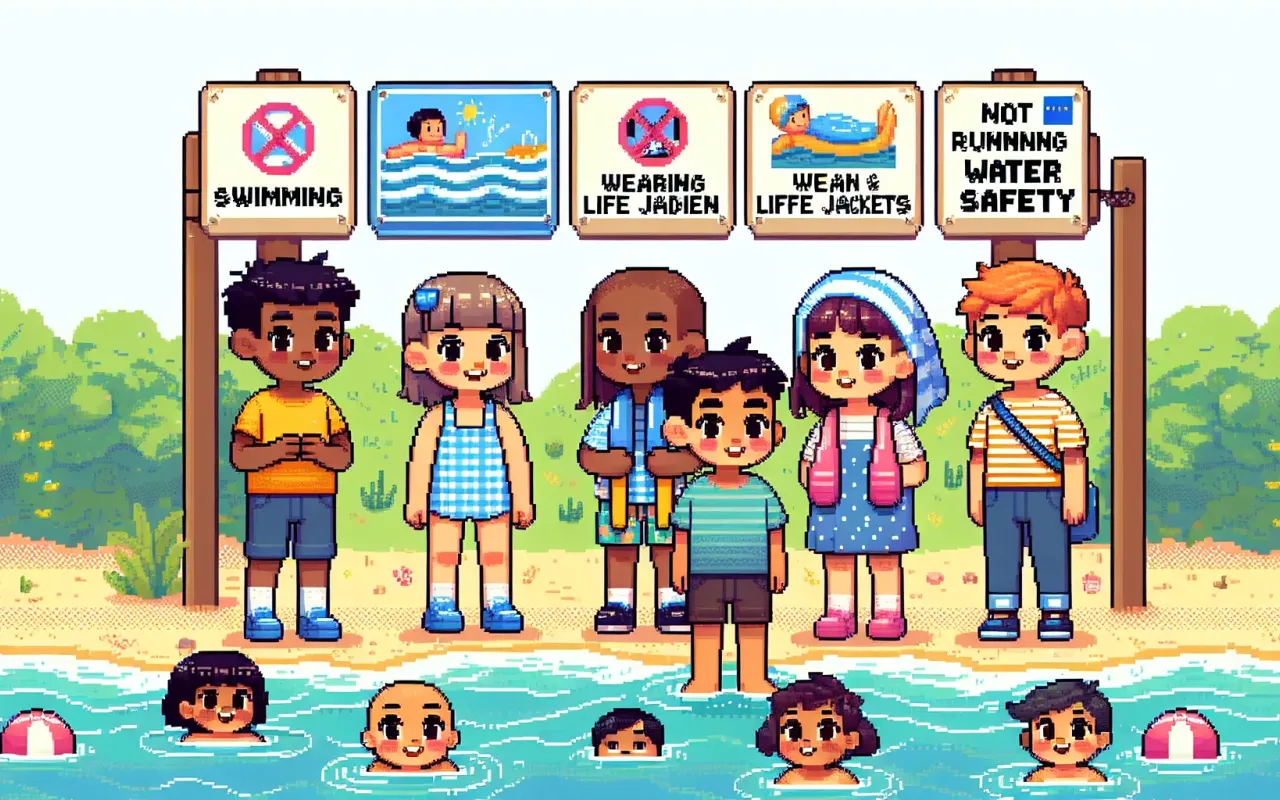
Learn essential water safety rules for young children to ensure their safety and happiness around water. Discover expert tips and strategies to prevent accidents.
- August 26, 2024
Water activities can be a delightful experience for children, providing them with countless hours of fun and enjoyment. However, water also poses significant risks, especially for young children. Understanding and implementing essential water safety rules for young children can make a difference between a joyous day and a potential tragedy. This article delves into crucial water safety tips to ensure the safety and happiness of your kids.
Why Water Safety is Crucial for Young Children
Accidental drowning is a leading cause of injury-related death among children aged 1-4. According to the Centers for Disease Control and Prevention (CDC), children are the most vulnerable to drowning incidents. Therefore, it's paramount to be aware of the dangers water poses and to actively take steps to mitigate these risks.
Supervision is Key
Constant, Active Supervision
Never leave children unattended near water bodies, whether it's a swimming pool, bathtub, or natural water sources like lakes and rivers. Designate a 'water watcher' responsible for actively supervising the children. This person should avoid distractions like phones, books, or engaging in lengthy conversations.
Use of Barriers
Install barriers such as pool fences with self-latching gates to restrict unsupervised access to pools. These barriers can significantly reduce the risk of accidental drownings in residential pools.
Teach Basic Water Safety Rules
Swimming Lessons
Introduce children to swimming lessons early on. According to the American Academy of Pediatrics (AAP), children can start learning to swim as early as 1 year old. Swimming lessons impart essential skills that could be lifesaving.
Water Safety Commands
Teach your children specific water safety commands such as "no running," "stay away from the deep end," and "ask permission before getting in the water." Consistent reinforcement of these rules helps ingrain cautious behavior around water.
Equip Your Children with Safety Gear
Life Jackets
Use Coast Guard-approved life jackets for children, especially if they're not strong swimmers or in open water scenarios like boating. Ensure the life jacket fits snugly and is appropriately used as per safety instructions.
Floatation Devices
While floatation devices like water wings and pool noodles are fun, they should never replace life jackets. These devices are not designed for water safety and may give a false sense of security.
Emergency Preparedness
CPR Training
Consider getting CPR certified, which equips you with the skills to respond effectively during water emergencies. Immediate CPR can make a significant difference in the outcome of drowning incidents.
Emergency Plan
Have an emergency action plan in place. Ensure you know how to quickly contact emergency services and have necessary contact numbers easily accessible. Familiarize yourself and your family with the layout of the swimming area and locate rescue equipment like lifebuoys or poles.
Avoiding Common Hazards
Recognize Hazards at Home
Be mindful of water hazards in the home, such as bathtubs, buckets, and toilets. Ensure these are emptied immediately after use and keep bathroom doors closed to limit access.
Natural Water Hazards
Natural water bodies present unpredictable risks like currents or sudden drop-offs. Equip children with appropriate safety gear and stay vigilant during such outings.
Conclusion
Ensuring water safety for young children requires diligence, education, and preparation. By actively supervising, teaching water safety rules, using proper safety gear, and preparing for emergencies, you can provide a secure environment for your children to enjoy water activities. Adopting these guidelines protects not only your children but also instills in them a lifelong respect and understanding of water safety.