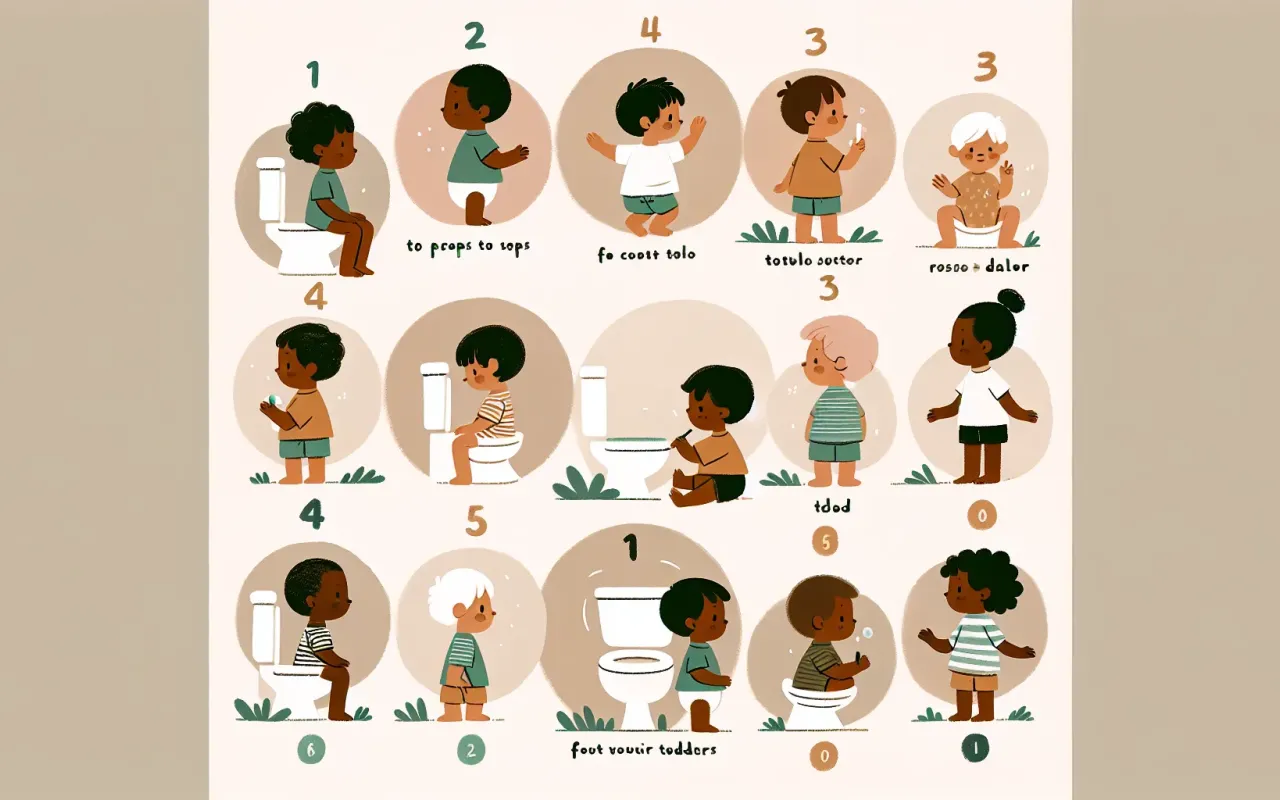
Discover valuable toddler potty training hacks that can make the process easier and more effective for both parents and toddlers.
- August 26, 2024
Potty training can be a daunting task for many parents. However, with the right tips and strategies, you can make the process smoother and more effective. In this article, we will explore ten essential toddler potty training hacks that can help both parents and toddlers navigate this crucial developmental milestone.
Understanding the Basics of Potty Training
Before diving into specific hacks, it’s important to understand the foundation of potty training. Typically, children are ready to start potty training between 18 months and 3 years old. Signs of readiness include showing interest in the toilet, staying dry for longer periods, and being able to follow simple instructions.
Hack 1: Establish a Routine
Consistency is key when it comes to potty training. Establishing a regular routine helps your toddler understand what is expected of them. Encourage them to use the potty at specific times, such as after waking up, before bedtime, and after meals.
Hack 2: Create a Positive Environment
A positive and encouraging environment can significantly impact your toddler’s potty training success. Praise and rewarding small achievements can motivate your toddler to keep trying. Avoid using punishment or negative reinforcement, as it can create fear and resistance.
Hack 3: Use Training Pants
Training pants are an excellent intermediate step between diapers and regular underwear. They provide a sense of independence while still offering some protection against accidents. Look for training pants that are easy for your toddler to pull up and down on their own.
Hack 4: Implement a Reward System
Rewards can be a powerful motivator for toddlers. Create a simple reward system where your child can earn stickers, small toys, or extra playtime for using the potty. Be consistent with the rewards to reinforce positive behavior.
Long-Term Rewards vs. Immediate Gratification
While immediate rewards can keep your toddler interested, long-term rewards like a special outing or a big toy can provide additional motivation. Balance both types to maintain enthusiasm throughout the potty training journey.
Hack 5: Make It Fun
Engage your toddler with fun activities related to potty training. Use storybooks, potty training apps, or potty-themed songs to make the process enjoyable. Additionally, let your toddler pick out their potty or training seat to give them a sense of ownership.
Hack 6: Lead by Example
Children learn by imitating their parents. If appropriate, let your toddler observe you or an older sibling using the toilet. This can demystify the process and encourage them to follow suit.
Hack 7: Be Patient and Flexible
Every child is different, and potty training is not a one-size-fits-all process. Be patient and prepared for setbacks. If your child is not ready, don’t force them. Take a break and try again after a few weeks.
Hack 8: Communicate Openly
Encourage open communication with your toddler about potty training. Use simple language to explain the process and let them express their feelings. Address any fears or concerns they might have.
Hack 9: Use Visual and Verbal Cues
Visual and verbal cues can help your toddler understand when it’s time to use the potty. For instance, you can use a special signal or phrase like “potty time†to remind them gently. Visual aids, such as a potty training chart, can also track progress and motivate your child.
Hack 10: Ensure Comfort and Safety
Your toddler’s comfort and safety should be a priority. Ensure that the potty seat or toilet adapter is comfortable and stable. Keep the bathroom a safe environment by removing any hazardous items and installing a step stool if needed.
Conclusion
Potty training is a significant milestone in your child’s development. By understanding the basics and implementing these ten toddler potty training hacks, you can ease the process for both you and your toddler, ensuring a smoother and more enjoyable experience. Remember, patience, consistency, and positive reinforcement are key to successful potty training.