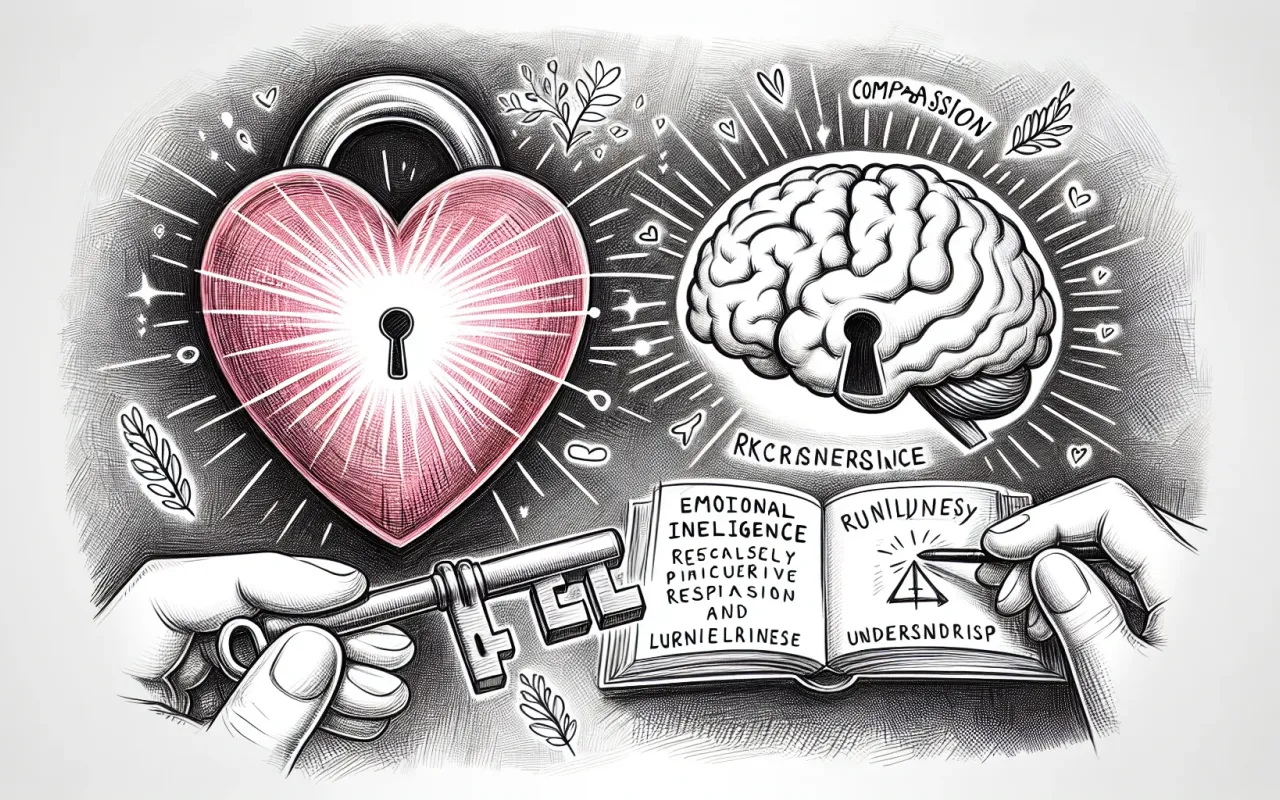
Unlock your emotional resilience through effective compassion training for emotional intelligence. Learn strategies to enhance empathy, self-awareness, and emotional management.
- August 26, 2024
AceShowbiz - In today's fast-paced world, emotional intelligence (EI) is more crucial than ever. By cultivating compassion as a core component of EI, individuals can enhance their emotional resilience, boost interpersonal relationships, and improve overall well-being. This comprehensive guide delves into the benefits and strategies of compassion training for emotional intelligence, offering practical solutions to enhance our understanding and application of these vital skills.
Understanding Emotional Intelligence
Emotional intelligence, often abbreviated as EI or EQ (Emotional Quotient), refers to the capacity to recognize, understand, and manage our own emotions and the emotions of others. Experts in psychology, such as Daniel Goleman, have emphasized that EQ is essential for personal and professional success, often more so than cognitive intelligence (IQ).
Components of Emotional Intelligence
Emotional intelligence comprises several key components:
- Self-awareness: Recognizing and understanding your own emotions.
- Self-regulation: Managing and controlling your emotional reactions.
- Motivation: Harnessing emotions to pursue goals with energy and persistence.
- Empathy: Understanding and sharing the feelings of others.
- Social skills: Managing relationships to move people in desired directions.
The Role of Compassion in Emotional Intelligence
Compassion, often seen as a key component of empathy, plays a critical role in emotional intelligence. It involves recognizing the suffering of others and taking steps to alleviate it. Compassion is not merely about feeling for others, but also about acting to support them. Integrating compassion into EI leads to better emotional health, positive relationships, and effective leadership.
Benefits of Compassion Training
Compassion training offers several benefits:
- Improved self-awareness: Understanding your own emotions and responses can help you navigate stress and anxiety more effectively.
- Enhanced empathy: Building compassion strengthens your ability to empathize with others, improving interpersonal relationships.
- Better stress management: Compassion training helps reduce stress by fostering a more supportive inner dialogue.
- Increased resilience: Compassionate individuals are better equipped to bounce back from setbacks and challenges.
Strategies for Compassion Training in Emotional Intelligence
Effective compassion training involves several practical strategies that anyone can implement. Below are some methods to integrate compassion into your daily life and improve your emotional intelligence:
Mindfulness Meditation
Mindfulness meditation is a practice that involves focusing on the present moment without judgment. By becoming more aware of your thoughts and feelings, you can develop greater self-awareness and compassion. Research has shown that mindfulness practices can lead to significant improvements in emotional regulation and empathy.
Practicing Self-Compassion
Self-compassion involves treating yourself with the same kindness and understanding that you would offer to a friend. It includes three main components:
- Self-kindness: Being gentle and understanding with yourself rather than harshly critical.
- Common humanity: Recognizing that suffering and personal inadequacy are part of the shared human experience.
- Mindfulness: Holding your painful thoughts and feelings in balanced awareness rather than ignoring or exaggerating them.
Empathetic Listening
Empathetic listening is a communication technique that involves truly hearing and understanding the speaker's message. This type of listening requires full attention and goes beyond merely hearing the words. Practicing empathetic listening can enhance your relationships and deepen your empathy and compassion.
Compassionate Actions
Compassionate actions involve actively addressing the needs and suffering of others. This can range from simple acts of kindness to more significant commitments, such as volunteer work. Engaging in compassionate actions fosters a sense of connection and purpose, which in turn enhances emotional intelligence.
Real-Life Applications of Compassion Training
Compassion training for emotional intelligence has numerous real-world applications. Below are some examples of how it can be applied in various settings:
Workplace
In the workplace, compassion training can lead to a more supportive and collaborative environment. Leaders who display high levels of empathy and compassion are more likely to inspire and engage their teams, resulting in improved morale and productivity. Implementing compassion training programs can also reduce workplace stress and burnout.
Education
In educational settings, teaching compassion and emotional intelligence skills can enhance students' social and emotional learning (SEL). Compassionate educators create a positive learning environment that fosters student engagement, reduces bullying, and promotes mental well-being.
Personal Relationships
In personal relationships, compassion training helps individuals navigate conflicts and strengthen bonds. By understanding and addressing the emotional needs of loved ones, individuals can create more fulfilling and harmonious relationships.
Conclusion
Compassion training is a powerful tool for unlocking emotional resilience and enhancing emotional intelligence. By incorporating mindfulness, self-compassion, empathetic listening, and compassionate actions into our daily lives, we can significantly improve our emotional well-being and interpersonal relationships. As we cultivate these skills, we not only enrich our own lives but also contribute to a more compassionate and connected world.