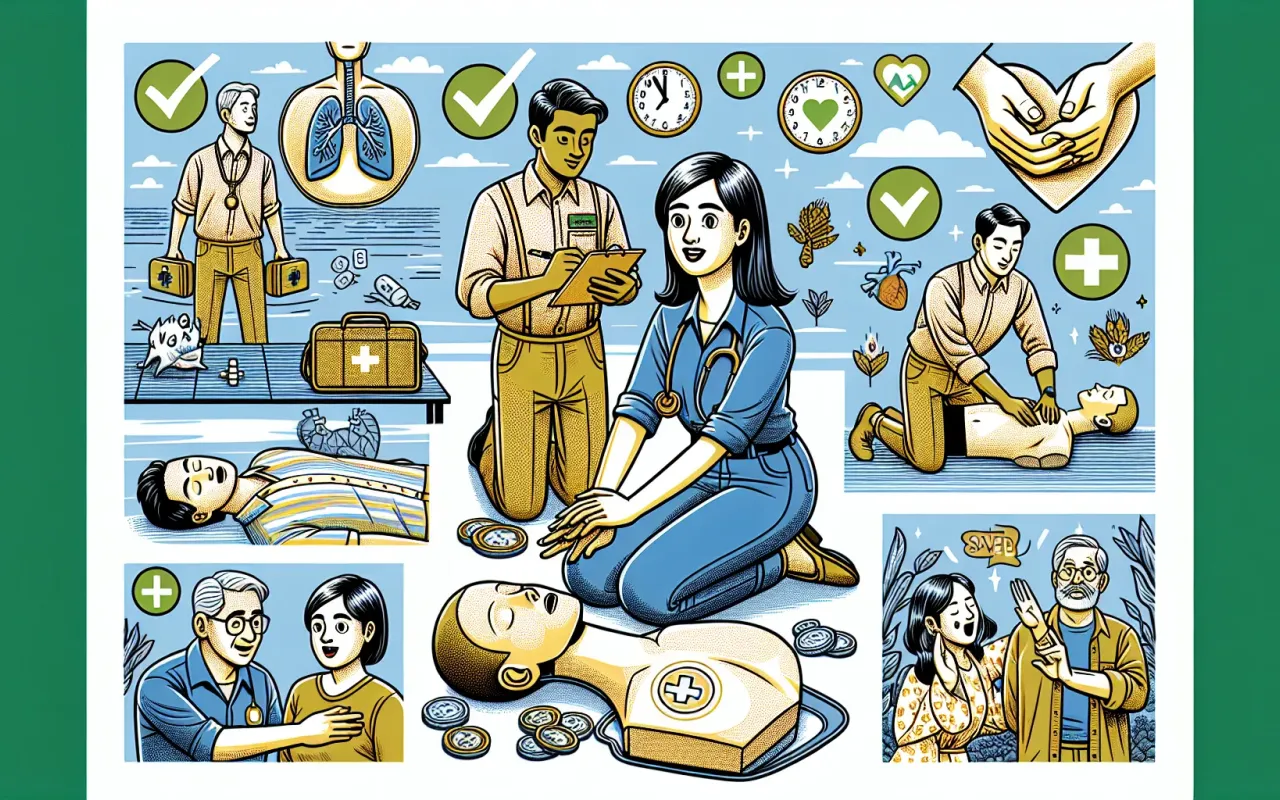
Discover the top 10 benefits of CPR in first aid situations. Learn why CPR is essential in emergencies, how it saves lives, and the broader impacts on health and safety.
- August 26, 2024
Cardiopulmonary Resuscitation (CPR) is a life-saving technique that is essential in first aid situations. Whether you're a healthcare professional, a first responder, or an ordinary person, understanding the importance of CPR can make a significant difference. This article outlines the top 10 benefits of CPR in first aid situations, aiming to educate and empower you to act confidently during emergencies.
1. Increases Survival Rates
One of the primary benefits of CPR in first aid situations is its ability to increase the survival rates of individuals experiencing cardiac arrest. Immediate CPR can double or even triple the chances of survival by maintaining circulation to vital organs until medical help arrives.
2. Maintains Blood Flow to Brain
CPR helps maintain blood flow to the brain during cardiac arrest, minimizing the risk of brain damage. Continuous chest compressions ensure that oxygenated blood circulates to the brain, which is crucial for preserving neurological function.
3. Buys Time for Professional Help
When you administer CPR, you buy precious time for emergency medical services (EMS) to arrive. In many cases, the time it takes for EMS to reach the patient can be the difference between life and death. CPR helps bridge this critical gap.
4. Empowerment and Readiness
Knowing how to perform CPR empowers individuals to take action during emergencies. It provides the confidence and readiness to respond effectively, which can mean the difference between a positive and negative outcome in a crisis.
5. Saves Lives Beyond Cardiac Arrest
While CPR is crucial for cardiac arrest, it also proves valuable in other medical emergencies, such as drowning, choking, and severe allergic reactions. In these situations, CPR can help maintain vital functions until further treatment is available.
6. Benefits of CPR in Community Training
Community CPR training programs create a network of prepared individuals who can respond to emergencies. These programs enhance public safety and ensure that more people are capable of performing life-saving actions when needed.
7. Encourages a Culture of Preparedness
Widespread CPR training fosters a culture of preparedness and responsibility. It encourages communities to be proactive about health and safety, which can lead to more lives being saved and a greater sense of security.
8. Strengthens the Chain of Survival
CPR is a crucial link in the "Chain of Survival," a series of actions that improve the chances of survival following cardiac arrest. By learning CPR, individuals contribute to strengthening this chain, enhancing the overall effectiveness of emergency response systems.
9. Improves Outcomes in Remote Areas
In remote or rural areas where advanced medical care may not be immediately available, CPR can be particularly vital. It provides initial care that can sustain life until the patient can be transported to a medical facility.
10. Reduces the Impact of Delayed Medical Response
Delays in medical response can have severe consequences during cardiac emergencies. Timely CPR can reduce the adverse impacts of such delays, providing crucial intervention that keeps the patient's condition from deteriorating further.
Conclusion
Understanding the benefits of CPR in first aid situations is fundamental for anyone looking to make a positive impact during emergencies. The act of performing CPR you can save lives, minimize the risk of brain damage, and provide critical support until professional help arrives. By promoting CPR training and preparedness, we can foster a safer, more responsive community, capable of handling medical crises effectively.