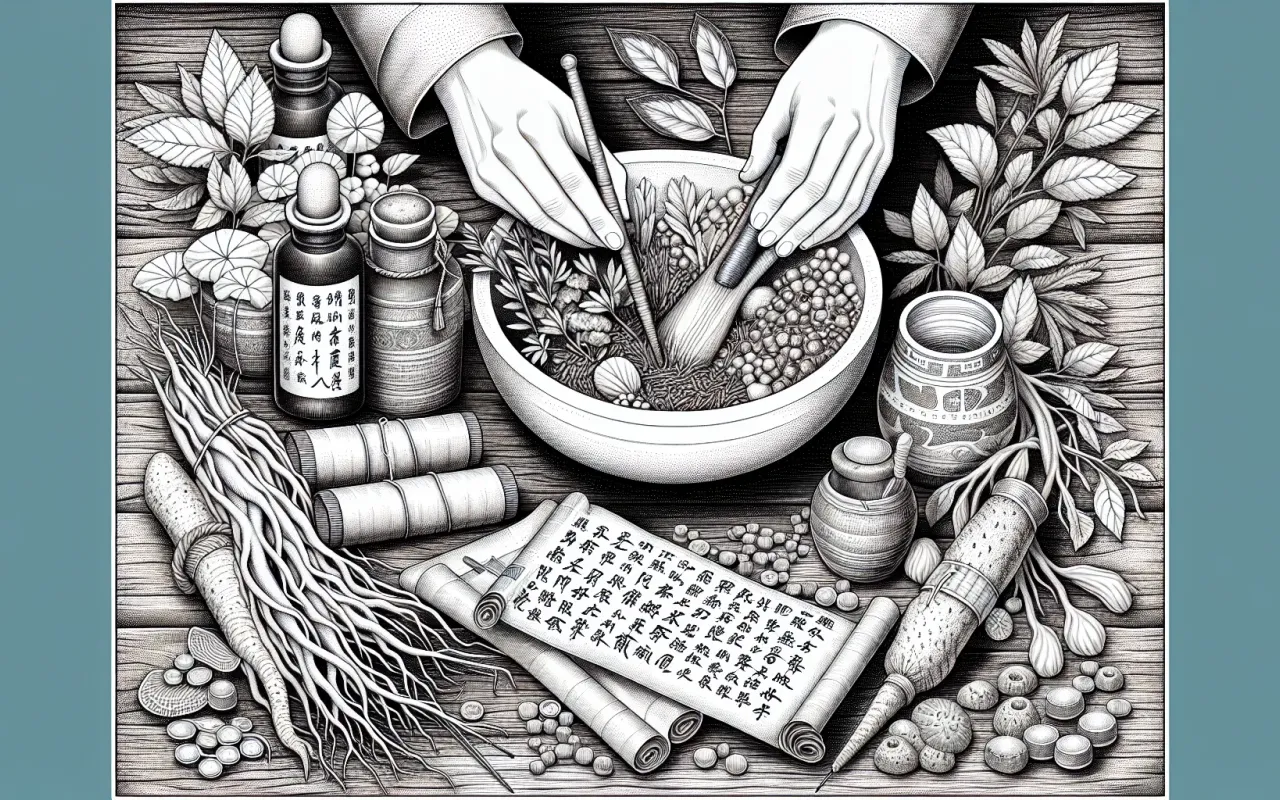
Explore the depths of Traditional Chinese Medicine practices and uncover the ancient wisdom behind their healing secrets.
- August 25, 2024
Traditional Chinese Medicine (TCM) has offered a holistic approach to health and wellness for thousands of years. Rooted in centuries-old practices and philosophical wisdom, TCM integrates the body's internal functions and external environment to maintain balance and harmony. This article will delve into the core principles of TCM, exploring its historical context, key practices, and modern-day applications.
The Foundation of Traditional Chinese Medicine
To decode ancient wisdom in Traditional Chinese Medicine practices, it is essential to understand its philosophical underpinnings. Central to TCM are the concepts of Yin and Yang, the Five Elements, and Qi (pronounced "chee"). These elements are believed to interact with each other to impact health and disease.
Yin and Yang: The Duality of Balance
Yin and Yang are opposing forces that exist in harmony. Yin represents qualities such as darkness, femininity, and passivity, while Yang embodies light, masculinity, and activity. TCM holds that health is a state of dynamic balance between these opposing forces, and illness arises from their imbalance.
The Five Elements Theory
The Five Elements theory—Wood, Fire, Earth, Metal, and Water—describes the interactions and relationships between different phenomena. Each element corresponds to specific organs and physiological functions, and their balance is crucial in TCM diagnosis and treatment.
Understanding Qi
Qi, or life force energy, flows through the body's meridian channels. It is vital for sustaining life and maintaining health. Blockages or imbalances in Qi are considered the root cause of illness in TCM, and treatments aim to restore its natural flow.
Key Practices in Traditional Chinese Medicine
TCM encompasses a variety of practices designed to balance Yin and Yang, harmonize the Five Elements, and ensure the smooth flow of Qi. Key practices include acupuncture, herbal medicine, Tai Chi, and dietary therapy.
Acupuncture and Acupressure
Acupuncture involves the insertion of fine needles into specific acupuncture points along meridian pathways to restore the flow of Qi. Acupressure applies similar principles using manual pressure. These practices are commonly used to treat pain, stress, and a range of health conditions.
Herbal Medicine
Traditional Chinese herbal medicine utilizes a vast array of plant, animal, and mineral substances. These remedies are often prescribed in combination formulations tailored to individual diagnostic patterns, aimed at addressing the root cause of disease rather than merely alleviating symptoms.
Tai Chi and Qigong
Tai Chi and Qigong are ancient martial arts and meditative practices that promote the circulation of Qi through gentle, flowing movements and controlled breathing. These exercises enhance physical and mental wellbeing, improve balance, and reduce stress.
Dietary Therapy
In TCM, food is viewed as medicine. Dietary therapy involves consuming a balanced diet that complements one's unique constitution and health condition. The focus is on whole, natural foods, with an emphasis on seasonal and locally sourced ingredients.
Modern Applications and Integration
As Western medicine increasingly recognizes the value of holistic health approaches, the integration of TCM practices into mainstream healthcare is gaining momentum. Research continues to validate the efficacy of TCM methodologies, particularly in areas of pain management, stress relief, and chronic disease prevention.
Scientific Research and Evidence
Numerous studies have shown the benefits of TCM practices. For instance, acupuncture has been found effective in reducing chronic pain, migraines, and anxiety. Herbal medicine, such as the use of Ginseng and Ginkgo Biloba, has proven to enhance cognitive function and cardiovascular health.
Combining TCM with Conventional Treatments
Integrative medicine approaches that combine TCM with conventional Western treatments offer a comprehensive strategy for managing health. Healthcare providers are increasingly recommending TCM practices to complement pharmaceutical treatments and surgical interventions, thereby enhancing overall patient outcomes.
Safety and Regulation
While TCM practices are generally safe, it is important for individuals to consult licensed and experienced practitioners. Regulatory bodies in various countries are establishing standards to ensure the quality and safety of TCM treatments, safeguarding public health.
Conclusion
Decoding ancient wisdom in Traditional Chinese Medicine practices reveals a treasure trove of healing secrets that continue to be relevant today. The holistic approach of TCM, which seeks to balance the body's energies and harmonize its elements, offers valuable insights and methodologies for achieving optimal health. As scientific research confirms the efficacy of these age-old practices, integrating TCM into modern healthcare can provide a balanced and comprehensive path to wellness.