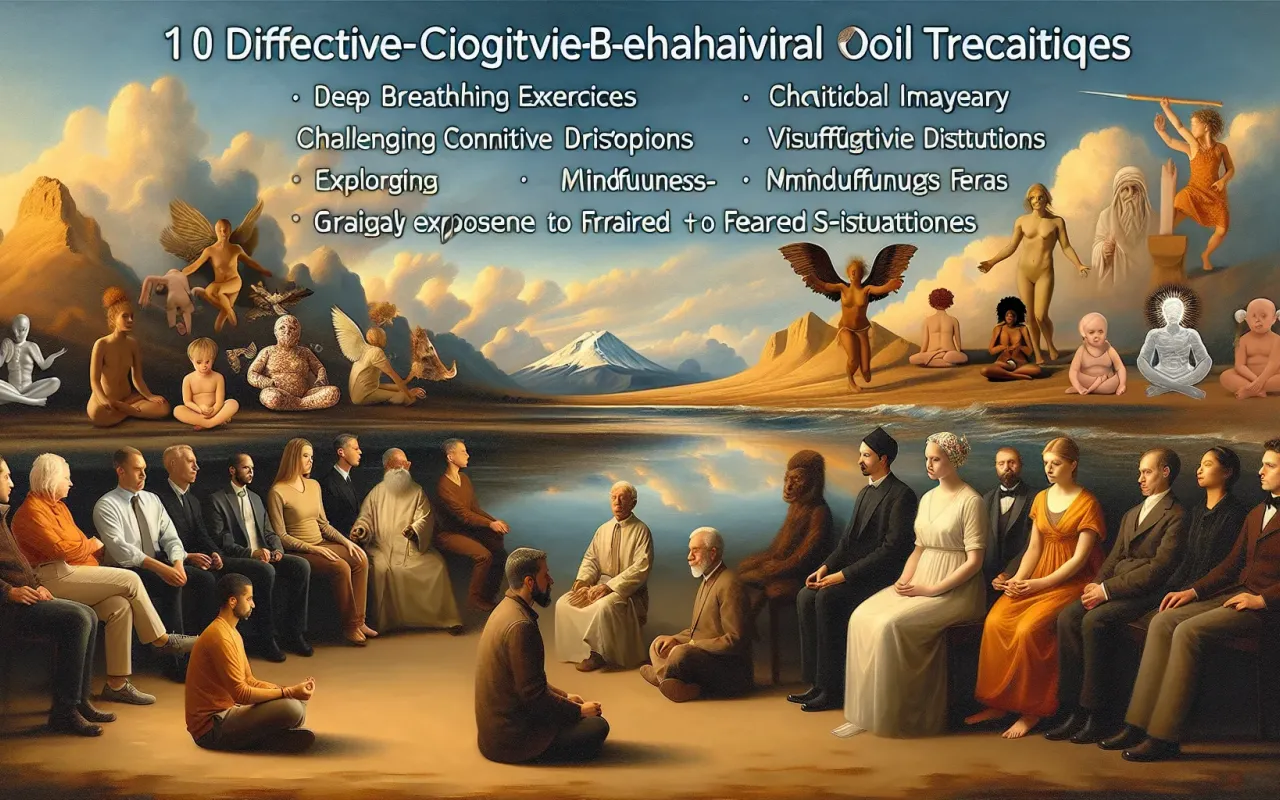
Discover 10 cognitive-behavioral therapy techniques to effectively manage stress. Learn how CBT can help you develop coping strategies for a healthier, happier life.
- August 25, 2024
Stress is an unavoidable part of life, but how we manage it can make a significant difference in our overall well-being. Cognitive-behavioral therapy (CBT) offers a practical approach to help individuals understand and manage their stress. This article delves into ten effective cognitive-behavioral therapy techniques for stress management that can equip you with the tools necessary for a healthier, stress-free life.
Understanding Cognitive-behavioral Therapy
Cognitive-behavioral therapy (CBT) is a type of psychological treatment that focuses on changing negative patterns of thinking and behavior. It is grounded in the idea that our thoughts, feelings, and behaviors are interconnected, and that by changing our thoughts, we can influence our emotions and actions. CBT has been widely used to treat a variety of mental health issues, including stress, anxiety, and depression.
Key CBT Techniques for Stress Management
1. Cognitive Restructuring
Cognitive restructuring involves identifying and challenging negative thought patterns. By recognizing distorted thoughts, such as catastrophizing or overgeneralizing, individuals can learn to replace them with more balanced and rational thoughts. This technique helps reduce stress by altering the negative interpretations that contribute to it.
2. Mindfulness-Based Stress Reduction (MBSR)
Mindfulness focuses on being present in the moment without judgment. MBSR combines mindfulness practices with CBT techniques to help individuals become more aware of their stress triggers and develop healthier responses. Techniques such as mindful breathing and body scans can help reduce physiological stress responses.
3. Behavioral Activation
Behavioral activation encourages individuals to engage in activities that they find enjoyable or meaningful. This technique helps combat stress-related inactivity and social withdrawal, promoting positive experiences and reducing stress levels. Scheduling and committing to these activities can create a sense of accomplishment and enhance mood.
4. Progressive Muscle Relaxation (PMR)
PMR is a technique that involves tensing and then relaxing different muscle groups in the body. This process helps individuals become more aware of physical tension associated with stress and promotes overall relaxation. Regular practice of PMR can lead to decreased stress and improved physical and emotional well-being.
5. Thought Records
Thought records are tools used to track and evaluate negative thoughts and emotions. By documenting stressful events and the corresponding thoughts and feelings, individuals can analyze and reframe their thought patterns. Over time, this technique fosters a more objective understanding of stressors and reduces their impact.
6. Exposure Therapy
Exposure therapy involves gradually confronting feared situations or thoughts in a controlled manner. This technique is effective for managing stress related to specific phobias or anxiety. By facing and dealing with these stressors, individuals can reduce their fear response and gain a sense of control.
7. Problem-Solving Skills
Developing strong problem-solving skills is essential for effective stress management. CBT encourages individuals to break down stressors into manageable parts and develop step-by-step strategies to address them. This proactive approach reduces feelings of helplessness and enhances coping abilities.
8. Relaxation Techniques
Various relaxation techniques, such as deep breathing exercises, visualization, and guided imagery, can help calm the mind and body. These techniques counteract the physiological effects of stress, promoting relaxation and mental clarity. Incorporating relaxation practices into daily routines can significantly reduce overall stress levels.
9. Cognitive Defusion
Cognitive defusion aims to change the way individuals relate to their thoughts. Instead of getting entangled in negative thoughts, individuals learn to observe them without judgment. Techniques like labeling thoughts as mere mental events rather than facts can help reduce their impact on stress levels.
10. Self-Compassion
Practicing self-compassion involves treating oneself with kindness and understanding during times of stress. CBT encourages individuals to recognize their own suffering and respond with empathy rather than self-criticism. Self-compassion fosters resilience and emotional well-being, making it easier to navigate stressful situations.
Integrating CBT Techniques into Daily Life
Incorporating CBT techniques into your daily routine can lead to sustained stress reduction and improved mental health. Start by selecting a few techniques that resonate with you and gradually integrate them into your routine. Consistency is key; regular practice will yield the best results.
Conclusion
Stress management is a crucial aspect of maintaining mental and emotional well-being. By utilizing these cognitive-behavioral therapy techniques for stress management, individuals can develop effective strategies to cope with stress and lead a healthier, more balanced life. Remember that seeking guidance from a trained CBT therapist can further enhance your ability to manage stress effectively.