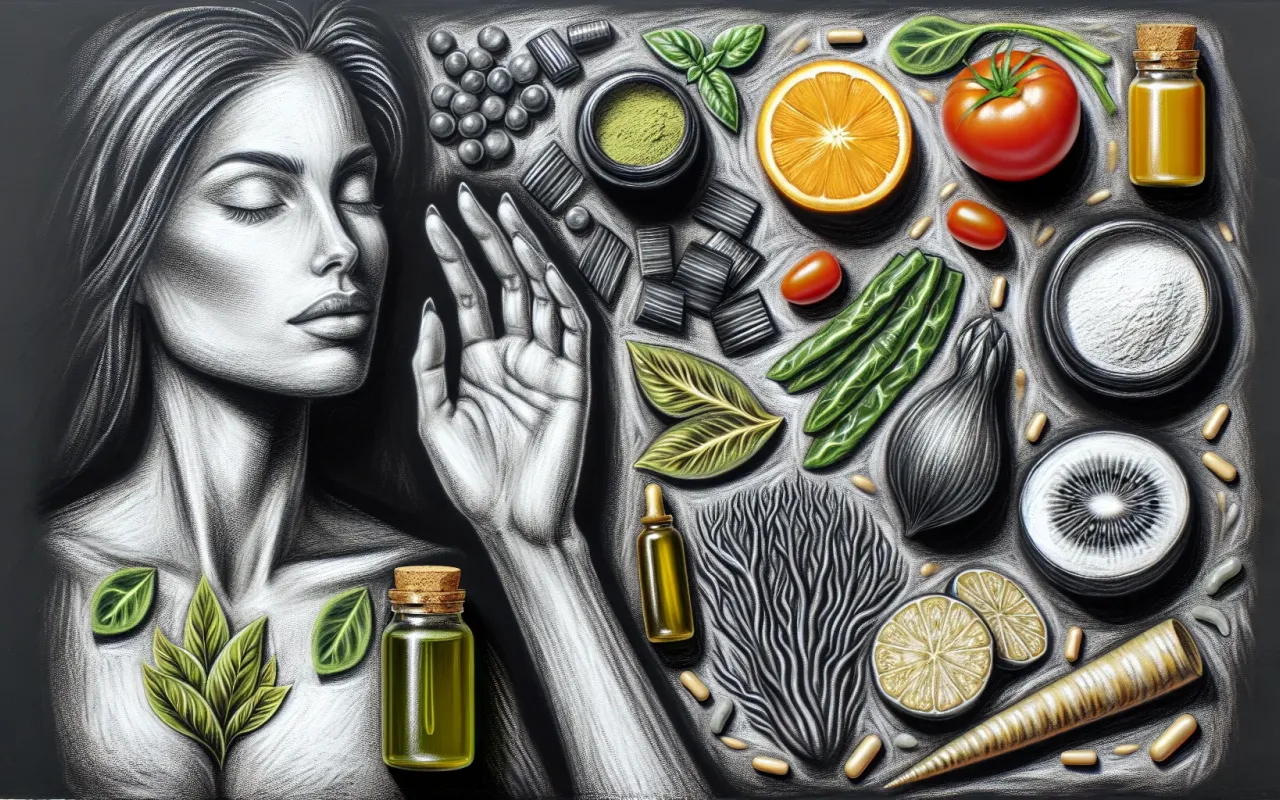
Explore the best vegan collagen supplements alternatives for achieving healthier skin. Understand natural sources and solutions to boost collagen the vegan way.
- August 25, 2024
AceShowbiz - Collagen is a vital protein that plays a significant role in maintaining the structural integrity of the skin, hair, nails, and joints. Traditional sources of collagen supplements are primarily derived from animal products, making them unsuitable for vegans. Fortunately, vegan collagen supplements alternatives have emerged, offering effective solutions for those who follow a plant-based lifestyle. This article will delve into these alternatives, discussing their benefits and how to incorporate them into your routine for healthier skin.
Understanding Collagen and Its Importance
Collagen is the most abundant protein in the human body, responsible for providing skin elasticity, strength, and hydration. As we age, natural collagen production declines, leading to wrinkles, sagging skin, and brittle hair and nails. Hence, supplementing or boosting collagen production can significantly impact one's skin health and overall well-being.
The Challenges for Vegans
Vegans avoid all animal-derived products, making it challenging to find collagen supplements that align with their dietary principles. Most traditional collagen supplements are sourced from bovine, marine, or porcine collagen, excluding vegans from these benefits. However, several plant-based alternatives can stimulate collagen production or provide similar benefits.
Vegan Collagen Supplements Alternatives
1. Amino Acid Supplements
Amino acids are the building blocks of proteins, including collagen. Certain amino acids like glycine, proline, and lysine are crucial for collagen synthesis. Vegan amino acid supplements can help supply these essential components, promoting natural collagen production within the body.
2. Plant-Based Collagen Boosters
Several plants contain compounds that support collagen synthesis. Below are some common sources:
- Aloe Vera: Known for its skin-healing properties, aloe vera can stimulate collagen production when ingested or applied topically.
- Ginseng: This root has anti-aging properties and helps maintain the skin's structural integrity by boosting collagen production.
- Algae: Certain types of algae are packed with nutrients that support skin health and collagen production.
3. Vitamin C
Vitamin C is critical for collagen production as it helps in stabilizing the collagen molecules. Consuming Vitamin C-rich foods like citrus fruits, berries, and leafy greens, or taking Vitamin C supplements, can enhance your body's ability to produce collagen.
4. Silica
Silica, found in foods like cucumber, bell peppers, and tomatoes, is essential for synthesizing collagen and maintaining connective tissue health. Silica supplements can also be a viable option for those looking to boost their collagen levels.
5. Hyaluronic Acid
Hyaluronic acid helps retain moisture and provides the necessary hydration for collagen production. Foods rich in hyaluronic acid, such as sweet potatoes and leafy greens, or hyaluronic acid supplements can be beneficial additions to a vegan collagen-boosting regimen.
6. Antioxidant-Rich Foods
Antioxidants help protect the skin from damage and support the production of new collagen. Consuming antioxidant-rich foods like berries, nuts, seeds, and green tea can help maintain healthy skin.
Benefits of Vegan Collagen Supplements Alternatives
Choosing vegan alternatives comes with a host of benefits that extend beyond dietary preferences:
- Ethical Sourcing: Vegan supplements ensure ethical and sustainable sourcing, aligning with the values of those who advocate for animal rights and environmental conservation.
- Fewer Allergens: Vegan supplements are generally free from common allergens found in animal-based products, making them accessible to a broader audience, including those with allergies.
- Rich in Nutrients: Plant-based sources often come packed with additional nutrients and antioxidants, offering comprehensive health benefits.
How to Incorporate Vegan Collagen Alternatives into Your Routine
1. Balanced Diet
Incorporating a variety of fruits, vegetables, nuts, seeds, and whole grains into your diet can provide the necessary nutrients for your body to produce collagen naturally. A balanced diet rich in Vitamins C, E, and A, as well as zinc and copper, can significantly enhance your skin's health.
2. Supplements
If your diet lacks certain nutrients, consider taking plant-based supplements. Always consult a healthcare professional before starting any new supplement regimen.
3. Hydration
Proper hydration is crucial for maintaining skin elasticity and overall health. Consuming plenty of water and hydrating foods, like cucumbers and melons, can support your skin's natural collagen production.
4. Skincare Routine
Using skincare products that contain vegan collagen-boosting ingredients like aloe vera and hyaluronic acid can provide topical support to enhance your skin's appearance and health.
Conclusion
Vegan collagen supplements alternatives offer a plant-based approach to achieving and maintaining healthy skin. By understanding the importance of collagen and incorporating natural sources and supplements into your lifestyle, you can support your skin's health while adhering to your vegan principles. With balanced nutrition, proper hydration, and a consistent skincare routine, you can enjoy the benefits of healthier, more vibrant skin.
Remember, always consult with a healthcare professional or a registered dietitian before making any significant changes to your diet or supplement regimen to ensure it aligns with your personal health needs.