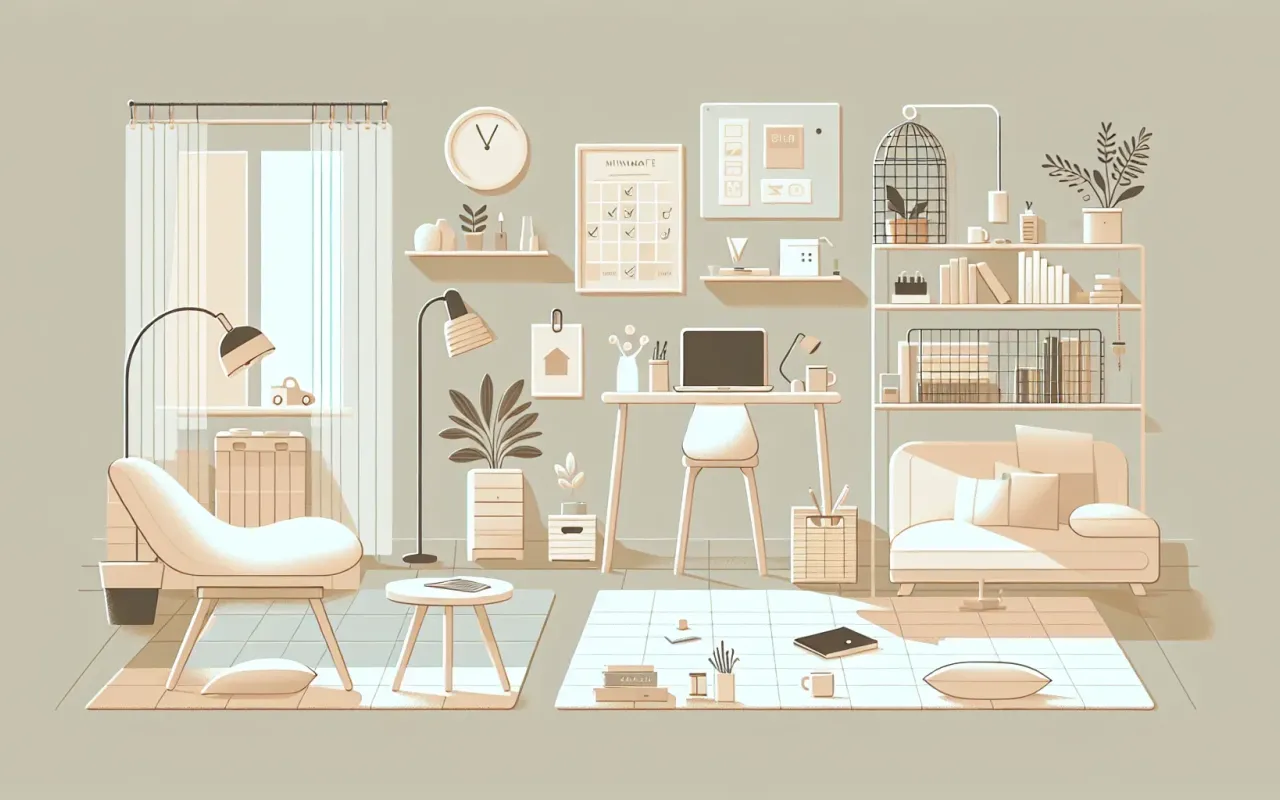
Discover practical tips for achieving a simplified lifestyle for minimalists. Learn how to declutter, prioritize, and focus on what truly matters.
- August 24, 2024
In today's fast-paced world, many people are feeling overwhelmed by the chaos and clutter surrounding them. Adopting a simplified lifestyle for minimalists can bring about a significant positive transformation. This approach focuses on decluttering, prioritizing essentials, and creating a space that promotes tranquility and purpose. Whether you're new to minimalism or looking to refine your current practices, this comprehensive guide will offer valuable insights and actionable steps.
Understanding Minimalism: The Core Principles
Before diving into practical tips, it’s critical to understand the core principles that underpin a minimalist lifestyle.
What is Minimalism?
Minimalism is a lifestyle that encourages you to strip away excess and focus on what truly matters. It is not about living with as few things as possible, but rather about living intentionally and mindfully. By prioritizing value over volume, minimalists aim to create more space for meaningful activities, relationships, and self-growth.
Key Principles of Minimalism
To effectively adopt a simplified lifestyle for minimalists, consider these key principles:
- Intentional Living: Make mindful choices based on your values and long-term goals.
- Decluttering: Remove physical and mental clutter to streamline your environment and thoughts.
- Quality over Quantity: Invest in high-quality, multifunctional items instead of numerous low-quality possessions.
- Simplicity: Embrace simplicity in your daily routines, home décor, and overall life approach.
Practical Tips to Achieve a Simplified Lifestyle
Now that you understand the core principles, let’s explore practical tips to help you achieve a simplified lifestyle for minimalists.
1. Declutter Your Living Space
A clean and organized environment is foundational for a minimalist lifestyle. Decluttering your living space involves removing items that no longer serve a purpose or bring joy.
- Start Small: Begin with a single room or section to avoid feeling overwhelmed. Progress systematically to other areas.
- Donate or Recycle: Give away clothes, kitchen gadgets, and decor items you don’t use or need. Recycle materials where possible.
- Regular Maintenance: Set aside time periodically to review and clear out unnecessary items to maintain your simplified space.
2. Prioritize Essentials
Minimalism is about prioritizing essentials over extras. Evaluate different areas of your life to identify what's truly essential.
- Evaluate Your Wardrobe: Create a capsule wardrobe with versatile pieces you love to wear. Donate or sell items you seldom use.
- Quality Time: Focus your energy on relationships and activities that bring you joy and fulfillment. Learn to say no to engagements that don't align with your priorities.
- Financial Prudence: Prioritize essential expenses and avoid indulgent purchases. Consider experiences over material possessions.
3. Simplify Your Daily Routine
Streamlining your everyday activities can considerably reduce stress and enhance productivity.
- Morning and Evening Rituals: Develop simple, yet fulfilling routines to start and end your day positively.
- Task Lists: Use to-do lists to organize your chores and work tasks. Focus on accomplishing a few important tasks each day instead of juggling many.
- Digital Detox: Limit screen time by setting boundaries for social media and mobile device use.
4. Invest in Multi-Functional Items
Quality over quantity is a guiding principle of minimalism. Invest in multi-functional items that serve more than one purpose.
- Furniture: Opt for furniture pieces that double as storage, such as ottomans or bed frames with drawers.
- Kitchenware: Select versatile kitchen tools and appliances. A high-quality chef's knife can often replace several specialized tools.
- Clothing: Choose apparel that can be mixed and matched for different occasions, reducing the need for an extensive wardrobe.
5. Mindful Consumption
Adopting mindful consumption habits can help you make more intentional purchasing decisions.
- Question Necessity: Before buying anything new, ask yourself whether it is essential and will add lasting value to your life.
- Opt for Experiences: Instead of spending on material goods, invest in experiences like travel, learning, or hobbies.
- Buy Second-hand: Look for gently used items to reduce waste and cost.
Overcoming Common Challenges
While transitioning to a simplified lifestyle for minimalists can be highly rewarding, it is not without its challenges. Here are some common obstacles and how to overcome them.
Emotional Attachment
Emotional attachment to items can make decluttering challenging. To manage this, focus on the benefits of a simplified life and consider taking incremental steps.
Social Pressure
Minimalism can sometimes seem at odds with societal expectations of consumerism and accumulation. Stay true to your values and seek out supportive communities or groups.
Initial Overwhelm
Starting the journey toward minimalism can feel daunting. Break down the process into manageable steps and celebrate small victories along the way.
Conclusion: Embrace the Rewards of a Simplified Lifestyle
Adopting a simplified lifestyle for minimalists offers numerous benefits, from reduced stress and increased clarity to a deeper appreciation for what truly matters. By embracing the core principles of minimalism and implementing practical strategies for decluttering, prioritizing essentials, and mindful consumption, you can create a more harmonious and fulfilling life. Remember, minimalism is a personal journey, and the key is to make intentional choices that align with your values and needs.