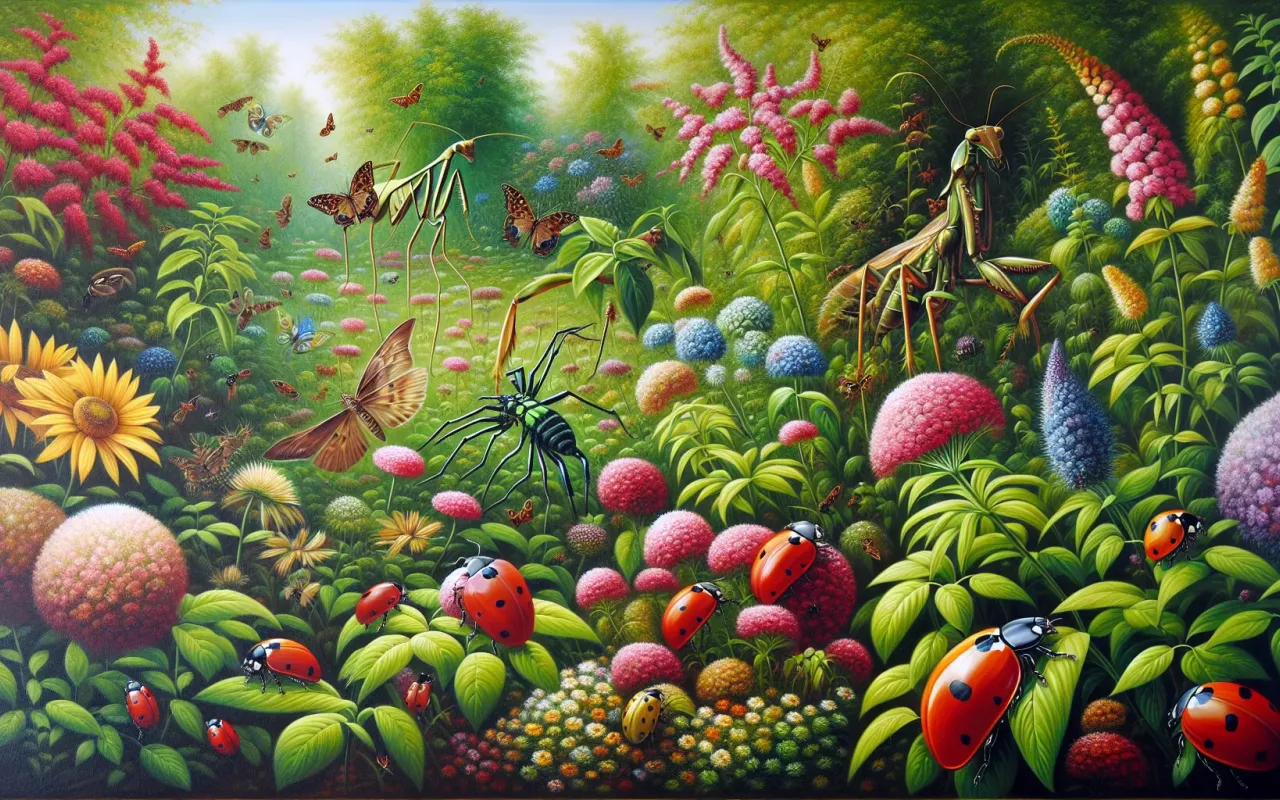
Discover effective organic pest control for gardens with our guide. Learn natural methods to protect your plants and maintain a healthy garden environment.
- August 24, 2024
Gardening can be incredibly rewarding, but it also comes with its fair share of challenges, particularly when it comes to pest control. Many gardeners are turning to organic pest control methods to protect their plants while maintaining a healthy and eco-friendly garden environment. This article aims to provide you with effective strategies and solutions for organic pest control in your garden.
The Importance of Organic Pest Control
Organic pest control is crucial not only for the health of your garden but also for the environment. Traditional pesticides can have adverse effects on beneficial insects, soil health, and even human health. By opting for organic methods, you create a balanced ecosystem in your garden, allowing your plants to thrive naturally.
Identifying Common Garden Pests
Before you can effectively control pests, it's essential to know what you're dealing with. Common garden pests include:
- Aphids: Small, soft-bodied insects that suck sap from plants.
- Slugs and Snails: Mollusks that feed on plant leaves and stems.
- Whiteflies: Tiny, white flies that can cause leaf yellowing and stunting.
- Caterpillars: Larvae of butterflies and moths that chew through leaves.
- Mites: Tiny arachnids that cause yellowing and stippling on leaves.
Identifying these pests early on is critical to effectively managing their populations.
Preventive Measures for Organic Pest Control
Prevention is the first line of defense when it comes to organic pest control for gardens. Implementing these strategies can significantly reduce pest problems:
1. Healthy Soil
Healthy soil promotes strong and resilient plants less susceptible to pest attacks. Enrich your soil with organic compost and mulch to maintain soil fertility and moisture levels.
2. Companion Planting
Companion planting involves growing certain plants together to deter pests. For example, marigolds can repel aphids, and basil can deter mosquitoes and flies. Research companion plants that are beneficial to your specific garden setup.
3. Crop Rotation
Crop rotation helps prevent the buildup of pests and diseases in the soil. Avoid planting the same type of plant in the same spot year after year. This practice disrupts pest life cycles and reduces their populations.
Natural Pest Control Methods
There are several natural methods you can use to control pests organically:
1. Handpicking
For larger pests like caterpillars and slugs, handpicking can be very effective. Wear gloves and remove pests from plants manually.
2. Homemade Sprays
Homemade sprays using ingredients like neem oil, garlic, and soap can be effective against various pests. For example, a solution of neem oil and water can deter aphids and mites.
3. Beneficial Insects
Introduce beneficial insects such as ladybugs, lacewings, and predatory wasps to your garden. These insects prey on harmful pests and help maintain a healthy garden ecosystem.
4. Diatomaceous Earth
Diatomaceous earth is a natural powder made from fossilized algae. It can be sprinkled around plants to deter slugs, snails, and other garden pests.
Using Organic Pesticides
When preventive measures and natural methods are not enough, organic pesticides can be a viable option. Always choose organic products that are safe for beneficial insects and the environment.
1. Insecticidal Soap
Insecticidal soap is effective against soft-bodied insects like aphids, whiteflies, and mites. It works by breaking down the insect's outer coating, causing dehydration.
2. Neem Oil
Neem oil is a natural insecticide derived from the neem tree. It targets a wide range of pests and can also prevent fungal infections.
3. Bacillus thuringiensis (Bt)
Bacillus thuringiensis is a naturally occurring bacterium that produces toxins lethal to caterpillars and other insect larvae. It's safe for humans and non-target wildlife.
Maintaining a Balanced Ecosystem
Maintaining a balanced ecosystem is vital for long-term pest control. Encourage biodiversity by planting a variety of plants and providing habitats for beneficial insects and wildlife. A healthy garden is less likely to suffer from severe pest problems.
Monitoring and Regular Maintenance
Regular monitoring and maintenance are crucial for effective pest control:
- Inspect Plants Regularly: Check your plants frequently for signs of pests and take prompt action if you notice any issues.
- Remove Affected Plants: If a plant is severely infested, remove it to prevent the pests from spreading to other plants.
- Prune and Clean: Prune affected areas and remove fallen leaves and debris that can harbor pests.
Conclusion
Organic pest control for gardens is an effective way to protect your plants naturally while promoting a healthy ecosystem. By implementing preventive measures, using natural methods, and maintaining regular garden care, you can effectively manage pests without resorting to harmful chemicals. Embrace these organic practices to nurture your garden and enjoy bountiful, healthy plants.