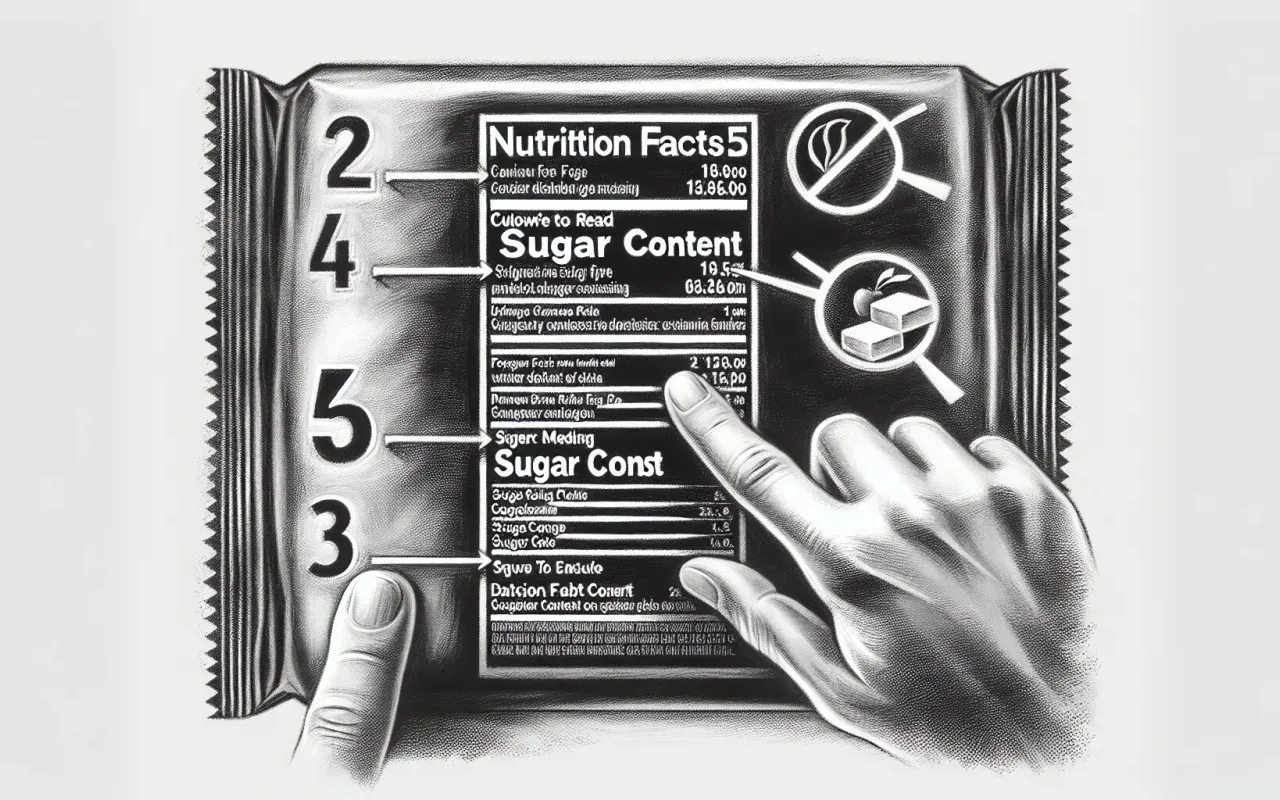
Learn how to read sugar content on food labels with our comprehensive step-by-step guide. Empower yourself with knowledge on sugar content and make healthier choices.
- August 24, 2024
Understanding how to read sugar content on food labels is crucial for maintaining a healthy diet. With the abundance of prepackaged foods available today, it’s easy to consume more sugar than you realize. This guide will help you navigate food labels, understand different types of sugars, and make informed dietary choices.
Why It’s Important to Monitor Sugar Intake
Excessive sugar consumption is linked to a variety of health problems, including obesity, type 2 diabetes, heart disease, and dental issues. By learning how to read sugar content on food labels, you can reduce your risk of these health complications.
Understanding Food Labels
What to Look For
Food labels provide essential information about the nutritional content of food items. Here are the key components to focus on when checking for sugar content:
- Nutrition Facts Panel: This section provides detailed information about the amount of sugars contained in a serving of the product.
- Ingredients List: Ingredients are listed in descending order of weight. Look for sugar and its many aliases in this list.
The Different Types of Sugars
Not all sugars are labeled simply as "sugar." Here are some other names to be aware of:
- Sucrose
- High-fructose corn syrup
- Glucose
- Fructose
- Maltose
- Lactose
- Dextrose
- Malt syrup
- Agave nectar
A Step-by-Step Guide
Step 1: Locate the Nutrition Facts Panel
The first step in understanding sugar content is locating the Nutrition Facts Panel, usually on the side or back of the packaging.
Step 2: Check the Serving Size
Before assessing the sugar content, note the serving size. Often, packages contain multiple servings, which can distort the perceived sugar content.
Step 3: Find the Sugars Line Item
Within the Nutrition Facts Panel, there is typically a line item labeled "Total Sugars," which will include both natural and added sugars.
Step 4: Identify Added Sugars
The label may also differentiate between "Total Sugars" and "Added Sugars." Focus on the added sugars, as these contribute more significantly to health issues.
Step 5: Cross-Reference with the Ingredients List
Review the Ingredients List for any hidden sugars. Remember, ingredients are listed by weight, so those appearing earlier on the list are present in higher quantities.
Example Analysis
Let's analyze a sample food label:
- Serving Size: 1 cup (228g)
- Total Sugars: 12g
- Added Sugars: 6g
In this example, there are 12 grams of total sugars per serving, half of which are added sugars. By being aware of both the total and added sugars, you can make more informed dietary choices.
Tips for Reducing Sugar Intake
Aside from reading labels, here are some tips to reduce your sugar intake:
- Choose fresh, whole foods over processed items.
- Opt for unsweetened versions of your favorite products.
- Use natural sweeteners like fruit in place of added sugars.
- Gradually reduce the sugar content in homemade recipes.
Conclusion
Understanding how to read sugar content on food labels is an essential skill for anyone looking to maintain a healthy diet. By carefully examining the Nutrition Facts Panel and Ingredients List, you can identify and reduce your sugar intake, ultimately leading to better health outcomes.