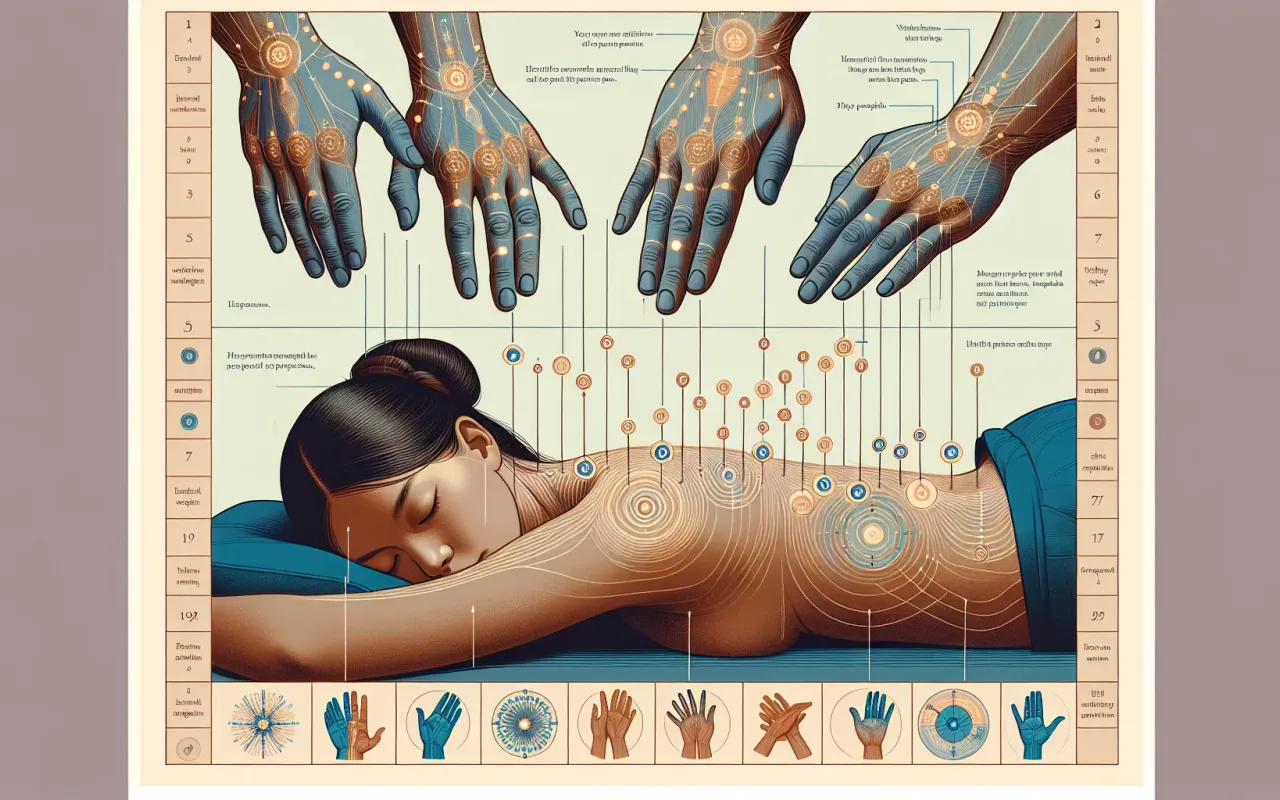
Discover a comprehensive step-by-step guide on how to practice hands-on healing for beginners. Learn techniques, tips, and benefits from experts.
- August 24, 2024
AceShowbiz - In recent years, hands-on healing has gained immense popularity, not just as an alternative therapy but as a complementary approach to traditional medical treatments. Whether you're seeking to help others or enhance your own well-being, learning how to practice hands-on healing can be a transformative journey. This comprehensive guide will provide you with the essential steps and knowledge to get started.
What is Hands-On Healing?
Hands-on healing, also known as energy healing or therapeutic touch, involves using the healer's energy to promote physical, emotional, and spiritual healing in the recipient. The practice is based on the belief that healers can channel positive energy into the patient to assist in the healing process. It is rooted in ancient traditions and is practiced worldwide in various forms such as Reiki, Healing Touch, and Quantum-Touch.
Benefits of Hands-On Healing
Practicing hands-on healing offers numerous benefits, including:
- Stress Reduction: Promotes relaxation and reduces stress levels.
- Improved Well-being: Enhances overall emotional and physical health.
- Pain Relief: Can alleviate chronic pain and discomfort.
- Enhanced Clarity: Promotes mental clarity and emotional balance.
- Spiritual Growth: Deepens spiritual connections and awareness.
Preparing for Hands-On Healing
1. Understanding the Basics
Before embarking on your hands-on healing journey, it's essential to understand the fundamental principles. Research different modalities such as Reiki, Healing Touch, and Quantum-Touch to determine which aligns best with your beliefs and goals.
2. Setting Intentions
Intention is a powerful component of hands-on healing. Set clear intentions for your healing practice, whether it's to promote relaxation, alleviate pain, or support emotional well-being. Your intention will guide your energy and focus during the healing process.
3. Creating a Healing Space
Choose a quiet, comfortable space free from distractions. Ensure the environment is clean, calm, and conducive to relaxation. You might add elements such as soothing music, candles, or aromatherapy to enhance the ambiance.
4. Self-Awareness and Grounding
Before conducting healing sessions, practice self-awareness and grounding exercises. This involves centering yourself and becoming present in the moment. Techniques such as meditation, deep breathing, and visualization can help you achieve a grounded state.
Step-by-Step Guide to Practicing Hands-On Healing
1. Learning Techniques
Different hands-on healing modalities involve specific techniques. For example, in Reiki, practitioners use hand positions over various parts of the body. Consider enrolling in a certified course or workshop to learn these techniques from experienced instructors.
2. Attuning to Energy
Attunement, also known as initiation, is a crucial step in practices like Reiki. This process opens your energy channels, allowing you to access and channel healing energy effectively. Attunements are typically performed by a qualified Reiki Master or an experienced practitioner.
3. Scanning the Body
Begin by scanning the recipient's body with your hands to sense energy imbalances or areas of discomfort. Trust your intuition and pay attention to any sensations such as warmth, tingling, or coolness. This will guide you to the areas that need healing.
4. Hand Positions and Techniques
Use specific hand positions and techniques based on the chosen modality. For Reiki, common positions include the head, shoulders, and along the major chakras. In Healing Touch, you might use techniques like hands-in-motion or magnetic passes. Always prioritize the comfort and consent of the recipient.
5. Channeling Healing Energy
As you place your hands on or near the recipient, focus on channeling healing energy. Visualize a flow of positive energy from the universe, through your body, and into the recipient. Maintain a calm and focused state, trusting in the healing process.
6. Closing the Session
Once the session is complete, gently remove your hands and thank the recipient. It's essential to close the session respectfully and allow the recipient some time to integrate the healing experience. You might also perform a brief grounding exercise to help the recipient return to their regular state.
Ethical Considerations in Hands-On Healing
1. Informed Consent
Always obtain informed consent from the recipient before conducting a hands-on healing session. Ensure they understand the nature of the practice and any potential sensations they may experience.
2. Professional Boundaries
Maintain professional boundaries to create a safe and respectful environment for healing. Avoid making medical diagnoses or promises of specific outcomes, and respect the recipient's comfort levels and personal space.
3. Continuous Learning
Hands-on healing is a continuous learning journey. Stay updated with the latest research, techniques, and ethical guidelines in the field. Consider joining professional associations and attending workshops to deepen your knowledge and skills.
Conclusion
Learning how to practice hands-on healing is a deeply rewarding experience that enables you to promote well-being in yourself and others. By following this step-by-step guide, setting clear intentions, and continuously honing your skills, you can effectively channel healing energy and make a positive impact. Remember, the key to successful hands-on healing lies in practice, patience, and a genuine intent to heal.