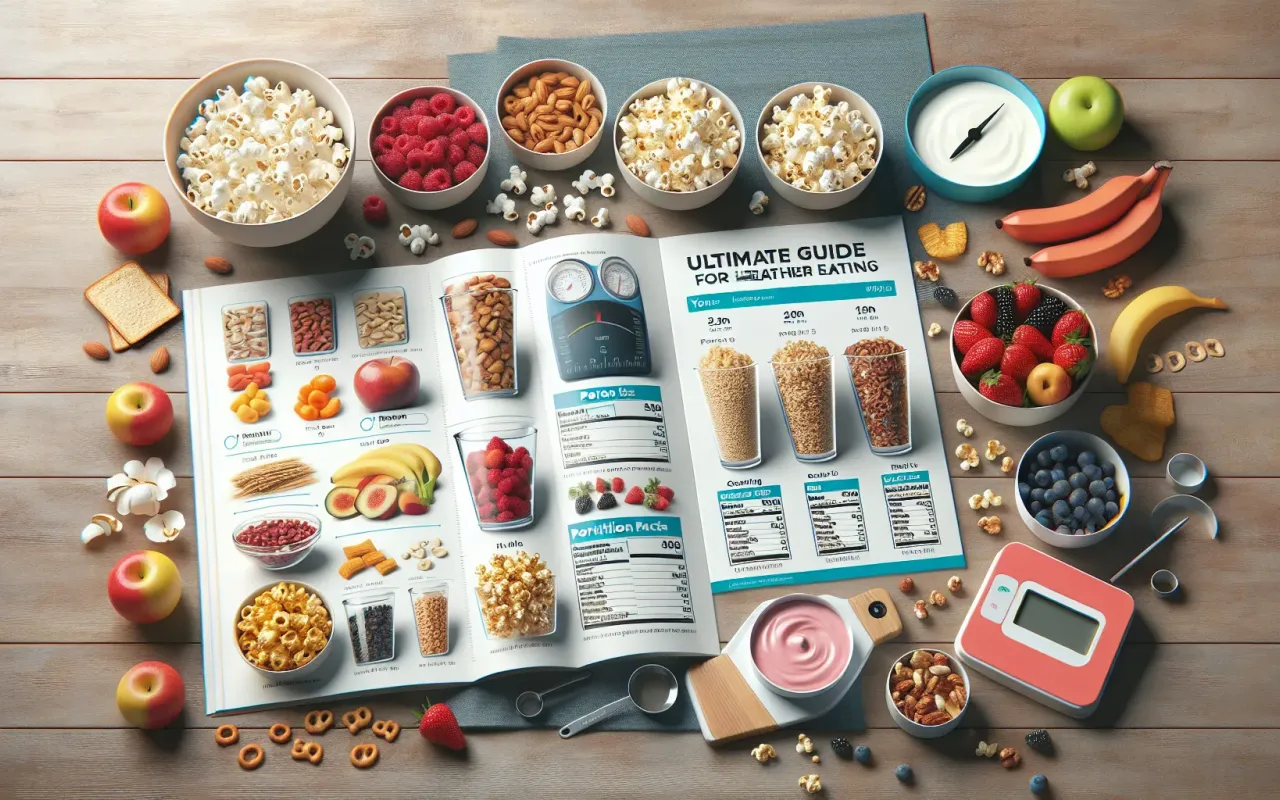
Discover the ultimate guide to measuring snack portions for healthier eating. Learn practical tips and strategies to manage your snack intake effectively.
- August 24, 2024
AceShowbiz - Effective snack portion control can significantly contribute to healthier eating. In this ultimate guide, we’ll explore practical methods and tips for measuring snack portions to support your health goals. With a combination of expert advice and scientifically-backed strategies, you can enjoy your favorite snacks without compromising your well-being.
Why Measuring Snack Portions Matters
Snacking can be both a boon and a bane. While snacks can help keep energy levels stable between meals, overeating can lead to an excess intake of calories and unhealthy weight gain. Understanding how to measure snack portions allows you to enjoy treats in moderation, maintaining a balanced diet.
The Basics of Portion Control
Portion control involves understanding the ideal quantity of food to consume in one sitting. Often, snack packaging can be misleading, presenting large portions that contribute to overconsumption. Learning to accurately measure snacks can help mitigate this issue.
Common Tools for Measuring Snacks
- Measuring Cups and Spoons: Essential kitchen tools that provide a precise measure of volume.
- Food Scales: Accurate devices for measuring snack weight.
- Hand Portion Guides: Practical techniques using your hand to estimate portions, such as a handful of nuts.
Practical Tips for Measuring Snack Portions
Read Nutrition Labels Carefully
Nutrition labels contain valuable information regarding serving sizes and the nutritional content of snacks. Pay attention to the recommended serving size on the label and measure your portions accordingly to avoid overeating.
Use Smaller Plates and Bowls
Research shows that larger plates and bowls can lead to larger portion sizes. Using smaller dishware can trick your brain into perceiving a fuller plate, thereby helping you consume less.
Pre-Portion Snacks
Instead of eating directly from the package, pre-portion your snacks into smaller containers or bags. This creates a physical barrier and helps control the amount you consume.
Track Your Intake
Maintaining a food diary or using a nutrition app can help you stay accountable. Recording your snack portions can provide insights into your eating habits and encourage mindful snacking.
Healthy Snacking Alternatives
Not all snacks are created equal. Opting for healthier alternatives can further support your nutritional goals.
Fruits and Vegetables
Fresh fruits and vegetables are low in calories and high in essential vitamins, minerals, and fiber. Items like carrot sticks, apple slices, and berries make excellent snack choices.
Nuts and Seeds
Nuts and seeds offer healthy fats and protein. Be mindful of portions, as they are calorie-dense. A small handful (about 1 ounce) is usually sufficient.
Yogurt and Cottage Cheese
Low-fat yogurt and cottage cheese are rich in protein and can be paired with fruits, nuts, or honey for added flavor and nutrition.
Conclusion
Measuring snack portions is a crucial aspect of healthy eating. By utilizing practical tools and strategies, you can enjoy your favorite snacks in moderation without compromising your health. Incorporate these tips into your daily routine to manage your snack intake effectively.
Ultimately, portion control combined with mindful eating habits can lead to a more balanced diet and improved well-being. Start by implementing these methods, and observe the positive changes in your overall health and relationship with food.