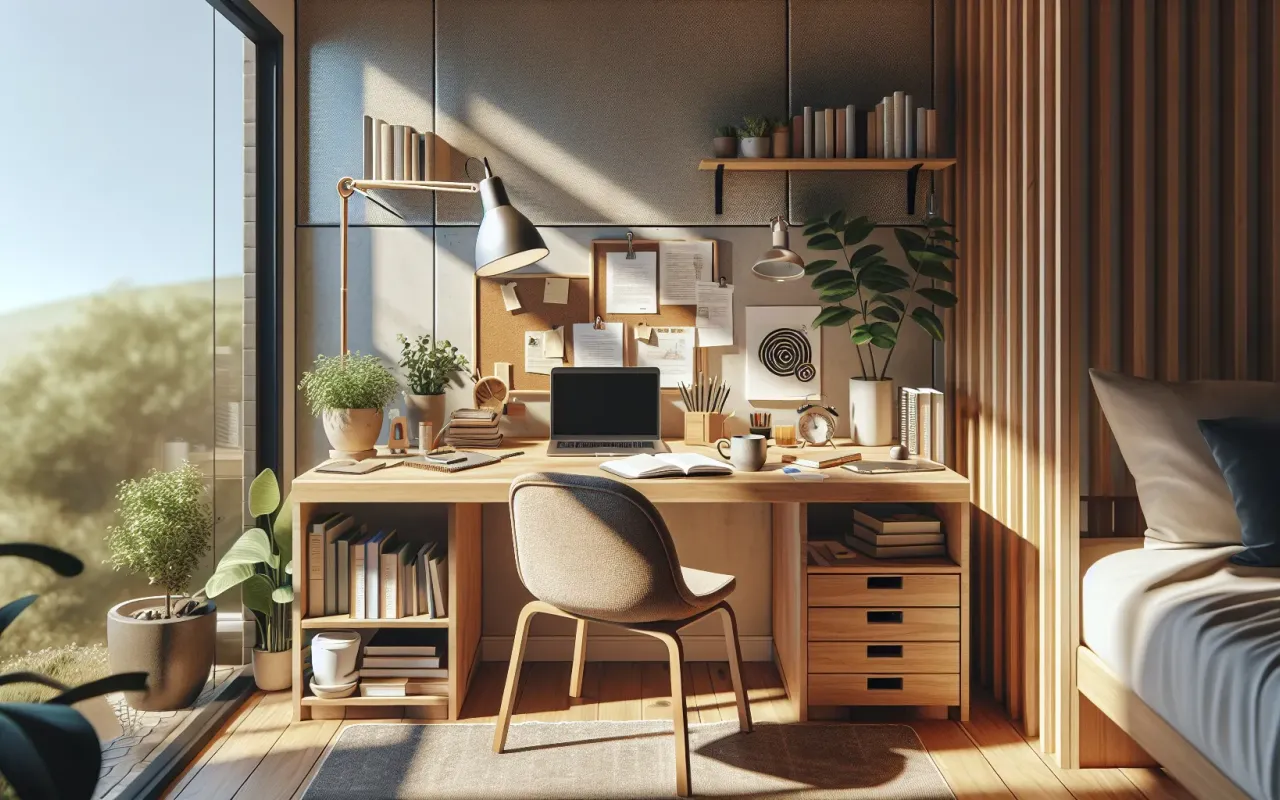
Discover how to create a distraction-free study environment setup to maximize productivity and efficiency with these expert tips and strategies.
- August 24, 2024
Introduction
A well-designed study environment can significantly enhance your productivity and help you maintain focus. In this article, we will explore effective strategies and tips to create a distraction-free study environment setup that allows you to achieve maximum productivity. By implementing these methods, you will be able to eliminate distractions, improve concentration, and manage your time efficiently, leading to better academic performance and personal growth.
The Importance of a Distraction-Free Study Environment
Creating a distraction-free study environment is crucial for maintaining focus and improving efficiency. Distractions such as noise, clutter, and digital interruptions can hinder your ability to concentrate and negatively impact the quality of your work. A well-organized and serene study space promotes mental clarity, enhances cognitive function, and reduces stress, enabling you to make the most of your study sessions.
Key Components of a Distraction-Free Study Environment Setup
1. Choose the Right Location
The location of your study space plays a significant role in minimizing distractions. Select a quiet and secluded area where you are less likely to be interrupted. If possible, avoid high-traffic areas like living rooms or kitchens. Instead, opt for a dedicated study room or a quiet corner in your bedroom that offers privacy and tranquility.
2. Declutter and Organize
Clutter can be a major source of distraction and stress. Ensure your study area is clean and well-organized. Keep only essential items on your desk, such as textbooks, notebooks, and study tools. Use storage solutions like shelves, drawers, and baskets to keep everything neatly arranged. A tidy environment fosters a clear mind and helps you stay focused on your tasks.
3. Optimize Lighting
Proper lighting is essential for creating an effective study environment. Natural light is the best option as it reduces eye strain and enhances mood. Position your desk near a window to take advantage of daylight. If natural light is not available, invest in a good quality desk lamp that provides adequate illumination without causing glare. Consider using adjustable lighting options to customize the brightness according to your needs.
4. Ergonomic Furniture
Comfortable and ergonomic furniture is vital for maintaining concentration and preventing physical discomfort during long study sessions. Choose a supportive chair that promotes good posture and prevents back pain. An adjustable desk and chair will allow you to customize the setup to your body’s needs. Ensure your computer screen is at eye level to avoid neck strain.
5. Minimize Digital Distractions
In today's digital age, electronic devices can be a significant source of distraction. To create a distraction-free study environment, take steps to minimize digital interruptions:
- Turn off non-essential notifications on your devices.
- Use apps or browser extensions that block distracting websites.
- Keep your phone out of reach or in another room while studying.
- Set specific times for checking emails and social media.
6. Establish a Consistent Study Routine
Consistency is key to developing productive study habits. Establish a regular study routine that includes specific times and durations for your study sessions. Having a set schedule helps you mentally prepare and reduces the likelihood of procrastination. Use a planner or digital calendar to organize your tasks and deadlines, ensuring you allocate enough time for each subject or project.
7. Incorporate Breaks and Relaxation
Continuous study without breaks can lead to burnout and decreased productivity. Incorporate short breaks into your study routine to recharge your mind and body. Use techniques like the Pomodoro Technique, which involves 25 minutes of focused study followed by a 5-minute break. During breaks, engage in relaxing activities such as stretching, deep breathing, or stepping outside for fresh air. Regular breaks boost your overall productivity and help maintain a healthy balance.
Additional Tips for Enhancing Your Study Environment
Personalize Your Space
Personalizing your study space can make it more inviting and conducive to productivity. Decorate with motivational quotes, calming colors, or plants that promote a positive ambiance. A study environment that reflects your personality can uplift your mood and make studying more enjoyable.
Use Noise-Canceling Tools
If you are sensitive to noise, consider using noise-canceling headphones or earplugs to block out background sounds. Alternatively, you can play white noise or instrumental music to create a calming auditory environment that enhances focus.
Keep Hydrated and Nourished
Staying hydrated and nourished is essential for maintaining concentration and energy levels. Keep a water bottle within reach and opt for healthy snacks like fruits, nuts, or yogurt to fuel your brain during study sessions. Avoid sugary or caffeine-laden beverages that can lead to energy crashes.
Set Clear Goals and Priorities
Setting clear goals and priorities can help you stay on track and maximize productivity. Break down your tasks into manageable chunks and prioritize them based on deadlines and importance. Use techniques like SMART goals (Specific, Measurable, Achievable, Relevant, Time-bound) to create a structured plan that guides your study sessions effectively.
Conclusion
A distraction-free study environment setup is essential for achieving maximum productivity and enhancing your overall learning experience. By choosing the right location, decluttering, optimizing lighting, using ergonomic furniture, minimizing digital distractions, establishing a consistent routine, and incorporating regular breaks, you can create an environment that fosters focus, clarity, and efficiency. Implement these strategies to transform your study space into a productivity powerhouse and elevate your academic performance.