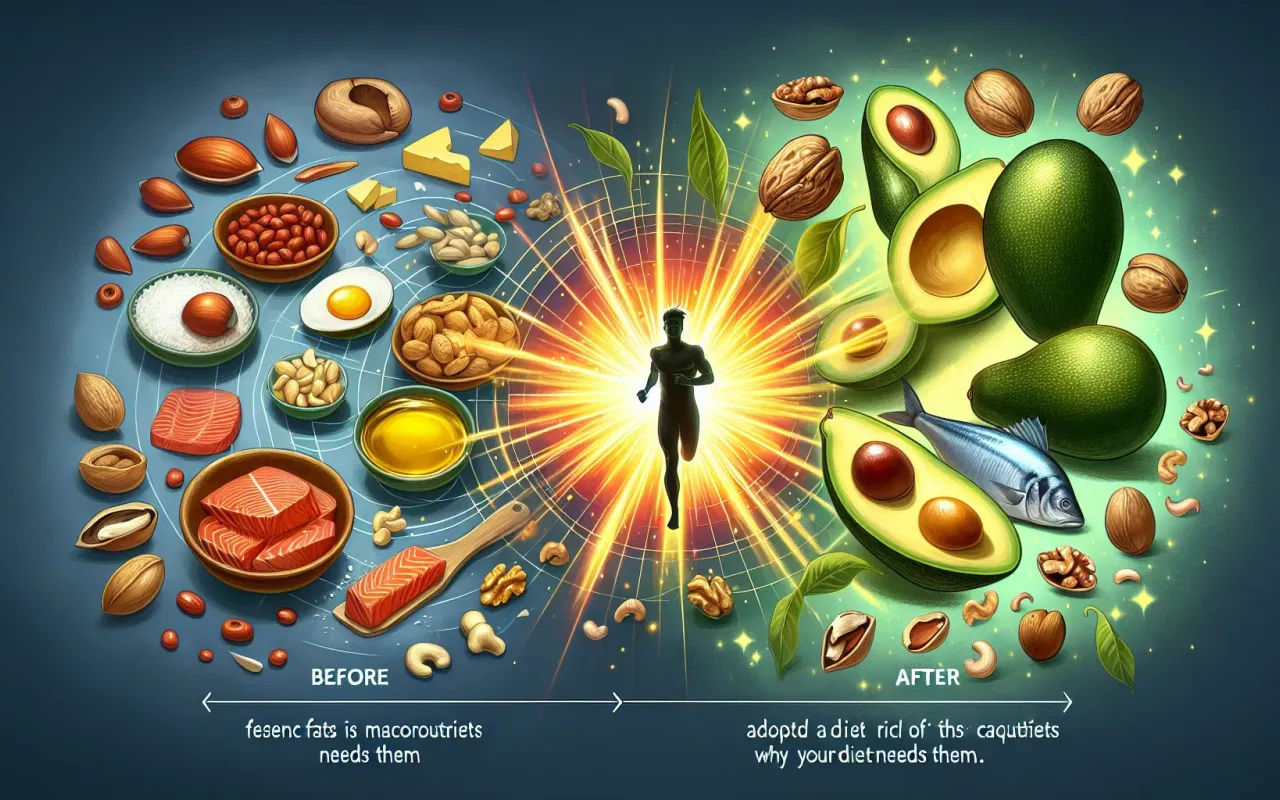
Discover the essential benefits of fats in macronutrients and why they are crucial for a balanced diet. Learn about the different types of fats, their health benefits, and how to incorporate them into your diet effectively.
- August 23, 2024
When discussing nutrition, fats often get a bad rap. However, understanding the essential benefits of fats in macronutrients will empower you to make informed dietary choices that support your health. Contrary to popular belief, fats are indispensable for various bodily functions and overall well-being.
Understanding Macronutrients: The Basics
Macronutrients are the primary nutrients required in substantial amounts to sustain life and maintain health. They include carbohydrates, proteins, and fats. Each macronutrient plays a unique and critical role in our body.
While carbohydrates and proteins often take the spotlight, fats are frequently overlooked or misunderstood. Let's delve deeper into why fats are essential components of our diet.
The Different Types of Fats
It's important to recognize that not all fats are created equal. Understanding the different types of fats is crucial for optimizing your diet.
Saturated Fats
Saturated fats are typically solid at room temperature. They are found in animal products like meat and butter, as well as some plant-based oils such as coconut oil. While excessive consumption of saturated fats has been linked to heart disease, they are still necessary in moderate amounts.
Unsaturated Fats
Unsaturated fats, which include both monounsaturated and polyunsaturated fats, are generally liquid at room temperature and have been shown to promote heart health. Sources include olive oil, avocados, nuts, and fish. They are essential for reducing inflammation and supporting brain function.
Trans Fats
Trans fats are artificially created through hydrogenation, a process that makes oils solid at room temperature to increase shelf life. They are found in many processed foods and are harmful, increasing the risk of cardiovascular diseases. It is best to avoid them entirely.
The Health Benefits of Fats
Fats provide a myriad of health benefits that are vital for our bodily functions. Here are the primary benefits of fats in macronutrients:
Energy Source
Fats are a dense source of energy, providing 9 calories per gram, which is more than twice the energy provided by carbohydrates and proteins. This makes them an efficient fuel for long-term energy storage and usage.
Absorption of Vitamins
Fats are essential for the absorption of fat-soluble vitamins such as A, D, E, and K. These vitamins play critical roles in vision, bone health, cellular function, and blood clotting.
Cellular Health
Cell membranes are composed of lipids, and fats are crucial for maintaining their structure and functionality. They also aid in cell signaling, ensuring that our tissues, muscles, and organs operate efficiently.
Hormone Production
Fats are integral to the production of hormones, including sex hormones and stress hormones. These hormones regulate numerous physiological processes such as metabolism, immune function, and reproduction.
Brain Function
The brain is composed largely of fatty acids, making fats indispensable for cognitive functions such as memory and mood regulation. Essential fatty acids like omega-3s are particularly crucial for brain health.
Incorporating Healthy Fats into Your Diet
Now that you understand the benefits, the next step is to incorporate healthy fats into your diet effectively. Here are some practical tips:
Choose Whole Foods
Opt for whole food sources of fats such as avocados, nuts, seeds, and fatty fish. These foods offer a combination of beneficial nutrients and healthy fats.
Cook with Healthy Oils
Substitute unhealthy cooking oils with healthier options like olive oil or avocado oil. These oils are rich in monounsaturated fats and have high smoke points, making them suitable for cooking.
Snack Smart
Instead of reaching for processed snacks, choose nuts or seeds for a snack. They are both nutrient-dense and provide healthy fats that curb hunger and improve satiety.
Common Misconceptions About Fats
Despite their importance, many misconceptions about fats persist. Here are some myths debunked:
Fats Make You Fat
While fats are calorie-dense, they do not inherently cause weight gain. Overeating any macronutrient can lead to weight gain. The key is to maintain a balanced diet.
All Fats Are Bad
Not all fats are bad for you. Healthy fats are crucial for a balanced diet and contribute to overall well-being. The focus should be on the type and quality of fat consumed.
Low-Fat Diets Are Healthier
Low-fat diets often replace fats with sugar and refined carbohydrates, which can be detrimental to health. A balanced diet that includes healthy fats is more beneficial.
Conclusion
In conclusion, the benefits of fats in macronutrients are extensive and crucial for maintaining overall health. From providing energy to supporting brain function and cellular health, fats play indispensable roles. By understanding the types of fats and incorporating healthy options into your diet, you can enjoy these benefits while debunking common misconceptions.
Empower yourself with knowledge and make informed dietary choices to optimize your health and well-being.