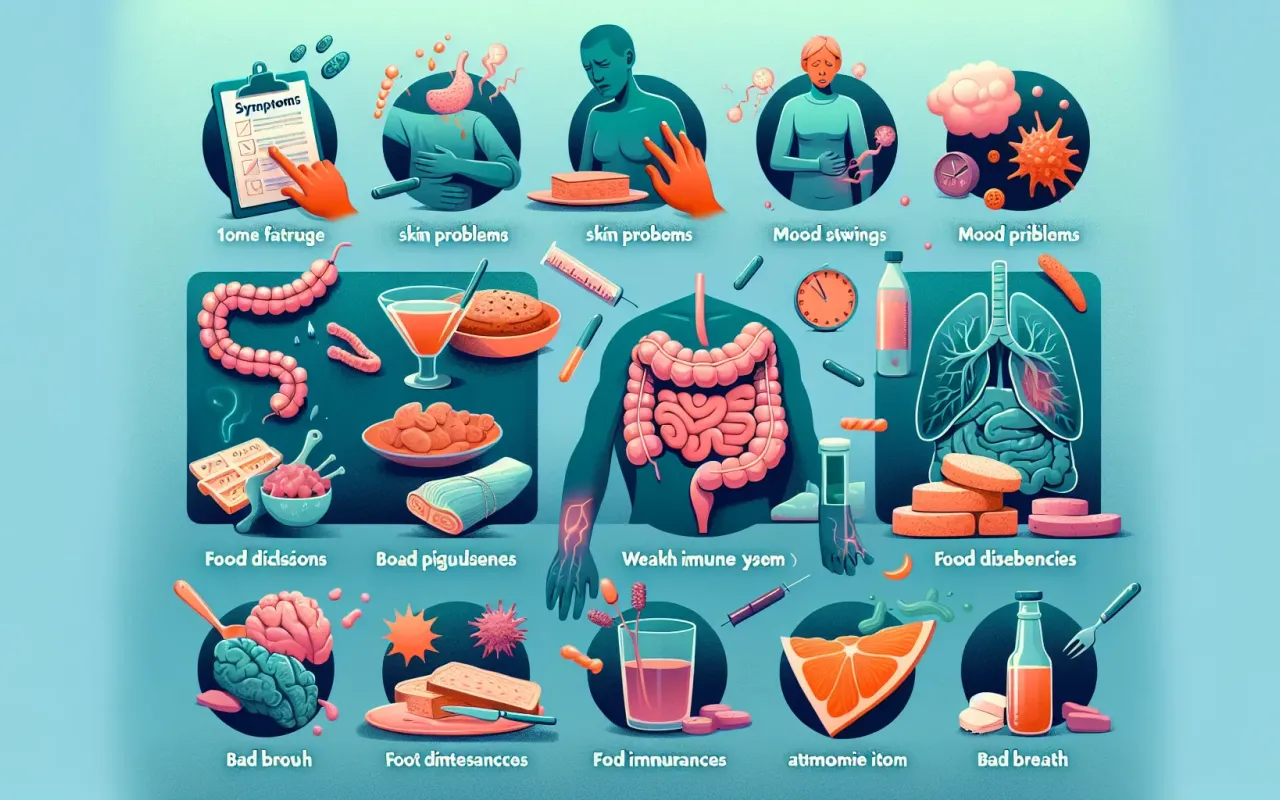
Discover the key symptoms of bad gut flora and learn how to recognize and address them for better digestive health. Stay informed and take action.
- August 23, 2024
Introduction
Maintaining a healthy gut flora is crucial for overall well-being. The complex community of microorganisms residing in your gastrointestinal tract plays a vital role in digestion, immunity, and even mental health. However, when this delicate balance is disrupted, a range of symptoms can indicate that your gut flora is out of sync. In this article, we will explore the top 10 symptoms of bad gut flora that you shouldn't ignore and provide insights into how to restore a healthy gut microbiome.
1. Chronic Digestive Issues
One of the most noticeable signs of an imbalanced gut flora is chronic digestive issues such as bloating, gas, constipation, and diarrhea. These symptoms often arise because the gut bacteria play a crucial role in breaking down food and absorbing nutrients. An imbalance can hamper these processes, leading to discomfort and irregular bowel movements.
2. Unexplained Weight Changes
Both weight gain and weight loss can be symptoms of bad gut flora. Gut bacteria influence how your body digests food, stores fat, and regulates blood sugar. A disruption in gut flora can lead to metabolic issues, causing either unexpected weight gain or difficulty in losing weight.
3. Sleep Disruptions
Believe it or not, your gut health has a significant impact on your sleep patterns. The gut microbiome helps to produce and regulate serotonin, a neurotransmitter that influences sleep and mood. An imbalance in gut flora may result in sleep issues, including insomnia and restless nights.
4. Persistent Fatigue
Feeling consistently tired and sluggish could indicate problems with your gut health. Poor gut flora affects nutrient absorption, leading to deficiencies, and can also cause inflammation, both of which contribute to chronic fatigue.
5. Frequent Infections
The immune system is closely linked with gut health. Approximately 70% of the immune system resides in the gut, so an imbalance in gut flora can weaken your immune response, making you more susceptible to infections and illnesses.
6. Skin Problems
Skin conditions like acne, eczema, and rosacea can often be traced back to gut health. An unhealthy gut can lead to systemic inflammation, which may manifest as various skin issues. Restoring balance in the gut may help improve these skin conditions.
7. Food Intolerances
Developing new food intolerances can be a warning sign of bad gut flora. An imbalanced microbiome may struggle to properly digest certain foods, leading to symptoms like bloating, gas, and stomach pain after eating specific items.
8. Sugar Cravings
Craving sugar more than usual can indicate a disruption in gut flora. Certain harmful bacteria and yeast thrive on sugar and may influence your cravings, potentially leading to an unhealthy cycle of sugar consumption and further imbalances.
9. Mood Swings and Anxiety
The gut-brain axis is a communication network that links the gut and the brain. An imbalanced gut flora can affect this connection, leading to symptoms like mood swings, irritability, anxiety, and even depression.
10. Autoimmune Conditions
An unhealthy gut may contribute to the development or exacerbation of autoimmune conditions. The gut lining acts as a barrier, preventing harmful substances from entering the bloodstream. When the gut flora is imbalanced, this barrier can become compromised, potentially triggering autoimmune responses.
Restoring Gut Health
Add Probiotics and Prebiotics
Supporting your gut flora with probiotics (which introduce beneficial bacteria) and prebiotics (which feed good bacteria) can help restore balance. Foods like yogurt, kefir, sauerkraut, and fiber-rich vegetables are excellent choices.
Adopt a Balanced Diet
Eating a diverse and balanced diet rich in fruits, vegetables, lean proteins, and whole grains provides essential nutrients that support gut health. Avoid processed foods and excessive sugar, which can disrupt gut flora.
Stay Hydrated
Drinking plenty of water is crucial for maintaining a healthy digestive system. Water aids in digestion, nutrient absorption, and the effective elimination of waste.
Manage Stress
Stress negatively impacts gut health, as the gut and brain are interconnected. Practices like meditation, exercise, and mindfulness can help reduce stress levels and promote a healthier gut.
Consider Professional Guidance
If symptoms persist, consulting with a healthcare professional or a gastroenterologist can provide personalized advice and treatment options. They may recommend specific tests to diagnose any underlying issues with your gut flora.
Conclusion
Maintaining a healthy gut flora is essential for your overall health and well-being. Recognizing the symptoms of bad gut flora and taking proactive steps to restore balance can lead to improved digestion, immunity, and even mental health. By incorporating probiotics, eating a balanced diet, staying hydrated, managing stress, and seeking professional advice when needed, you can support a thriving gut microbiome and enhance your quality of life.