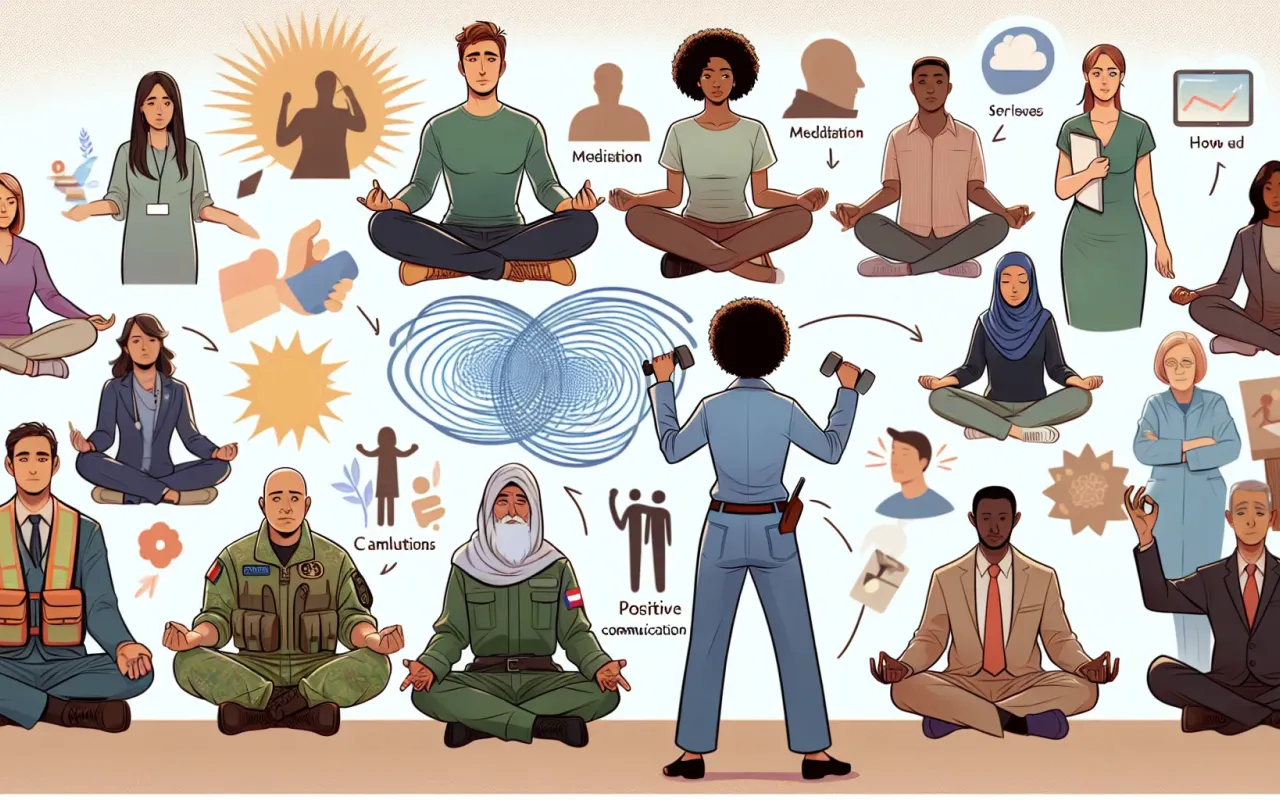
Discover 10 effective resilience tools to bounce back quickly and thrive in any situation. Learn how to build mental strength and overcome life's challenges with these practical tips and strategies.
- August 23, 2024
AceShowbiz - Resilience is an essential life skill that helps individuals navigate challenges, adapt to new circumstances, and recover from setbacks. Whether you're facing personal hardships, professional obstacles, or global uncertainties, having the right resilience tools at your disposal can make a significant difference in how you cope and ultimately thrive. In this article, we'll explore ten proven resilience tools to bounce back quickly and flourish in any situation.
1. Mindfulness Meditation
Mindfulness meditation involves focusing on the present moment with acceptance and without judgment. Practicing mindfulness can help reduce stress, increase self-awareness, and enhance emotional regulation. By incorporating mindfulness into your daily routine, you can build mental resilience and remain calm under pressure.
How to Practice Mindfulness Meditation
- Set aside a few minutes each day to sit quietly and focus on your breath.
- Observe your thoughts and feelings without judgment.
- Return your attention to your breath whenever your mind wanders.
2. Social Support Network
Having a strong social support network is crucial for resilience. Connecting with friends, family, and colleagues provides emotional support, practical assistance, and a sense of belonging. Building and maintaining these connections can help you feel more grounded and less isolated during challenging times.
Ways to Build Your Social Support Network
- Join clubs, groups, or communities that share your interests.
- Stay in touch with loved ones through regular communication.
- Be open to receiving help and offering support in return.
3. Physical Exercise
Exercise is a powerful resilience tool that benefits both the body and mind. Regular physical activity releases endorphins, reduces stress, and improves mood. It also provides a healthy outlet for managing anxiety and frustration.
Incorporating Exercise into Your Routine
- Choose activities you enjoy, such as walking, running, or yoga.
- Set realistic fitness goals and gradually increase your activity level.
- Incorporate movement throughout your day, such as taking the stairs or having walking meetings.
4. Positive Thinking
Adopting a positive mindset can significantly impact your resilience. Positive thinking involves focusing on the good aspects of a situation and maintaining hope for the future. It helps counteract negative thoughts and promotes a more optimistic outlook.
Tips for Cultivating Positive Thinking
- Practice gratitude by acknowledging what you're thankful for each day.
- Challenge negative thoughts and replace them with positive affirmations.
- Surround yourself with positive influences and avoid negativity.
5. Problem-Solving Skills
Effective problem-solving skills are vital for resilience. They empower you to identify challenges, analyze options, and take proactive steps to address issues. By honing your problem-solving abilities, you become more adept at navigating difficulties and finding solutions.
Developing Problem-Solving Skills
- Break down complex problems into manageable parts.
- Consider multiple perspectives and brainstorm potential solutions.
- Evaluate the pros and cons of each option and choose the best course of action.
6. Flexibility and Adaptability
Being flexible and adaptable allows you to respond effectively to changing circumstances. Flexibility involves openness to new ideas and approaches, while adaptability refers to the ability to adjust and thrive in different environments.
Enhancing Flexibility and Adaptability
- Embrace change as an opportunity for growth and learning.
- Cultivate a willingness to step outside your comfort zone.
- Stay informed and be open to new information and perspectives.
7. Self-Compassion
Self-compassion is the practice of treating yourself with kindness and understanding during difficult times. It involves recognizing that setbacks and failures are part of the human experience and not a reflection of your worth.
Practicing Self-Compassion
- Acknowledge your feelings without self-criticism.
- Remind yourself that mistakes are a natural part of life.
- Engage in self-care activities that nurture your mind, body, and spirit.
8. Goal Setting
Setting and working towards goals provides direction and motivation. Clear goals help you focus on what you want to achieve and create a sense of purpose, which is essential for resilience.
Effective Goal Setting Strategies
- Set SMART goals (Specific, Measurable, Achievable, Relevant, Time-bound).
- Break goals into smaller, actionable steps.
- Monitor your progress and adjust your plans as needed.
9. Emotional Regulation
Emotional regulation is the ability to manage and respond to your emotions in healthy ways. Developing this skill helps you stay composed and make rational decisions, even in stressful situations.
Techniques for Emotional Regulation
- Practice deep breathing exercises to calm your nervous system.
- Identify and label your emotions to better understand them.
- Engage in activities that help you process and release emotions, such as journaling or talking to a trusted friend.
10. Resilience Training Programs
There are various resilience training programs available that provide structured guidance on building resilience. These programs often combine elements of cognitive-behavioral therapy, mindfulness, and other evidence-based practices to enhance your resilience toolkit.
Finding Resilience Training Programs
- Research programs offered by reputable organizations and professionals.
- Consider both online and in-person options based on your preferences.
- Look for programs that offer personalized support and follow-up resources.
Conclusion
Building resilience is an ongoing process that requires intention, effort, and practice. By incorporating these ten resilience tools into your life, you can enhance your ability to bounce back quickly and thrive in any situation. Remember that resilience is not about avoiding difficulties but rather developing the strength and adaptability to overcome them. Start with small steps, and over time, you'll cultivate a resilient mindset that empowers you to face life's challenges with confidence and grace.