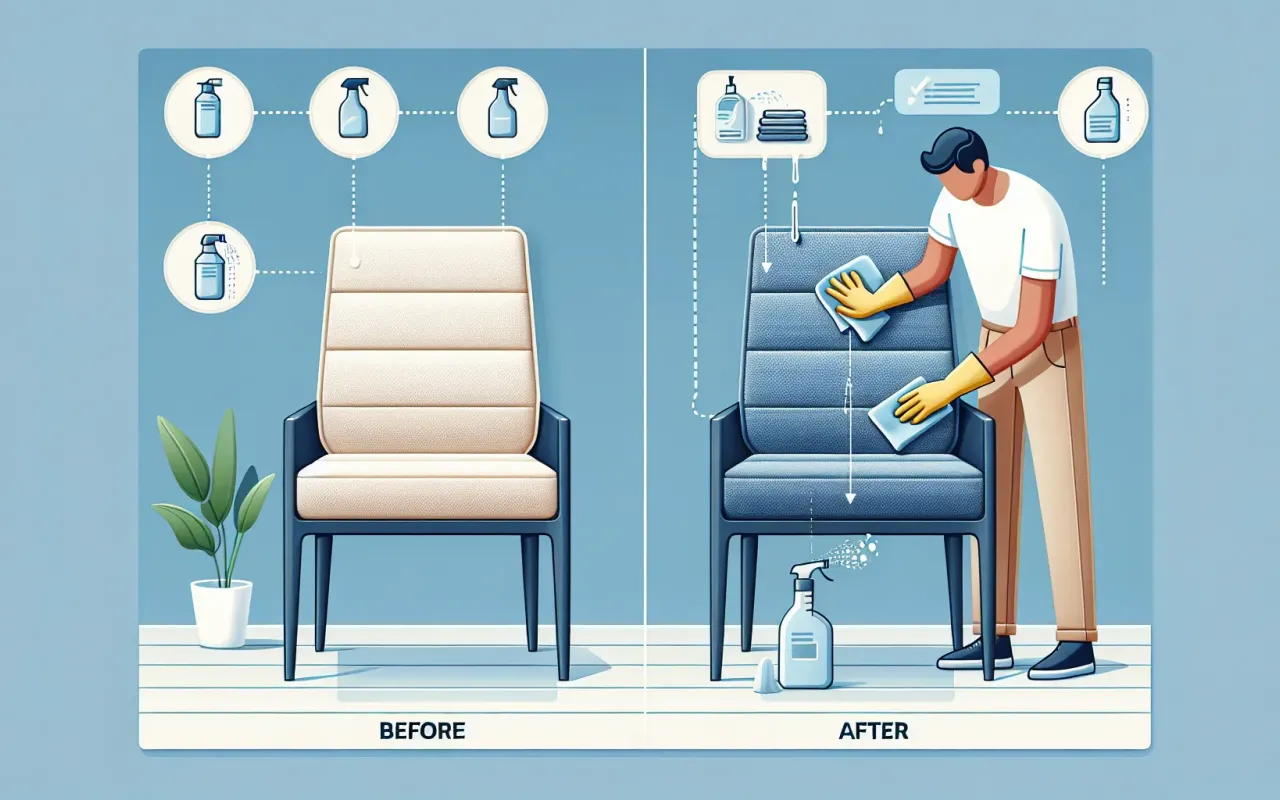
Discover expert upholstery cleaning tips and tricks to keep your furniture looking fresh and new. Learn how to remove stains, prevent damage, and maintain quality.
- August 22, 2024
AceShowbiz - Upholstery is an essential aspect of home decor that adds style and comfort to your living spaces. However, it also tends to attract dust, stains, and allergens over time. Keeping your upholstered furniture clean can be a daunting task, but with the right techniques and knowledge, you can maintain its appearance and extend its lifespan. In this article, we provide expert upholstery cleaning tips and tricks to rejuvenate your furniture. From understanding fabric types to tackling stubborn stains, you'll find all the information you need right here.
Understanding Upholstery Fabric Types
Before diving into specific cleaning methods, it is crucial to identify the type of fabric your furniture is made from. Different fabrics require different cleaning approaches to prevent damage.
Common Upholstery Fabrics
Here are common types of upholstery fabrics and their general cleaning guidelines:
- Cotton: A durable and breathable fabric but can be prone to stains. Use mild detergent and cold water for cleaning.
- Linen: Known for its strength but wrinkles easily. Opt for dry cleaning or spot cleaning with a fabric cleaner.
- Leather: Luxurious and long-lasting if properly maintained. Use a leather conditioner and avoid water-based cleaners.
- Microfiber: Stain-resistant and easy to clean. Use a mild soap solution and avoid water saturation.
- Velvet: Elegant but high maintenance. Dry clean or use a specialized velvet cleaner.
Basic Upholstery Cleaning Tips
Here are some fundamental upholstery cleaning tips to keep your furniture looking fresh and new:
1. Regular Vacuuming
Frequent vacuuming is essential to remove dust, crumbs, and pet hair from your furniture. Use a vacuum with a brush attachment to avoid damaging the fabric. Pay special attention to crevices and seams where debris tends to accumulate.
2. Prompt Stain Treatment
Address spills and stains immediately to prevent them from setting into the fabric. Blot the stain gently with a clean cloth to absorb as much liquid as possible. Avoid rubbing, as it can spread the stain and damage the fabric fibers.
Advanced Upholstery Cleaning Techniques
For deeper cleaning and handling stubborn stains, consider the following advanced techniques:
3. Steam Cleaning
Steam cleaning is effective for removing dirt and allergens deeply embedded in the fabric. Rent or purchase a steam cleaner specifically designed for upholstery. Follow the manufacturer's instructions and allow sufficient drying time to prevent mold growth.
4. DIY Cleaning Solutions
You can create your own upholstery cleaning solutions using household items. For instance, a mixture of equal parts white vinegar and water can effectively remove odors and light stains. Always test any DIY solution on a small, inconspicuous area first to ensure it doesn't damage the fabric.
Special Considerations for Different Fabrics
Caring for Leather Upholstery
Leather requires specific care to maintain its appearance and prevent cracking:
- Dust regularly with a dry cloth.
- Avoid prolonged exposure to direct sunlight, which can cause fading.
- Use a leather conditioner periodically to keep the leather supple.
- Clean spills immediately with a dry cloth and use a leather cleaner for tougher stains.
Maintaining Fabric Upholstery
Different fabric types require different approaches. Here are some general guidelines:
- Use slipcovers to protect high-traffic areas.
- Avoid using colored towels or sponges as they may bleed onto the fabric.
- Flip and rotate cushions regularly to ensure even wear.
- Consider professional cleaning every 12-18 months for fabrics like silk or wool.
Preventative Measures and Maintenance
5. Protective Treatments
Consider applying fabric protectors or treatments to your upholstery to repel stains and spills. Many protective sprays create an invisible barrier on the fabric, making it easier to clean and maintain.
6. Regular Inspections
Regularly inspect your furniture for signs of wear and tear, such as fraying or loose threads. Promptly addressing minor issues can prevent them from becoming significant problems.
When to Call Professional Cleaners
While DIY methods can be effective for regular maintenance and minor stains, certain situations may warrant professional intervention:
- Stubborn, set-in stains that resist home treatments.
- Specialty fabrics that require expert handling.
- Extensive cleaning needs for large or heavily soiled pieces.
Professional upholstery cleaners have the expertise and equipment necessary to handle these challenges safely and effectively.
Conclusion
Keeping your upholstery clean and well-maintained is essential for preserving the comfort and aesthetic appeal of your furniture. By understanding the specific needs of different fabric types and using appropriate cleaning methods, you can extend the lifespan of your upholstered pieces. Regular vacuuming, prompt stain treatment, and occasional deep cleaning are key practices to keep in mind. When in doubt, don't hesitate to seek professional assistance to ensure your furniture remains in top condition.