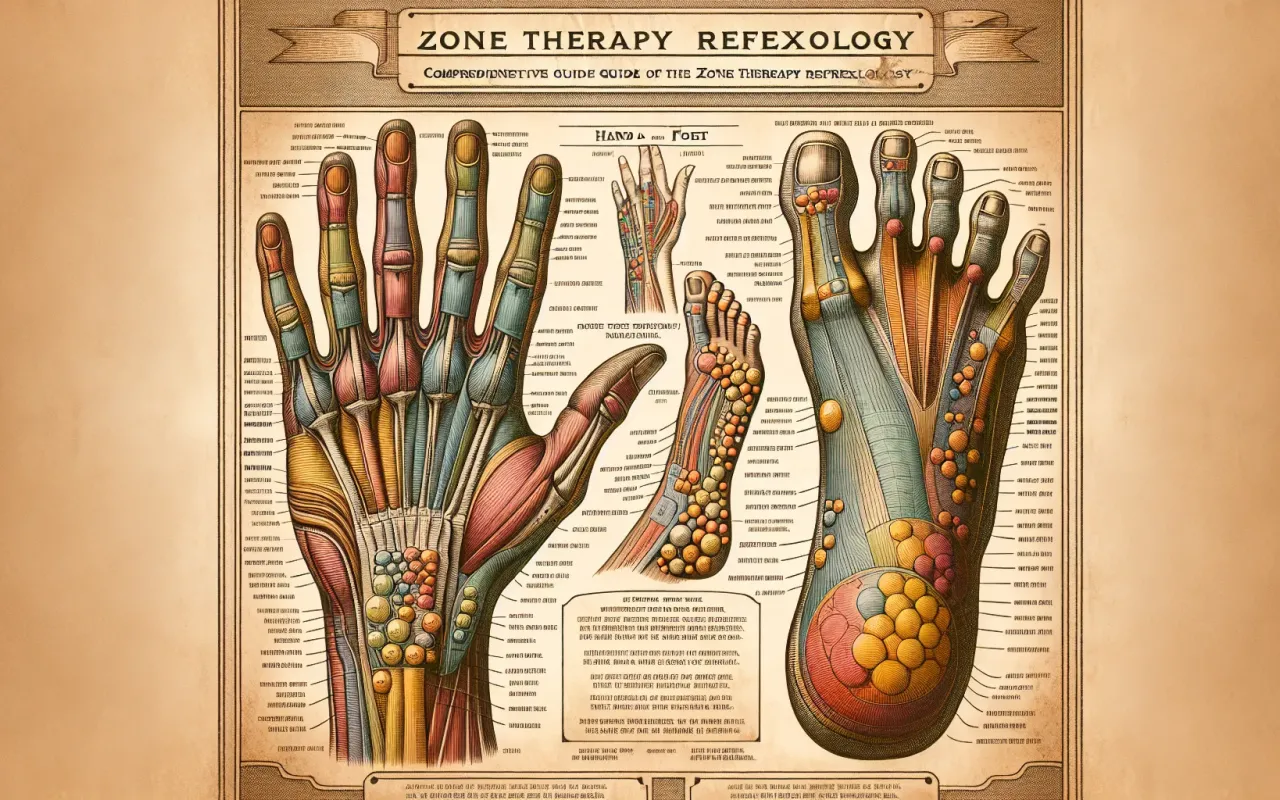
Explore the benefits and techniques of Zone Therapy Reflexology Chart in our comprehensive guide. Learn how reflexology can enhance your well-being.
- August 22, 2024
AceShowbiz - Zone Therapy Reflexology is an age-old practice that has been used for centuries to promote health and well-being. By understanding how different parts of the body are connected through zones and reflex points, one can utilize a zone therapy reflexology chart to target and alleviate various ailments effectively. This guide provides an in-depth look into the benefits and techniques of zone therapy reflexology, aiming to enhance the knowledge of both beginners and seasoned practitioners.
Understanding Zone Therapy Reflexology
What is Zone Therapy Reflexology?
Zone Therapy Reflexology is a specialized form of alternative therapy that involves applying pressure to specific points on the feet, hands, and ears. These points—known as reflex zones—are believed to correspond to different organs and systems in the body. The practice is rooted in the idea that stimulating these reflex zones can promote health and balance by enhancing the body’s natural healing processes.
The History of Zone Therapy
The origins of reflexology can be traced back to ancient civilizations, including Egypt, China, and India. Modern reflexology, however, emerged in the early 20th century, thanks to the pioneering work of Dr. William H. Fitzgerald and Eunice Ingham. Dr. Fitzgerald introduced the concept of "zone therapy" in the 1910s, while Ingham, often referred to as the "mother of reflexology," further developed and popularized it into the structured practice we know today.
Benefits of Using a Zone Therapy Reflexology Chart
Enhances Relaxation and Reduces Stress
Stimulation of reflex zones can activate the parasympathetic nervous system, leading to a state of deep relaxation. This helps in reducing stress and anxiety, promoting a calmer state of mind.
Improves Circulation
Reflexology promotes better blood flow throughout the body. Enhanced circulation helps in the delivery of oxygen and nutrients to cells, which accelerates the body's repair processes and boosts overall health.
Alleviates Pain
One of the most significant benefits of reflexology is its ability to minimize pain. By targeting specific reflex points, practitioners can help reduce chronic pain, headaches, and discomfort arising from conditions like arthritis.
Supports Immune Function
Regularly practicing reflexology can help in boosting the immune system. Stimulating certain reflex zones encourages the optimal functioning of lymphatic and other bodily systems that are crucial for fighting infections.
Balances the Body's Energy
According to Traditional Chinese Medicine, reflexology helps to balance "Qi" or life energy, ensuring that the energy flow throughout the body remains unobstructed. This is crucial for maintaining overall wellness.
Techniques for Effective Zone Therapy Reflexology
Preparation and Relaxation
Before beginning a reflexology session, it is essential to create a peaceful environment. Soft lighting, soothing music, and a comfortable setting contribute to better relaxation. Warm up the feet or hands by gently massaging them with lotion or oil.
Applying Pressure
Use your thumb or fingers to apply gentle but firm pressure to specific reflex zones. Start with applied pressure for a few seconds, gradually increasing the duration as needed. Remember to listen to your body's responses, adjusting the intensity for comfort.
Using a Zone Therapy Reflexology Chart
A zone therapy reflexology chart is an invaluable tool. It visually maps out the reflex zones, allowing you to pinpoint areas that correspond to specific bodily functions. Follow the chart systematically to ensure all relevant zones are covered.
Techniques for Different Areas
- Feet: Use the thumb-walking technique, pressing and sliding the thumb along different zones.
- Hands: Apply pressure using the finger-walking technique, pressing gently along each zone.
- Ears: Use the tips of your fingers to apply pressure to the outer edges and inner crevices of the ear, following the chart for guidance.
Getting Started with Zone Therapy Reflexology
Choosing the Right Chart
Numerous reflexology charts are available, each offering varying levels of detail. When starting, opt for a simple and easy-to-read chart. As you gain more experience, you can transition to more detailed charts that provide an in-depth view of reflex zones.
Understanding Contraindications
While reflexology is generally safe, it is crucial to understand its contraindications. Avoid practicing reflexology if you have open wounds, fractures, or severe circulatory issues. Pregnant women and individuals with severe health conditions should consult a healthcare professional before starting reflexology.
Taking a Professional Course
If you're passionate about reflexology and wish to delve deeper, consider enrolling in a professional course. Accredited courses provide comprehensive training and certification, enhancing your expertise and credibility.
Regular Practice
Like any practice, consistency is key. Regular sessions yield the best results, helping you to familiarize yourself with the zones and techniques. Daily practice, even if for a short duration, can significantly enhance your proficiency and effectiveness.
Conclusion
Zone therapy reflexology is a powerful, non-invasive tool for promoting health and well-being. Understanding and utilizing a zone therapy reflexology chart can lead to numerous benefits, from enhanced relaxation to improved immune function. By integrating these techniques into your routine, you can harness the power of reflexology to support your overall health. For those interested in mastering this art, further education and consistent practice can offer profound, life-enhancing rewards.