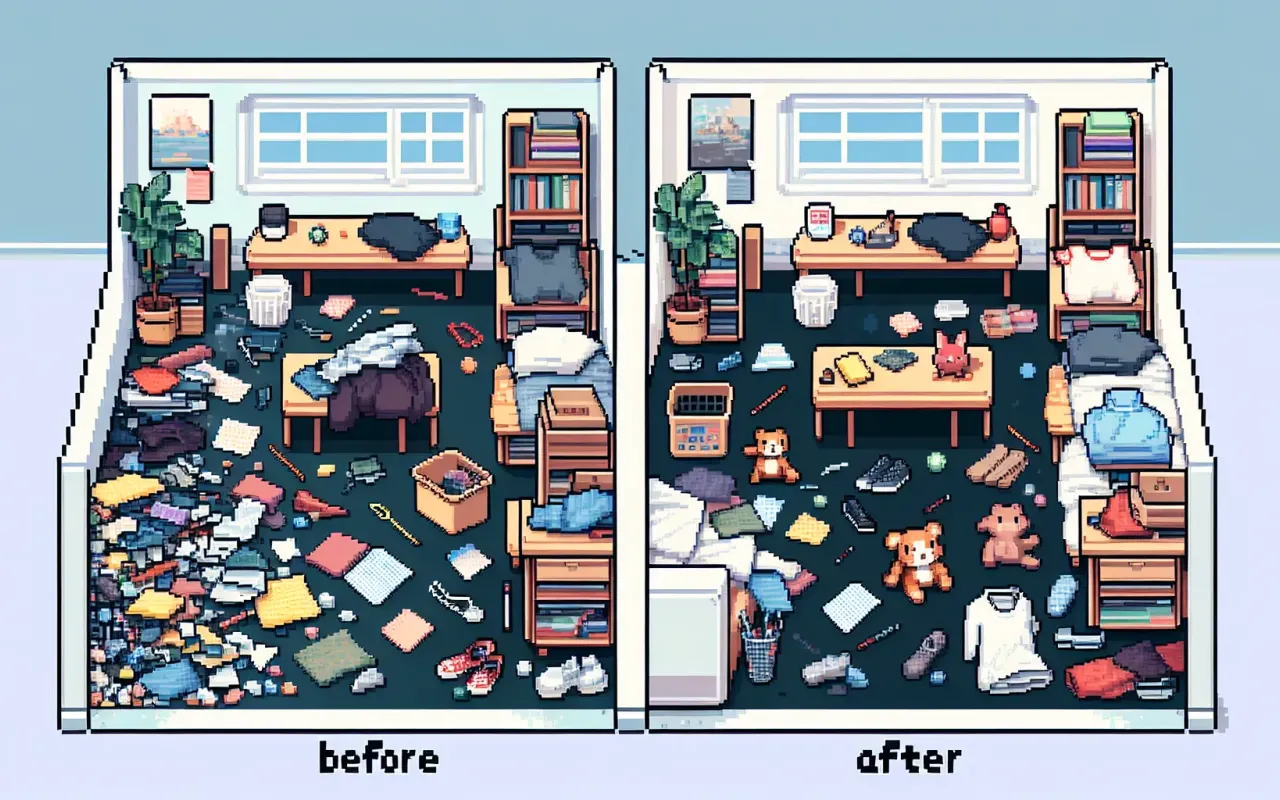
Discover effective minimalist tidying up first steps to transform your space with ease. Learn practical tips and strategies to maintain a clutter-free, organized home.
- August 22, 2024
Embarking on a minimalist lifestyle can be daunting, especially when it comes to tidying up your space. This guide provides you with effective minimalist tidying up first steps to help you transform your home with ease. By following these strategies, you will create a clutter-free and organized environment while embracing a simpler way of living.
Why Minimalist Tidying Up Matters
Minimalist tidying up is more than just decluttering; it's a mindset that promotes simplicity, functionality, and intentionality in your space. By eliminating excess items, you can focus on what truly matters, reduce stress, and create a more peaceful living environment.
The Benefits of Minimalist Tidying Up
- Reduces stress and anxiety
- Increases focus and productivity
- Improves mental clarity
- Fosters a sense of tranquility
- Saves time and money
Step One: Define Your Vision
Before diving into the actual process of tidying up, it’s crucial to define your vision. What do you want your space to look and feel like? Having a clear vision helps you stay motivated and focused during the decluttering journey.
Consider creating a vision board or jotting down descriptive words and phrases that capture your ideal minimalist space. This vision will serve as your guiding light throughout the process.
Assessing Your Space
Next, take a tour of your home and assess each area. Identify the trouble spots where clutter accumulates and the areas that are already well-organized. This will help you prioritize your efforts and create a practical action plan.
Step Two: The 3-Box Method
One effective strategy for minimalist tidying up is the 3-Box Method. This method involves sorting your belongings into three categories: Keep, Donate/Sell, and Discard.
1. Keep
The "Keep" box should contain items that you use regularly, bring you joy, or have sentimental value. Be honest with yourself about what truly deserves a place in your minimalist home.
2. Donate/Sell
Items that are still in good condition but no longer serve you should go into the "Donate/Sell" box. Consider donating to local charities, selling through online platforms, or holding a garage sale.
3. Discard
Finally, the "Discard" box is for items that are broken, expired, or no longer usable. Dispose of these responsibly, recycling whenever possible.
Step Three: Tackle One Area at a Time
Attempting to declutter your entire home at once can be overwhelming. Instead, focus on one area or room at a time. This could be a specific room like the kitchen or a particular space like your wardrobe.
Kitchen
Start with your kitchen by clearing out expired food items, duplicate utensils, and gadgets you rarely use. Aim for clean, clear countertops and organized cabinets.
Wardrobe
Move on to your wardrobe by sorting clothes into the three boxes. Keep only the items you love and wear frequently. Consider a capsule wardrobe for a streamlined and versatile collection.
Living Room
Your living room should be a haven of relaxation. Remove excess décor, books, and gadgets. Choose a few meaningful pieces to display and ensure everything has a designated place.
Step Four: Implement Storage Solutions
Minimalism doesn’t mean getting rid of everything you own; it's about smart storage. Use storage solutions like baskets, bins, and shelves to keep your items organized and easily accessible.
Vertical Storage
Maximize vertical space by installing shelves on walls and utilizing over-the-door organizers. This helps keep your floors clear and your space feeling open.
Multi-Functional Furniture
Opt for multi-functional furniture, such as ottomans with storage, fold-out desks, or beds with drawers underneath. These pieces offer practicality without sacrificing style.
Step Five: Maintain Minimalism
Once you've achieved a tidy, minimalist space, it’s important to maintain it. Develop daily and weekly routines to keep clutter at bay and regularly assess your belongings to prevent accumulation.
Daily Habits
Incorporate simple daily habits like making your bed, doing a quick tidy-up each evening, and putting items back in their designated places.
Regular Decluttering Sessions
Schedule regular decluttering sessions, perhaps every season, to keep your space clutter-free. Donate or discard items that no longer serve a purpose or bring joy.
Conclusion
Adopting minimalist tidying up first steps can significantly transform your space and enhance your quality of life. By defining your vision, utilizing the 3-Box Method, tackling one area at a time, implementing storage solutions, and maintaining your minimalist lifestyle, you can create a serene, organized home. Embrace the journey towards minimalism and enjoy the benefits of a simplified, intentional living environment.