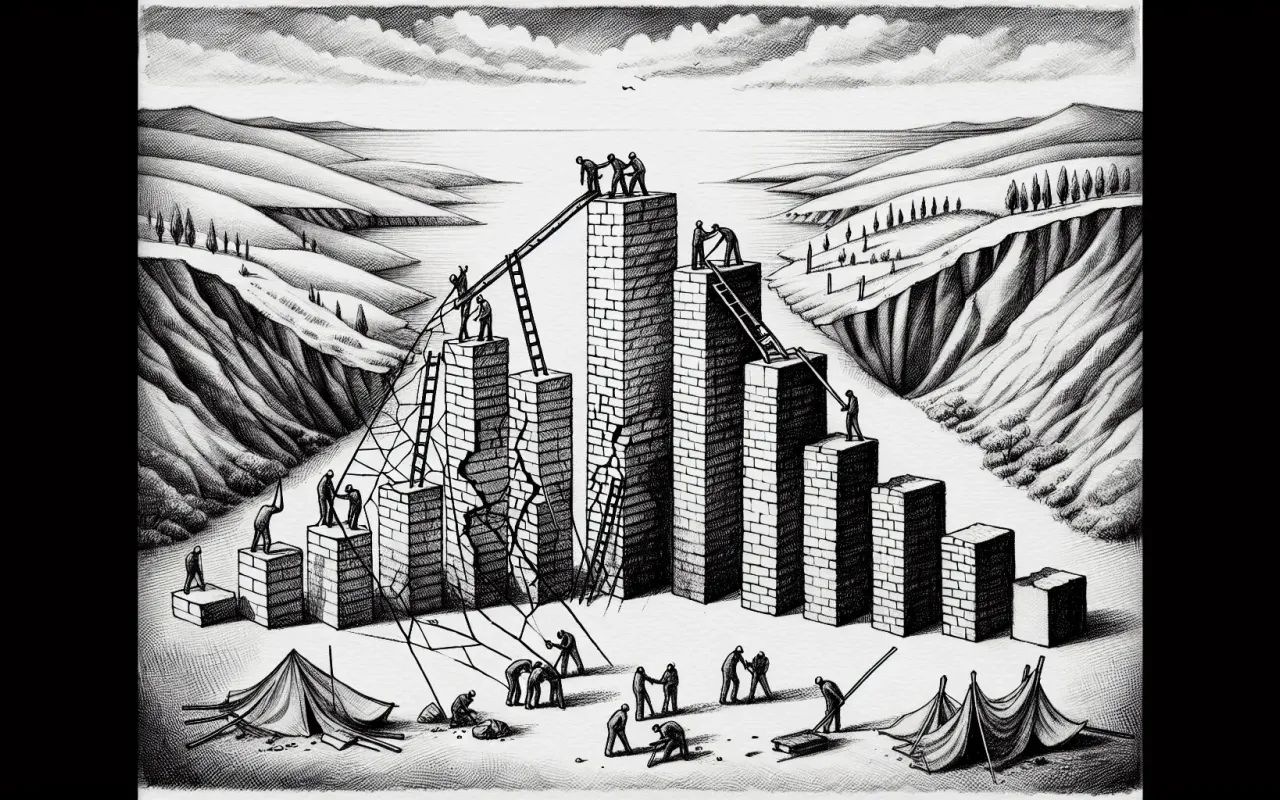
Explore the top challenges in post-conflict peacebuilding efforts and learn actionable strategies to overcome these obstacles in creating lasting peace.
- August 21, 2024
AceShowbiz - Post-conflict peacebuilding is a critical process aimed at ensuring lasting peace and stability in regions emerging from conflict. Despite its importance, achieving successful peacebuilding is fraught with numerous challenges. In this article, we delve into the top 7 challenges in post-conflict peacebuilding efforts and discuss effective strategies to overcome them.
1. Political Instability
One of the foremost challenges in post-conflict peacebuilding efforts is political instability. In the aftermath of a conflict, governance structures are often weakened or entirely dysfunctional. This creates a power vacuum that competing factions may try to fill, leading to further unrest.
Solution to Political Instability
Establishing interim governance structures and prioritizing inclusive political processes can mitigate political instability. International actors can play a crucial role by facilitating dialogue among various factions and supporting the establishment of transitional governments that include representation from diverse communities.
2. Economic Reconstruction
Economic devastation is a common byproduct of conflict, posing a significant barrier to peacebuilding. Destroyed infrastructure, shuttered businesses, and disrupted supply chains hinder economic recovery and prolong suffering.
Solution to Economic Reconstruction
An effective approach to economic reconstruction requires strategic investment in infrastructure, support for small and medium-sized enterprises (SMEs), and the creation of job opportunities. International financial aid and public-private partnerships can provide the necessary capital and expertise to jumpstart economic growth.
3. Social Fragmentation
Conflict often exacerbates social divisions along ethnic, religious, or ideological lines. Rebuilding trust and cohesion among communities is essential for sustainable peace.
Solution to Social Fragmentation
Programs that promote reconciliation, dialogue, and community-building activities can help bridge social divides. Educational initiatives that emphasize tolerance and cultural understanding are also crucial in healing fractured societies.
4. Security Concerns
Persistent security threats, including the presence of armed groups and widespread violence, undermine peacebuilding efforts. Ensuring safety and security is a fundamental prerequisite for successful reconstruction and development.
Solution to Security Concerns
Developing effective disarmament, demobilization, and reintegration (DDR) programs is key to addressing security concerns. Strengthening local law enforcement agencies and enhancing international peacekeeping efforts can also contribute to a secure environment.
5. Weak Rule of Law
A weak rule of law is a major impediment to peacebuilding as it leaves room for corruption, impunity, and human rights abuses. Establishing a functional legal system is crucial to maintaining order and justice.
Solution to Weak Rule of Law
Rebuilding judicial infrastructure, providing legal education and training, and ensuring the independence of the judiciary are critical steps to reinforcing the rule of law. International organizations can assist by offering technical and financial support for these initiatives.
6. Humanitarian Issues
Conflict often leads to widespread humanitarian crises, including displacement, food insecurity, and health emergencies. Addressing these urgent needs is essential for stabilizing post-conflict regions.
Solution to Humanitarian Issues
Coordinated humanitarian efforts that provide immediate relief and long-term support are necessary. Deploying resources for emergency response, resettlement programs for displaced persons, and sustainable agricultural and health initiatives can significantly alleviate humanitarian suffering.
7. External Influence
External actors, including neighboring countries and international organizations, often play influential roles in post-conflict settings. However, their involvement can sometimes exacerbate tensions or create dependency.
Solution to External Influence
Fostering local ownership of the peacebuilding process and ensuring that external interventions are aligned with local needs and priorities are key to overcoming challenges posed by external influence. International actors should focus on capacity-building and empower local stakeholders to take the lead.
Conclusion
Post-conflict peacebuilding is a multifaceted and challenging endeavor. However, by addressing political instability, economic reconstruction, social fragmentation, security concerns, weak rule of law, humanitarian issues, and external influence, it is possible to pave the way for lasting peace. Through collaborative efforts and strategic interventions, the international community can support war-torn regions in their journey towards stability and development.