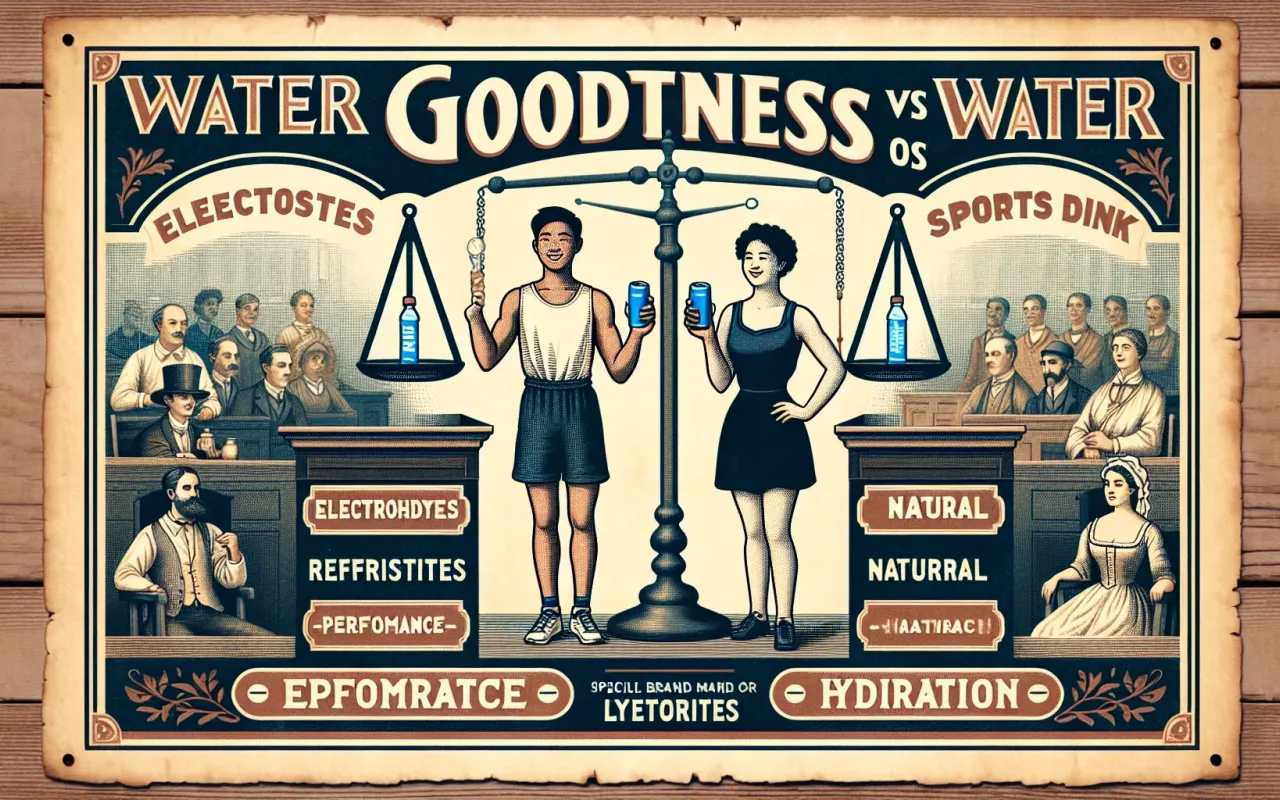
Discover the best hydration methods for your body. Explore whether drinking water or sports drinks is better for staying hydrated.
- August 20, 2024
AceShowbiz - Staying hydrated is essential for maintaining optimal health and performance. This article explores the benefits and drawbacks of drinking water versus sports drinks.
Introduction
Hydration is a critical aspect of overall health and well-being. With countless options available, it can be challenging to determine the most effective way to stay hydrated. Two primary choices lead the discussion: drinking water and consuming sports drinks. This article will delve into the advantages and disadvantages of both options, providing an authoritative insight into which is better.
The Importance of Staying Hydrated
Understanding why hydration is pivotal helps outline the necessity of choosing the right method.
Vital Functions of Hydration
- Maintains body temperature
- Lubricates joints
- Transports nutrients to cells
- Removes waste from the body
Drinking Water: The Natural Choice
Water is the most natural and commonly recommended way to maintain hydration. This section delves into the benefits and limitations of water consumption.
Benefits of Drinking Water
- Calorie-Free: Water contains no calories, making it an ideal choice for those managing their weight.
- Hydration Efficiency: Water effectively hydrates without the need for additional ingredients.
- Accessibility: Water is widely available and cost-effective.
Limitations of Drinking Water
- Lack of Electrolytes: Water does not replenish electrolytes lost through sweat during intense physical activity.
- No Flavor: Some individuals may find plain water unappealing and opt for flavored alternatives.
Sports Drinks: Engineered for Performance
Sports drinks are specifically formulated to replenish fluids and provide additional nutrients that water lacks. Here, we examine their advantages and potential drawbacks.
Advantages of Sports Drinks
- Electrolyte Replenishment: Sports drinks contain electrolytes such as sodium and potassium, vital for maintaining fluid balance and muscle function.
- Energy Boost: The carbohydrates in sports drinks provide a quick energy source, which can be beneficial during prolonged physical activity.
- Flavored Options: The variety of flavors may encourage better hydration habits for those who dislike plain water.
Drawbacks of Sports Drinks
- Higher Caloric Content: The sugars and calories in sports drinks can contribute to weight gain if consumed in excess.
- Artificial Ingredients: Some sports drinks contain artificial colors and flavors, which may not appeal to health-conscious individuals.
- Cost: Sports drinks are generally more expensive than water.
When to Choose Water or Sports Drinks?
The decision to opt for water or sports drinks depends on various factors, such as the type and intensity of the activity, individual health needs, and personal preferences.
Low-Intensity Activities
For everyday activities and light exercise, water is typically sufficient. It efficiently hydrates and supports normal body function without extra calories or additives.
High-Intensity or Prolonged Activities
During high-intensity or extended physical activities, sports drinks can offer additional benefits by replenishing electrolytes and providing an energy boost.
Special Considerations
- Individuals with specific medical conditions should consult with healthcare professionals to determine the best hydration method.
- Hydration needs can vary by climate, age, and individual metabolism.
Combining Both: A Balanced Approach
There are scenarios where a combination of both water and sports drinks may be the most effective approach to staying hydrated.
- Hydration Strategy: Start with water and, during extended activities, integrate sports drinks to maintain energy levels and electrolyte balance.
- Personal Preference: Tailor your hydration plan to fit your lifestyle and taste preferences while keeping health considerations in mind.
Case Studies and Research Findings
Recent studies provide insights into the benefits and limitations of water and sports drinks.
Research Highlights
- Studies show improved athletic performance with sports drinks during prolonged exercise due to carbohydrate intake.
- Research suggests that for most casual athletes and general health purposes, water remains the optimal choice for hydration.
Conclusion
In the battle of staying hydrated: drinking water vs sports drinks, both options have their place. Water is ideal for everyday hydration, while sports drinks provide additional benefits during intense physical activities. Understanding your hydration needs and balancing both options can ensure optimal health and performance. Whether you choose water or sports drinks, staying adequately hydrated is the ultimate goal.