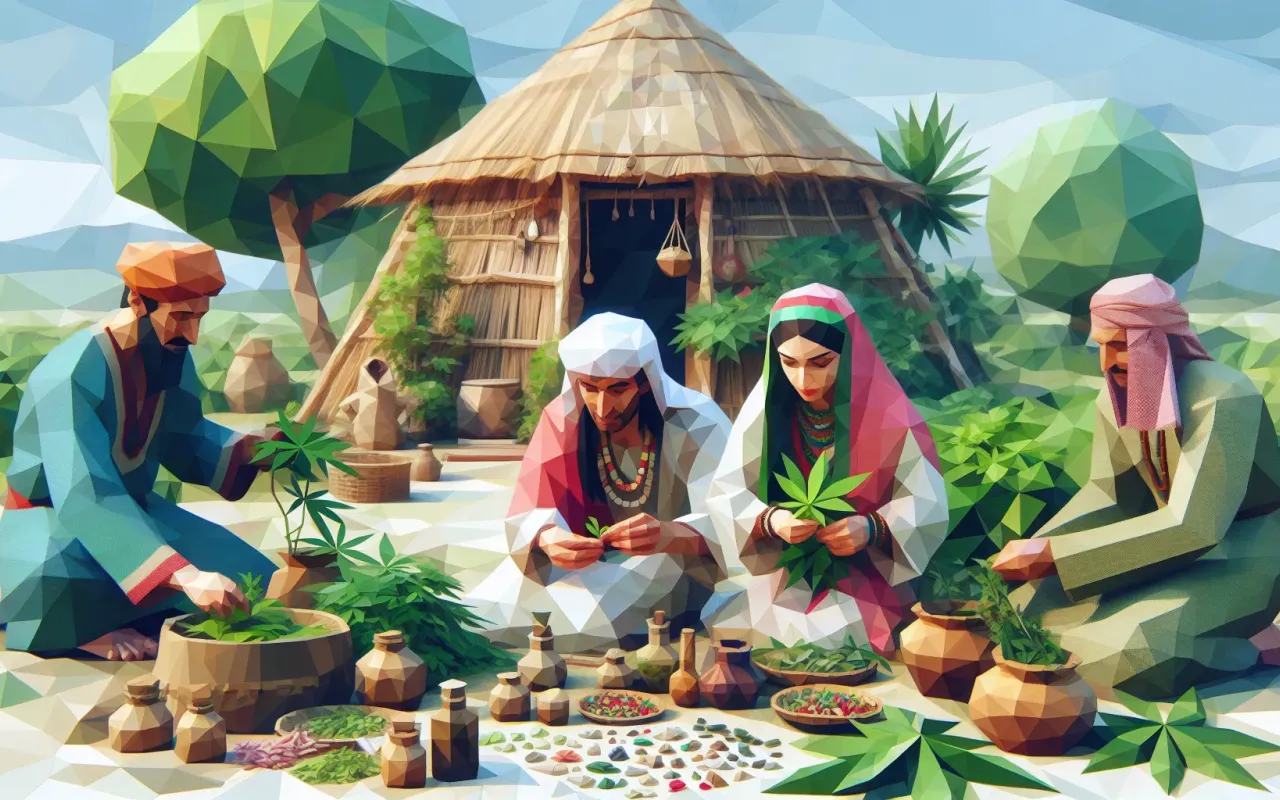
Discover the rich history and practices of herbal medicine in traditional cultures, offering insights into ancient healing techniques and their modern relevance.
- August 20, 2024
AceShowbiz - Herbal medicine practices in traditional cultures embody a significant aspect of human history, blending the wisdom of ancient civilizations with the healing potential of nature. This article delves into various traditional medical systems, exploring the uses, cultural significance, and enduring relevance of herbal medicine.
Introduction to Herbal Medicine in Traditional Cultures
Throughout history, many traditional cultures have relied on the medicinal properties of plants to treat ailments and promote overall wellness. Herbal medicine, also known as phytotherapy, has been a cornerstone of these ancient healthcare systems. The efficacy of this practice is well-documented in historical texts and continues to be a subject of scientific inquiry today.
Historical Context and Cultural Significance
The Roots of Herbal Medicine
The use of plants for medicinal purposes dates back to prehistoric times. Archaeological evidence from various periods reveals that early humans used plants to treat wounds, infections, and illnesses. This knowledge was passed down through generations, forming the foundation of traditional herbal medicine practices.
Herbal Medicine Across Cultures
Diverse cultures around the world have developed unique herbal medicine systems:
- Traditional Chinese Medicine (TCM): Integrates the use of herbs, acupuncture, and other modalities to balance the body's qi (life force).
- Ayurveda: Originating in India, Ayurveda employs herbs like turmeric and ashwagandha to maintain balance between mind, body, and spirit.
- Native American Medicine: Utilizes herbs such as echinacea and goldenseal for their healing properties, deeply rooted in spiritual beliefs.
- African Traditional Medicine: Employs plants like rooibos and devil's claw, often in combination with spiritual practices.
Herbal Medicine Practices: Techniques and Applications
Preparation Methods
Traditional cultures have developed various methods to prepare herbal remedies:
- Infusions and Decoctions: Herbs are steeped in hot water (infusions) or boiled (decoctions) to extract active compounds.
- Tinctures: Herbal ingredients are soaked in alcohol or vinegar to create concentrated liquid extracts.
- Ointments and Salves: Plants are mixed with oils or fats to apply topically for skin conditions and injuries.
- Herbal Powders: Dried herbs are ground into fine powders and ingested or applied as needed.
Commonly Used Medicinal Herbs
Several herbs have been extensively used in traditional medicine due to their diverse health benefits:
- Ginseng: Known for its adaptogenic properties, helping the body manage stress and boost energy.
- Echinacea: Often used to strengthen the immune system and combat colds and infections.
- Turmeric: Famous for its anti-inflammatory and antioxidant properties, widely used in Ayurveda.
- St. John's Wort: Commonly used to alleviate depression and anxiety in traditional European medicine.
Modern Implications and Integration
Despite advancements in modern medicine, the principles of herbal medicine continue to offer valuable insights:
- Complementary Therapies: Many individuals incorporate herbal remedies alongside conventional treatments to enhance overall health.
- Holistic Approaches: Emphasizing the interconnectedness of body, mind, and environment, rooted in traditional practices.
Challenges and Considerations
Standardization and Quality Control
One of the primary challenges in herbal medicine is ensuring the standardization and quality of herbal products. Variability in plant composition, contamination, and misidentification can affect the safety and efficacy of herbal remedies. Therefore, it is crucial to source herbs from reputable suppliers and follow established guidelines for preparation and use.
Scientific Validation
While traditional knowledge provides a strong foundation, scientific validation of herbal medicine practices is essential for wider acceptance and integration into modern healthcare. Rigorous clinical trials and research studies are necessary to confirm the benefits and potential side effects of herbal compounds.
Conclusion: Embracing Herbal Wisdom
The exploration of herbal medicine practices in traditional cultures reveals a deep connection between humans and nature. These age-old traditions offer valuable insights into natural healing, many of which remain relevant in today's holistic health landscape. By embracing the wisdom of our ancestors and integrating it with modern scientific understanding, we can continue to benefit from the rich legacy of herbal medicine.
In summary, herbal medicine practices in traditional cultures encapsulate a wealth of knowledge that continues to inspire and inform modern healthcare. Whether through the preparation of herbal decoctions or the use of specific plants for targeted health benefits, these practices reflect a harmonious relationship with nature that has stood the test of time.