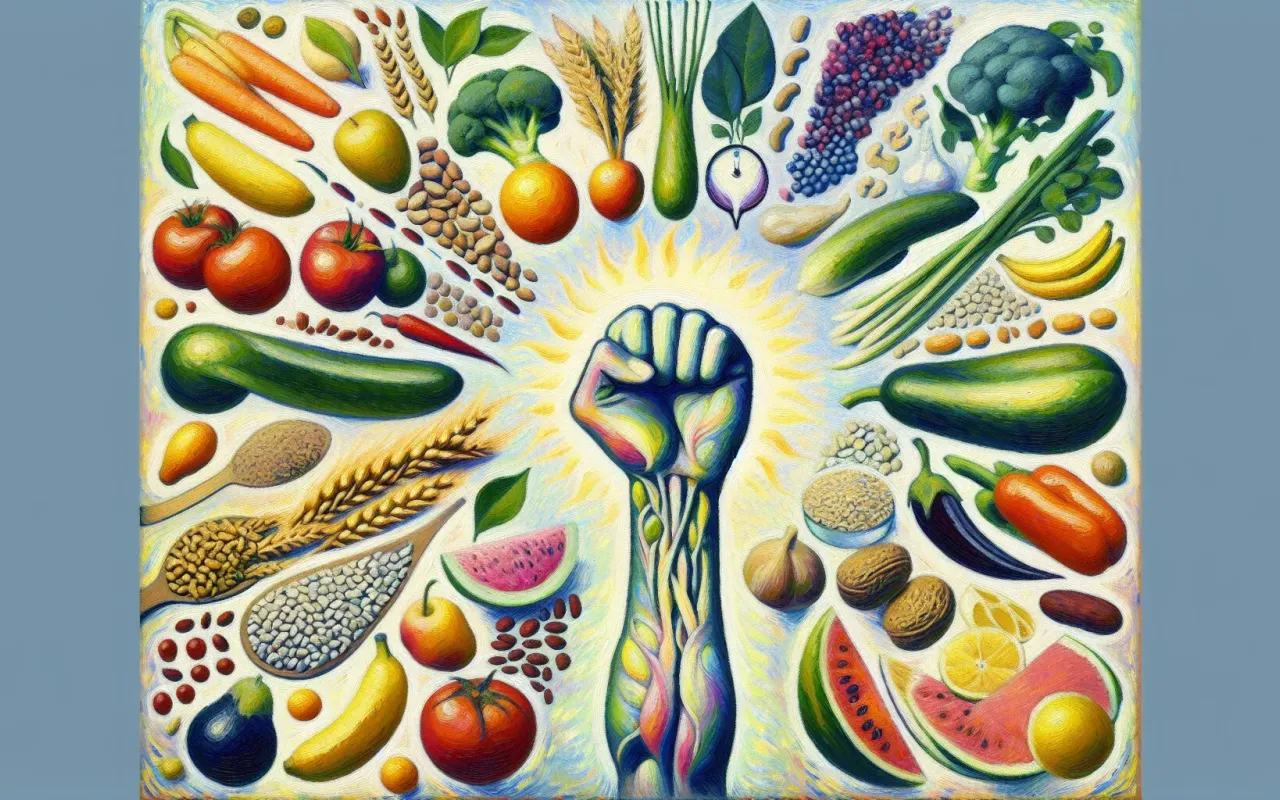
Discover how to maximize your health with a vegan diet rich in macronutrients. Learn how to balance proteins, fats, and carbohydrates for optimal well-being.
- August 20, 2024
AceShowbiz - A well-balanced vegan diet can provide all the necessary macronutrients to maintain a healthy lifestyle. This article will explain how a vegan diet rich in macronutrients can maximize your health, offering practical tips and scientifically-backed information to help you make informed dietary choices.
Understanding Macronutrients
Macronutrients are the essential nutrients that provide energy and support metabolic processes in our body. They consist of three main types: proteins, fats, and carbohydrates. Each macronutrient plays a specific role in maintaining health and vitality.
Proteins
Proteins are the building blocks of life, crucial for repairing tissues, making enzymes, and supporting immune function. While vegans don’t consume animal products, there are plenty of plant-based protein sources available.
Top Vegan Protein Sources:
- Legumes (beans, lentils, chickpeas)
- Tofu and tempeh
- Seitan
- Quinoa
- Nuts and seeds
Fats
Fats are critical for absorbing vitamins, supporting brain health, and providing long-lasting energy. A vegan diet can include various sources of healthy fats.
Top Vegan Fat Sources:
- Avocados
- Nuts and nut butters
- Seeds (chia, flax, hemp)
- Olive oil and coconut oil
- Dark chocolate
Carbohydrates
Carbohydrates are the primary energy source for the body, fueling physical activity and brain function. A vegan diet rich in complex carbohydrates can promote sustained energy levels.
Top Vegan Carbohydrate Sources:
- Whole grains (brown rice, oats, barley)
- Starchy vegetables (sweet potatoes, squash)
- Fruits (berries, bananas, apples)
- Legumes and pulses
- Vegetables (leafy greens, broccoli)
Balancing Macronutrients for Optimal Health
Ensuring a balance of proteins, fats, and carbohydrates is crucial for deriving maximum benefits from a vegan diet. Here's how to achieve this balance:
Meal Planning and Portion Control
Designing balanced meals and controlling portion sizes can help ensure you get the right mix of macronutrients. Aim to fill half your plate with vegetables, a quarter with whole grains, and the remaining quarter with protein sources.
Complementary Protein Sources
While plant-based proteins often lack one or more essential amino acids, combining different sources can ensure you get a complete profile. For example, pair legumes with grains, such as rice and beans, to form a complete protein.
Healthy Snacking
Healthy snacks can prevent overeating at main meals and provide a steady supply of nutrients throughout the day. Choose snacks like mixed nuts, hummus with vegetables, or fruit with almond butter.
Overcoming Common Challenges
Adopting a vegan diet rich in macronutrients can present challenges, but with awareness and planning, these can be effectively managed.
Nutrient Deficiencies
Vegan diets can sometimes lead to deficiencies in certain nutrients like Vitamin B12, iron, and omega-3 fatty acids. Consider fortified foods and supplements to address these potential gaps.
Eating Out
Finding vegan options at restaurants can be challenging but increasingly there are more plant-based choices available. Research menus in advance and don't hesitate to ask about vegan options.
Social Situations
Social gatherings may pose difficulties for vegans. Communicate your dietary preferences to hosts in advance, and bring a vegan dish to share with others.
The Benefits of a Vegan Diet Rich in Macronutrients
A vegan diet rich in macronutrients offers numerous health benefits:
Weight Management
Plant-based diets are often lower in calories and higher in fiber, which can help with weight loss and maintenance.
Improved Heart Health
Vegan diets are low in saturated fats and cholesterol, which can help reduce the risk of heart disease.
Better Digestive Health
A diet rich in whole plant foods supports a healthy gut microbiome and can alleviate digestive issues like constipation.
Enhanced Energy Levels
The high nutrient density of a well-planned vegan diet can lead to improved energy and overall vitality.
Conclusion
Maximizing your health with a vegan diet rich in macronutrients is not only possible but highly beneficial. By understanding the roles of proteins, fats, and carbohydrates, and planning balanced meals, you can ensure your vegan diet supports optimal health. Overcoming common challenges through mindful eating and supplementation will further enhance your journey toward a healthier, plant-based lifestyle.