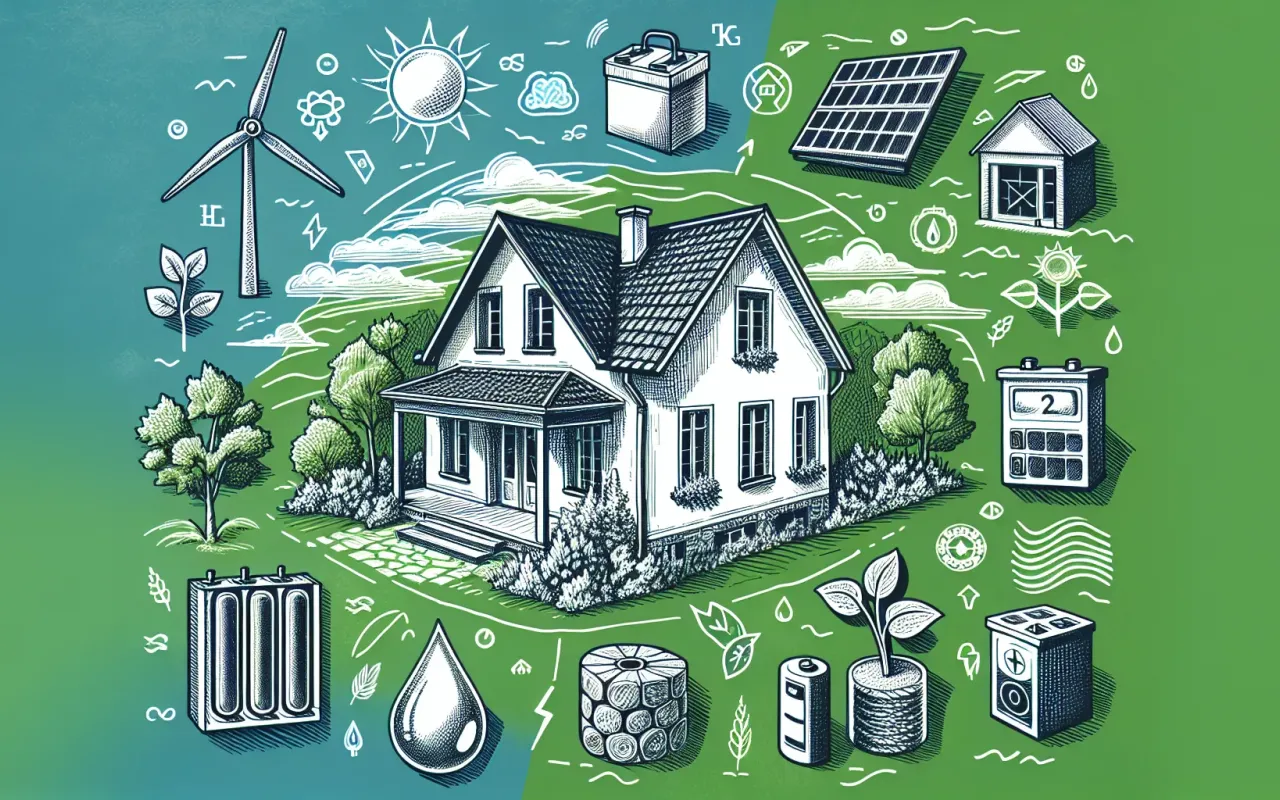
Discover the top 10 best renewable energy sources for home use. Learn how to harness renewable energy to save money and help the environment.
- August 19, 2024
Introduction
As the global community increasingly focuses on sustainability, many homeowners are seeking ways to incorporate renewable energy sources into their homes. Renewable energy not only helps reduce reliance on fossil fuels but also offers long-term cost savings. This article explores the top 10 best renewable energy sources for home use, providing valuable insights and practical solutions.
1. Solar Power
Solar power is arguably the most popular and widely used renewable energy source for homes. Solar panels convert sunlight into electricity, which can be used to power household appliances, lighting, and heating systems. The benefits include reduced electricity bills, low maintenance costs, and a significant decrease in your carbon footprint. Investing in solar panel installation can provide energy independence and even potential income through net metering policies.
2. Wind Power
Wind power is another viable option for homeowners, especially those in areas with consistent wind speeds. Small wind turbines can be installed on your property to generate electricity. Wind power systems can offer substantial cost savings, though the initial investment can be higher compared to solar panels. Despite this, the long-term benefits of reduced energy bills and environmental impact make it a worthwhile consideration.
3. Hydropower
Hydropower uses the flow of water to generate electricity and can be particularly effective for homes near rivers or streams. Micro-hydro systems are small-scale hydropower solutions tailored for individual homes. While setup costs and logistical considerations may be higher, hydropower provides a consistent and reliable source of energy throughout the year.
4. Geothermal Energy
Geothermal energy harnesses the Earth’s internal heat to provide heating, cooling, and electricity. Geothermal heat pumps can efficiently regulate a home’s temperature by using the stable temperatures found underground. The installation of a geothermal system can be costly initially, but the efficiency and durability of geothermal energy make it a smart investment in the long run.
5. Biomass Energy
Biomass energy involves using organic materials like wood pellets, agricultural residues, and animal manure to produce heat and electricity. Biomass systems can be integrated into existing heating systems or used as standalone units. They offer a renewable and often cost-effective energy source, especially in rural areas with easy access to biomass materials.
6. Solar Water Heaters
Solar water heaters use solar energy to heat water for domestic use. They consist of solar collectors and a storage tank, providing hot water for showers, washing, and other household needs. Solar water heaters can significantly reduce electricity or gas bills associated with water heating and are relatively easy to maintain.
7. Solar Lighting
Solar lighting solutions, including garden lights and outdoor security lights, utilize solar panels to charge batteries which then power the lights at night. These systems are cost-effective, easy to install, and do not rely on the grid. They are an excellent way to enhance security and aesthetics while reducing energy consumption.
8. Solar Air Heating
Solar air heaters capture sunlight to heat air, which is then circulated through the home. These systems can supplement traditional heating methods, reducing reliance on electricity or gas. Solar air heaters are ideal for colder climates, and while they may not entirely replace all heating needs, they are a valuable addition to a comprehensive home energy solution.
9. Small-Scale Wind Turbines
For homeowners with ample space and favorable wind conditions, small-scale wind turbines are worth considering. These turbines can generate a significant portion of a home's electricity needs and sometimes exceed them, allowing excess energy to be sold back to the grid. They require careful planning and installation but offer long-term benefits in energy savings and sustainability.
10. Energy Storage Solutions
While not an energy source themselves, energy storage solutions like home batteries are crucial for optimizing renewable energy use. Systems like the Tesla Powerwall store excess solar energy or other renewable energy generated during the day, making it available for use at night or during power outages. Effective energy storage enhances the efficiency and reliability of all renewable energy systems.
Conclusion
With increasing concerns about climate change and rising energy costs, integrating renewable energy sources into your home is a practical and impactful decision. Whether you choose to install solar panels, wind turbines, or a geothermal system, each option provides unique benefits and contributions to a sustainable future. By considering these top 10 best renewable energy sources for home use, you can take significant steps toward energy independence, financial savings, and environmental stewardship.
© 2024 Renewable Energy Solutions