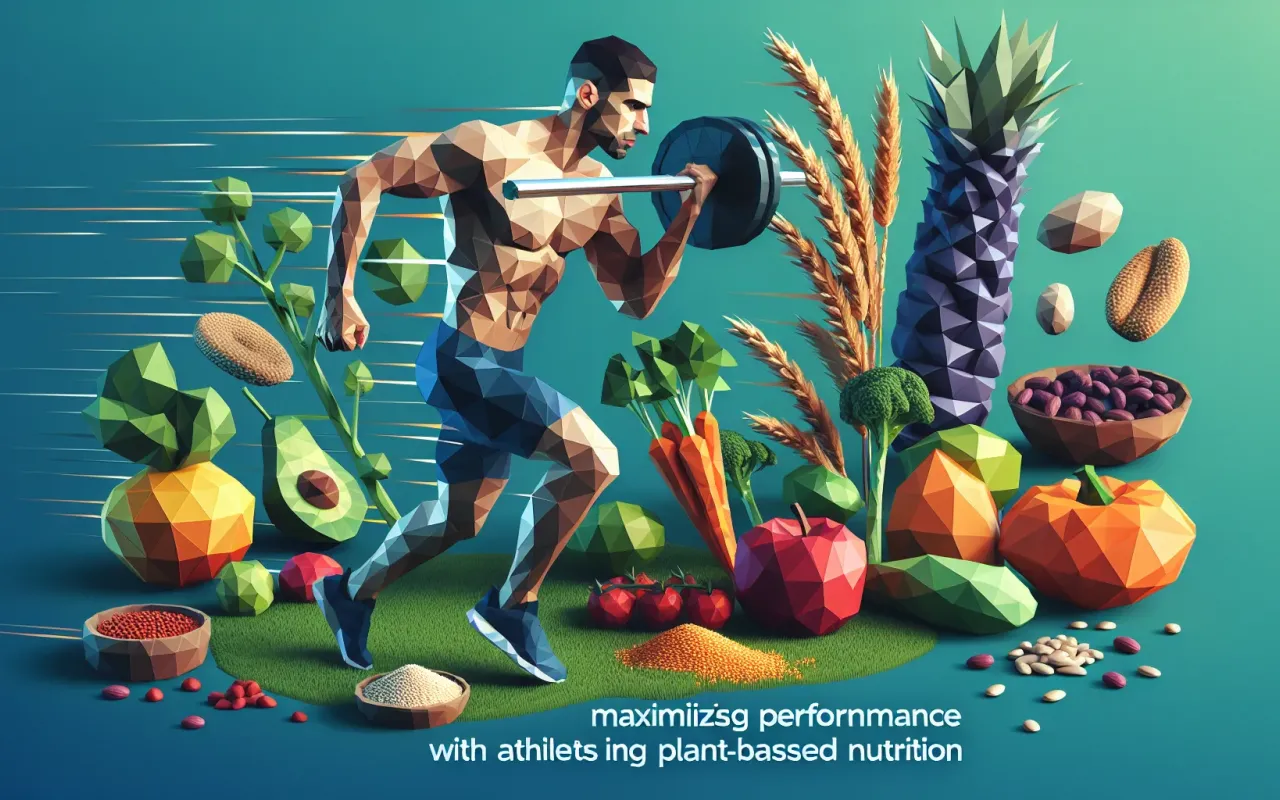
Discover how plant-based nutrition can enhance athletic performance through balanced diets, essential nutrients, and smart meal planning.
- August 19, 2024
Introduction
As the demand for optimal athletic performance rises, athletes continuously seek ways to enhance their endurance, strength, and recovery. Increasingly, sports professionals are turning to plant-based nutrition as a method to maximize performance. This dietary approach involves consuming primarily or exclusively plant-derived foods, which can offer numerous health benefits. This article delves into the essentials of plant-based nutrition for athletes, exploring how it can support their demanding physical needs and discussing practical tips for implementation.
The Science Behind Plant-Based Nutrition for Athletes
Understanding the impact of plant-based nutrition on athletic performance requires a look at the nutritional science behind it. Plant-based diets are rich in carbohydrates, dietary fiber, vitamins, and minerals, which are vital for an athlete's energy needs and overall health.
High Carbohydrate Intake
Carbohydrates are the primary energy source for athletes. Plant-based diets, particularly those rich in whole grains, fruits, and vegetables, provide an abundance of complex carbohydrates. These nutrients are critical for maintaining glycogen stores, which are the muscles' main energy reservoirs during high-intensity activities.
Abundant Micronutrients
Micronutrients including vitamins and minerals are crucial for various physiological processes such as energy production, oxygen transport, and muscle function. Plant-based diets are typically high in micronutrients like vitamin C, vitamin E, magnesium, and potassium, which support athletic performance and recovery.
Key Nutrients for Plant-Based Athletes
While plant-based diets can be nutritionally dense, athletes must pay attention to certain nutrients that are less abundant in plant sources or require careful planning to obtain adequate amounts.
Protein
Protein is essential for muscle repair and growth. Athletes require more protein than sedentary individuals, so incorporating plant-based protein sources such as lentils, chickpeas, beans, tofu, tempeh, and quinoa is critical. Combining varied sources throughout the day can ensure a complete amino acid profile.
Iron
Iron is vital for oxygen transport in the blood. Plant-based athletes may need to consume iron-rich foods such as lentils, spinach, and fortified cereals, paired with vitamin C-rich foods to enhance iron absorption. Regular monitoring of iron levels is recommended to prevent deficiencies.
Calcium and Vitamin D
Calcium is important for bone health, and vitamin D aids in its absorption. Plant-based sources of calcium include fortified plant milks, leafy green vegetables, and almonds. Sun exposure and vitamin D supplements can help maintain optimal levels of vitamin D.
Omega-3 Fatty Acids
Omega-3s, essential for reducing inflammation and promoting heart health, can be sourced from flaxseeds, chia seeds, walnuts, and algae-based supplements.
Vitamin B12
Since vitamin B12 is not found in plant foods, supplementation or consumption of fortified foods like plant-based milks and cereals is necessary to prevent deficiency, which can lead to anemia and neurological issues.
Practical Tips for Implementing Plant-Based Nutrition
Transitioning to a plant-based diet as an athlete requires strategic planning and gradual changes. Below are some practical steps to ensure a smooth transition and optimal nutrition.
Gradual Transition
Sudden changes to diet can be overwhelming. Begin by incorporating more plant-based meals gradually and phasing out animal products over time. This allows the body to adjust and helps identify suitable plant-based options that meet nutritional needs.
Meal Planning
Effective meal planning is essential for sustaining a plant-based diet. Pre-planning meals helps ensure a variety of foods are included, thus meeting all nutrient requirements. Batch cooking and preparing snacks in advance can save time and prevent reliance on nutrient-poor convenience foods.
Stay Hydrated
Proper hydration is critical for athletic performance. Athletes on a plant-based diet should consume adequate fluids, especially if their diet includes high-fiber foods, to avoid gastrointestinal discomfort and dehydration.
Monitor Nutrient Intake
Using nutrition tracking tools can help athletes stay on top of their nutrient intake. Professional guidance from a nutritionist experienced in plant-based diets can provide personalized recommendations and adjustments.
Success Stories and Research
Many athletes have successfully adopted plant-based diets and reported enhanced performance and recovery. Scientific research also supports these claims, showing benefits such as reduced muscle damage, decreased oxidative stress, and improved cardiovascular health. Case studies of elite plant-based athletes provide further motivation and practical insight for aspiring individuals.
Conclusion
Plant-based nutrition offers a viable and effective approach for athletes aiming to maximize their performance. By focusing on nutrient-dense foods, ensuring adequate protein and key nutrients, and implementing strategic meal planning, plant-based athletes can achieve and surpass their performance goals. As this diet continues to gain traction in the sports world, more athletes are likely to reap its benefits. With careful planning and a commitment to nutritional adequacy, plant-based nutrition can be a cornerstone of athletic success.