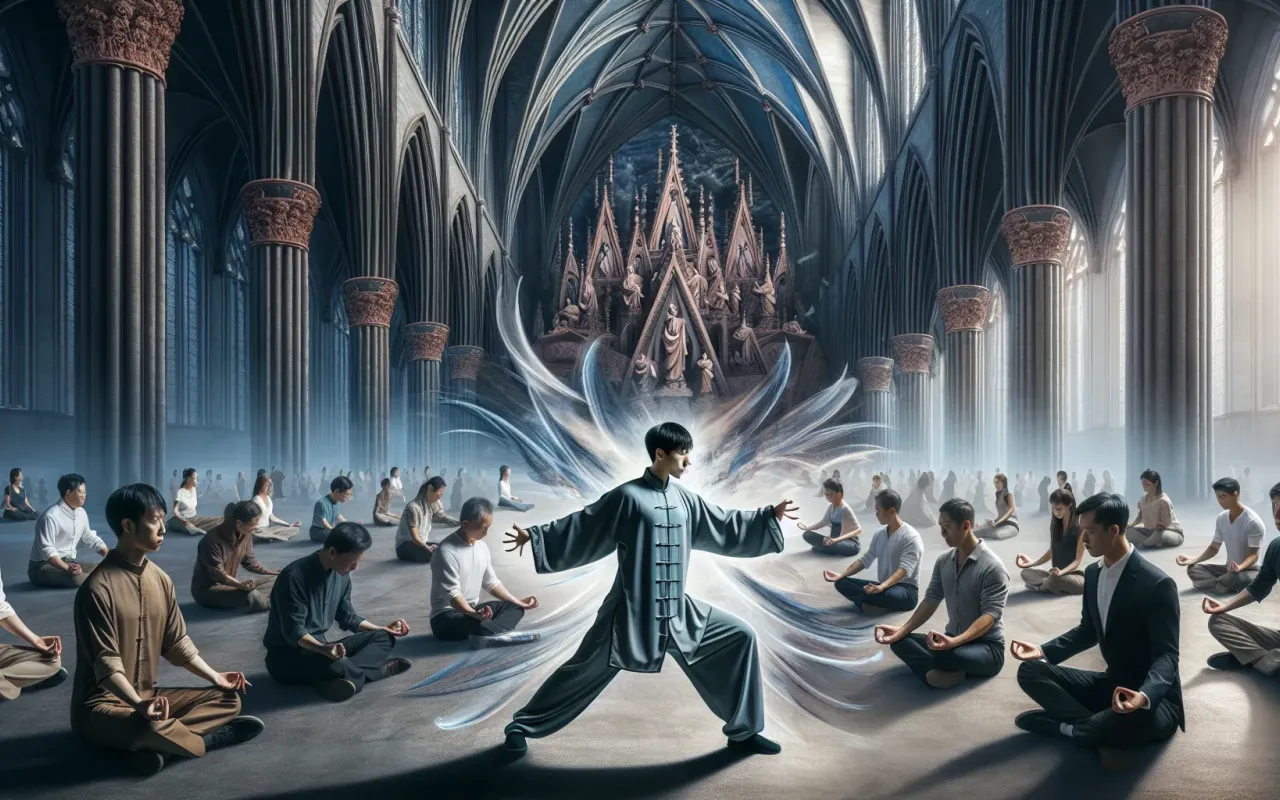
Discover effective Qigong techniques for anxiety in this comprehensive guide. Learn how to ease anxiety through specialized Qigong practices.
- August 19, 2024
In today's fast-paced world, anxiety has become a common issue for many. While there are numerous ways to manage and alleviate anxiety, Qigong—a traditional Chinese practice—offers a holistic and effective approach. This comprehensive guide highlights essential Qigong techniques for anxiety, providing you with valuable insights to incorporate these practices into your daily life.
Understanding Qigong and Its Benefits
Qigong is a centuries-old Chinese discipline that integrates physical postures, breathing techniques, and focused intention to cultivate and balance the body's vital energy, known as Qi. Practicing Qigong can lead to numerous benefits, including mental clarity, enhanced physical health, and emotional balance.
Specifically, Qigong techniques for anxiety focus on calming the mind, reducing stress hormones, and promoting an overall sense of well-being. With consistent practice, individuals can achieve a mindful state that aids in managing anxiety effectively.
Key Qigong Techniques for Alleviating Anxiety
Here, we outline several fundamental Qigong techniques beneficial for reducing anxiety. These practices can be easily incorporated into daily routines, offering both immediate and long-term relief.
1. Deep Abdominal Breathing (Dan Tian Breathing)
Deep abdominal breathing is the cornerstone of many Qigong practices. It involves slow, deep breaths that originate from the lower abdomen, also known as the Dan Tian area. This technique helps regulate the autonomic nervous system and reduce stress levels.
- Steps to Practice:
- Sit or stand comfortably with your back straight.
- Place one hand on your lower abdomen.
- Inhale deeply through your nose, allowing your abdomen to expand.
- Exhale slowly and fully, feeling your abdomen contract.
- Repeat for 5-10 minutes, focusing on the rhythm of your breath.
2. The Standing Meditation (Zhan Zhuang)
Zhan Zhuang, or standing meditation, is a static pose that promotes internal awareness and tranquility. It helps alleviate anxiety by grounding the mind and body in the present moment.
- Steps to Practice:
- Stand with your feet shoulder-width apart.
- Relax your knees slightly and keep your spine straight.
- Place your hands gently over your Dan Tian (lower abdomen) or allow them to hang naturally by your sides.
- Close your eyes if comfortable, and focus on your breathing.
- Maintain this posture for 10-20 minutes, keeping your mind clear and relaxed.
3. The Eight Brocades (Ba Duan Jin)
Ba Duan Jin is a series of eight gentle exercises designed to enhance physical and mental health. These movements are particularly effective in relieving stress and anxiety by harmonizing energy flow in the body.
- Steps to Practice:
- Follow step-by-step guides or join a Qigong class to learn the specific movements.
- Practice each movement with mindful breathing, ensuring fluid and relaxed motions.
- Complete the sequence regularly to cultivate steady and balanced Qi.
4. Guided Qigong Meditation
Guided Qigong meditation involves listening to a teacher or recording that directs your focus and movements. This practice can effectively calm the mind and reduce anxiety, providing clear guidance to help you deepen your practice.
- Steps to Practice:
- Find a quiet space and sit or lie down comfortably.
- Play a guided Qigong meditation recording or attend a live session.
- Follow the instructions, focusing on your breath and the visualization cues provided.
- Engage fully with the meditation, allowing yourself to relax and release tension.
Integrating Qigong into Your Daily Routine
Consistency is key when it comes to experiencing the benefits of Qigong techniques for anxiety. Here are some practical tips to help you integrate these practices into your daily life:
- Start Small: Begin with short, manageable sessions of 5-15 minutes and gradually increase the duration as you become more comfortable.
- Set a Schedule: Designate a specific time each day for your Qigong practice to build a consistent routine. Morning or evening sessions can be particularly effective.
- Create a Tranquil Space: Designate a quiet, peaceful area in your home where you can practice without distractions.
- Combine with Other Relaxation Techniques: Integrate Qigong with other methods such as yoga, meditation, or mindfulness for comprehensive anxiety management.
- Listen to Your Body: Pay attention to your body’s signals and adjust your practice intensity accordingly to avoid overexertion.
Scientific Evidence Supporting Qigong for Anxiety
Numerous studies support the efficacy of Qigong in reducing anxiety and improving overall mental health. For instance, research published in the Journal of Affective Disorders found that participants who practiced Qigong experienced significantly reduced anxiety levels compared to a control group. Another study in the American Journal of Chinese Medicine demonstrated that Qigong practice led to decreased cortisol levels, the hormone associated with stress.
These findings highlight the potential of Qigong as a valuable complementary approach for managing anxiety, encouraging further exploration and practice.
Conclusion
Incorporating Qigong techniques for anxiety into your daily routine can provide profound benefits for your mental and emotional well-being. By adopting these practices, you can achieve a state of calm and balance, effectively managing and alleviating anxiety. Remember, the key is consistency and mindful engagement with the practices. Start your journey today and experience the transformative power of Qigong.