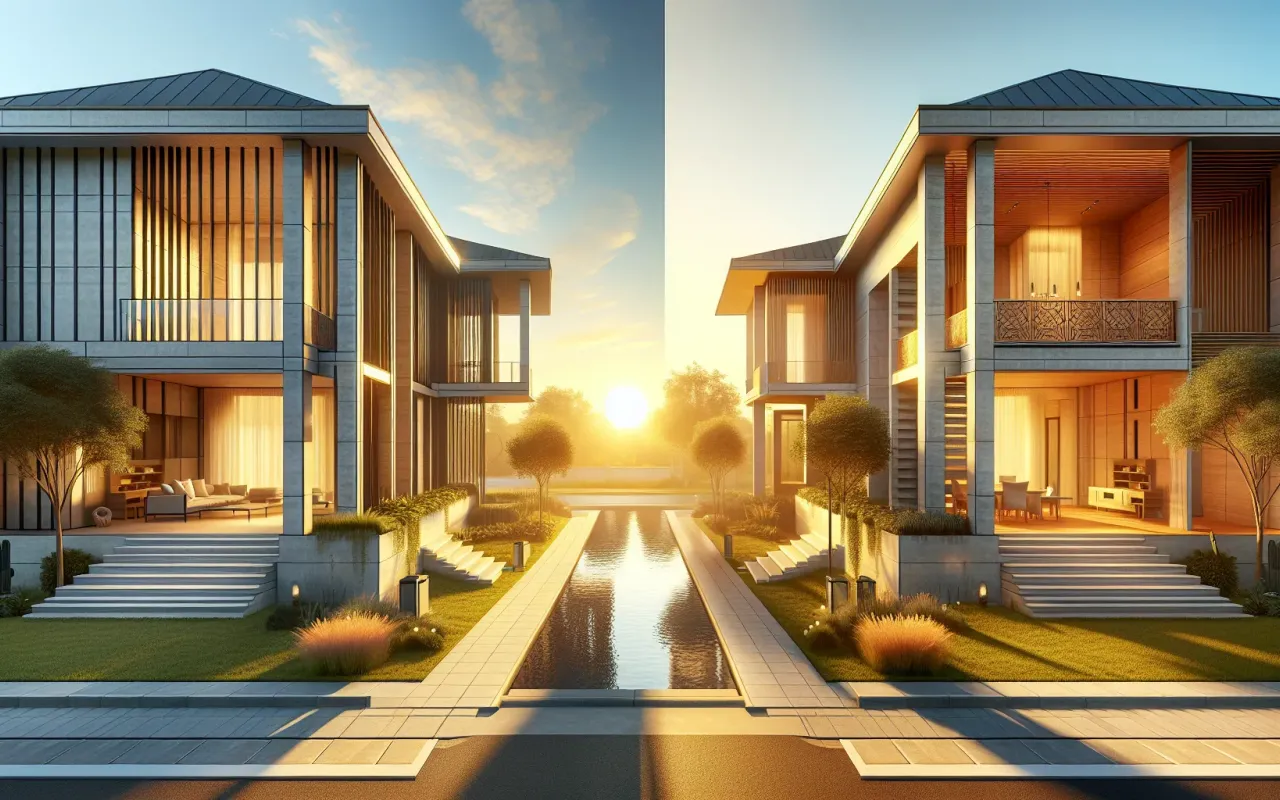
Discover the distinctions and advantages of modern vs traditional architectural designs. Learn which style complements your preferences and stand the test of time.
- August 17, 2024
Architecture is a reflection of culture, history, and innovation. When it comes to choosing between modern vs traditional architectural designs, understanding their unique characteristics and the benefits they offer can guide you to make an informed decision. This article aims to dissect both styles, their elements, and how each can suit different tastes and functional needs.
Understanding Traditional Architectural Designs
Traditional architectural designs are rooted in history and embody the cultural and historical essence of the times they emulate. From Colonial to Victorian, traditional architecture includes various styles that have stood the test of time due to their classic aesthetics and solid construction.
Characteristics of Traditional Architecture
Traditional architecture commonly features:
- Symmetry: Balanced and proportionate design elements.
- Ornamentation: Intricate details like moldings, cornices, and decorative pilasters.
- Natural Materials: Use of wood, brick, and stone that lend authenticity and warmth.
- Historical Inspiration: Designs inspired by past architectural movements.
- Complex Rooflines: Multiple roof pitches and gables adding to the aesthetics.
Advantages of Traditional Architectural Designs
The appeal of traditional architectural designs lies in their timeless elegance. Advantages include:
- Enduring Appeal: Classic designs that rarely go out of style.
- High-Quality Craftsmanship: Fine detailing and quality construction.
- Cultural Richness: Reflects historical and cultural heritage.
- Resale Value: Often associated with higher property values.
Understanding Modern Architectural Designs
Modern architectural designs emphasize simplicity, functionality, and innovation. This style emerged in the early 20th century and has evolved to incorporate cutting-edge technology and materials.
Characteristics of Modern Architecture
Key elements of modern architecture include:
- Minimalism: Clean lines and an uncluttered aesthetic.
- Open Floor Plans: Spacious layouts that promote flexibility and ease of movement.
- Use of Industrial Materials: Concrete, glass, and steel are commonly used.
- Integration with Nature: Designs that blend indoor and outdoor spaces, using large windows and natural light.
- Innovative Technologies: Modern building techniques and smart home integrations.
Advantages of Modern Architectural Designs
Modern architectural designs are valued for their fresh and forward-thinking approach. Benefits include:
- Energy Efficiency: Designs often incorporate sustainable practices and green technologies.
- Functionality: Prioritizing usability and occupant comfort.
- Customization: Flexible layouts and designs adaptable to various needs.
- Current Trends: Reflect contemporary tastes and modern lifestyle requirements.
Comparing Modern vs Traditional Architectural Designs
To determine which style suits you best, consider the following aspects:
Personal Aesthetics
Your personal taste plays a significant role. If you appreciate historical charm and complex detailing, traditional architecture might resonate more with you. Conversely, if you favor sleek and innovative designs, modern architecture could be more appealing.
Functional Needs
Think about how the space will be used. Modern designs tend to offer more open and adaptable spaces ideal for contemporary living, while traditional designs might provide a sense of stability and structure with defined rooms.
Environmental Concerns
Modern architecture often incorporates greener building practices and energy-efficient solutions. If sustainability is a priority, a modern design might better align with your values.
Budget Considerations
The cost can vary widely between the two styles. Modern architecture can sometimes be more cost-effective due to simpler designs and materials, whereas traditional architecture may require more investment in quality craftsmanship and detailed work.
Making Your Decision
Choosing between modern vs traditional architectural designs ultimately depends on balancing your personal preferences with practical considerations. Reflect on what aspects of each style resonate with you and align with your lifestyle.
Consulting with Professionals
Engaging with architects and designers can provide valuable insights tailored to your specific needs. They can offer professional advice and help you weigh the pros and cons of each style concerning your project.
Case Studies and Examples
Explore case studies and examples of both modern and traditional designs. Visiting homes or buildings that embody these styles can give you a clearer vision of what to expect and help solidify your decision.
Conclusion
In the debate of modern vs traditional architectural designs, there is no one-size-fits-all answer. Each style offers distinct benefits and aesthetic appeal. By understanding the core characteristics and advantages of both, you can make an informed choice that best suits your personal taste, functional needs, and values.
Ultimately, whether you lean towards the timeless elegance of traditional architecture or the sleek innovation of modern designs, the key is to find a balance that reflects your unique identity and enhances your living experience.