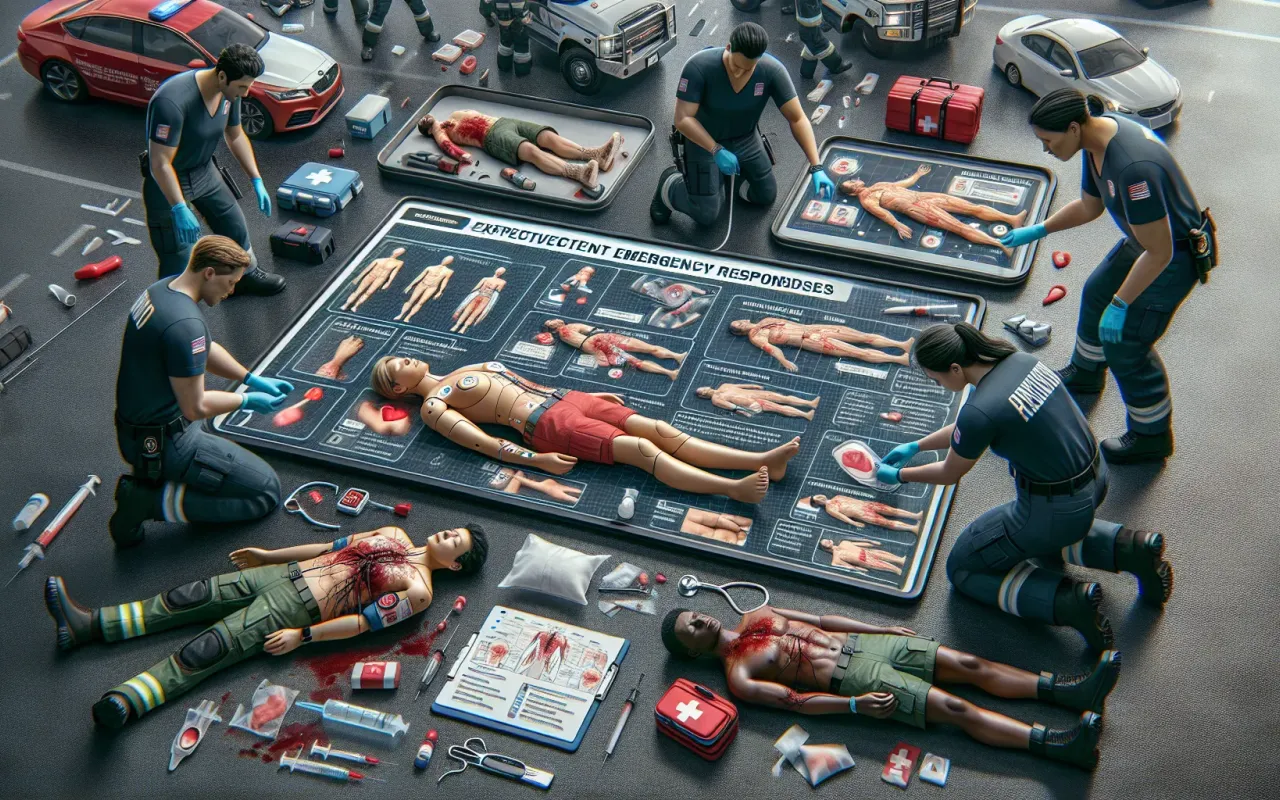
Comprehensive guide on effective emergency response for severe bleeding in emergency situations. Learn how to handle severe bleeding confidently and provide first aid effectively.
- August 17, 2024
AceShowbiz - Severe bleeding in emergency situations can be life-threatening, requiring immediate and effective intervention to prevent fatalities. Understanding how to respond correctly and promptly can make a difference between life and death. This comprehensive guide aims to equip you with the knowledge and skills needed for effective emergency response for severe bleeding.
Understanding Severe Bleeding
What is Severe Bleeding?
Severe bleeding, also known as hemorrhage, occurs when a substantial amount of blood is lost from the circulatory system. This type of bleeding can result from various causes, including traumatic injuries, surgical complications, or medical conditions. Severe bleeding requires immediate medical attention to prevent hypovolemic shock, organ failure, and death.
Causes of Severe Bleeding
- Traumatic Injuries: Accidents, gunshot wounds, stab wounds, and industrial injuries.
- Medical Conditions: Hemophilia, gastrointestinal bleeding, or complications during childbirth.
- Surgical Complications: Post-operative bleeding due to surgical procedures or inadequate hemostasis.
Immediate Steps for Emergency Response
Assessing the Situation
The first step in responding to severe bleeding is to assess the situation quickly. Ensure your safety and the safety of others before providing first aid. Call emergency services immediately and provide them with crucial information such as the location, the extent of the bleeding, and any potential hazards present.
Applying Pressure to the Wound
To control severe bleeding, apply direct pressure to the wound using a clean cloth, gauze, or your hand. Maintain pressure consistently until help arrives. If the cloth becomes soaked with blood, do not remove it; instead, add additional layers while maintaining pressure.
Elevating the Injured Limb
If the severe bleeding is from an arm or leg, elevate the limb above the level of the heart, if possible. Elevation slows the blood flow to the injured area, reducing blood loss.
Advanced Techniques for Severe Bleeding Control
Using a Tourniquet
In situations where direct pressure and elevation are insufficient, a tourniquet may be necessary to control severe bleeding from a limb. To correctly apply a tourniquet:
- Position the tourniquet around the limb, 2-3 inches above the bleeding site but not over a joint.
- Tighten the tourniquet until the bleeding stops. Ensure it is secure enough to occlude arterial blood flow.
- Note the time of application and inform medical personnel upon their arrival.
Hemostatic Agents
Hemostatic agents are substances applied to a wound to promote rapid blood clotting. These agents come in various forms, such as gauze, powder, or sponges. They can be used in conjunction with direct pressure or a tourniquet for added effectiveness.
Long-Term Care and Considerations
Preventing Infection
Once the bleeding is controlled, it is crucial to take steps to prevent infection. Keep the wound clean and avoid touching it with unwashed hands. If possible, cover the wound with a sterile dressing and seek medical assistance promptly for further treatment.
Monitoring for Shock
Severe bleeding can lead to hypovolemic shock, a condition caused by significant blood and fluid loss. Symptoms of shock include pale, cool, and clammy skin, rapid heartbeat, shallow breathing, and confusion. If you suspect someone is in shock, lay them flat, cover them with a blanket to maintain body temperature, and seek emergency medical help.
First Aid Kits and Preparedness
Essential Items for Severe Bleeding
Equipping your first aid kit with items specifically for severe bleeding can improve your response effectiveness. Essential items include:
- Sterile gauze pads and rolls
- Elastic bandages
- Tourniquet
- Hemostatic agents
- Adhesive tape
- Antiseptic wipes
- Disposable gloves
Training and Certification
Receiving proper first aid and CPR certification can prepare you for emergencies involving severe bleeding. Numerous organizations offer training programs that cover various first aid techniques, including bleeding control. Consider renewing your certification periodically to stay updated with the latest guidelines and practices.
Conclusion
Effective emergency response for severe bleeding can save lives. By understanding the steps to control bleeding, such as applying direct pressure, using a tourniquet, and employing hemostatic agents, you can provide crucial first aid in critical situations. Preparing a well-equipped first aid kit and obtaining proper training further enhance your ability to respond confidently and effectively. Remember, prompt and appropriate action can make all the difference in ensuring positive outcomes during emergencies involving severe bleeding.