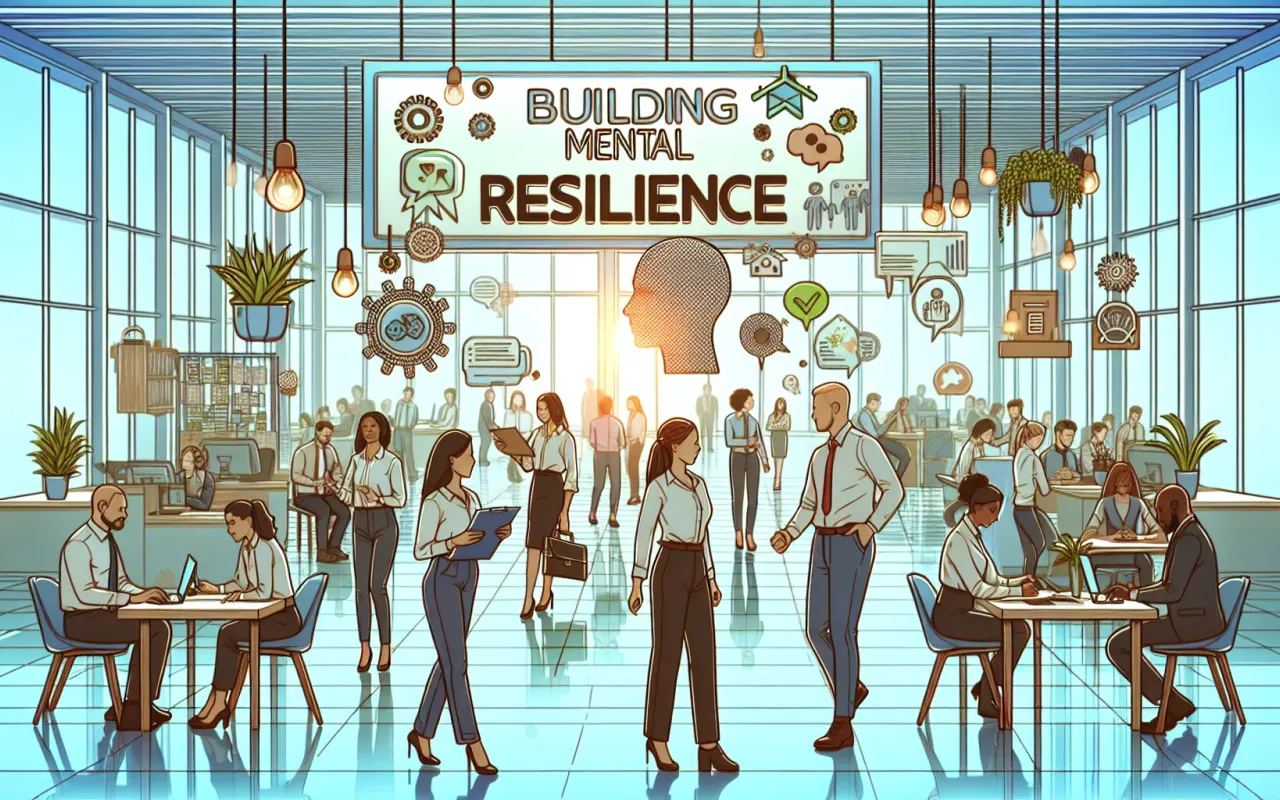
Discover essential tips for building mental resilience in the workplace. Learn how to foster mental toughness and create a healthier work environment.
- August 17, 2024
Introduction
In today's fast-paced and often stressful work environments, building mental resilience in the workplace is more critical than ever. Mental resilience, or mental toughness, refers to the ability to cope with stress, adapt to change, and recover from adversity. This skill isn't just beneficial for personal well-being; it also contributes significantly to overall productivity and workplace morale. In this article, we will explore essential tips for building mental resilience and creating a healthier, more productive work environment.
Understanding Mental Resilience
Mental resilience is not an innate characteristic; it's a skill that can be developed over time. It involves a combination of mental and emotional techniques that help individuals manage stress, maintain optimism, and continue performing at their best even during challenging times.
The Importance of Mental Resilience in the Workplace
Without mental resilience, employees are more susceptible to burnout, reduced productivity, and mental health issues. A resilient workforce can navigate work pressures with greater ease, contributing to a more positive organizational culture and reduced turnover rates.
Tips for Building Mental Resilience in the Workplace
1. Foster a Supportive Work Environment
A supportive work environment is crucial for building mental resilience. Employers should cultivate a culture of open communication where employees feel comfortable sharing their concerns without fear of retribution. Regular team meetings, feedback sessions, and mental health resources can help create a supportive atmosphere.
2. Encourage Work-Life Balance
Work-life balance is fundamental to mental resilience. Encourage employees to take regular breaks, use their vacation days, and establish boundaries between work and personal life. Flexible working hours and remote work options can also contribute to better work-life balance.
3. Provide Access to Mental Health Resources
Access to mental health resources, such as counseling services, stress management workshops, and mental health days, can significantly enhance mental resilience. Employers should actively promote these resources and make them easily accessible to all employees.
4. Promote Physical Health
Physical health and mental resilience are closely linked. Regular exercise, a healthy diet, and adequate sleep are essential for maintaining mental toughness. Employers can support physical health by providing gym memberships, healthy snacks, and opportunities for physical activity during the workday.
5. Develop Emotional Intelligence
Emotional intelligence (EI) is the ability to understand and manage one's emotions and the emotions of others. High EI can enhance mental resilience by improving stress management and interpersonal relationships. Workshops and training programs focused on developing EI can be beneficial.
6. Practice Mindfulness and Stress-Reduction Techniques
Mindfulness and stress-reduction techniques, such as meditation, deep breathing exercises, and yoga, can help employees manage stress and build resilience. Encourage employees to integrate these practices into their daily routine, perhaps by offering on-site or virtual sessions.
7. Cultivate a Growth Mindset
A growth mindset, the belief that abilities and intelligence can be developed through dedication and hard work, can significantly enhance mental resilience. Encourage employees to view challenges as opportunities for growth and learning rather than threats.
8. Set Realistic Goals and Objectives
Setting realistic and achievable goals can prevent employees from feeling overwhelmed. Encourage employees to break down large projects into smaller, manageable tasks, and celebrate small successes along the way.
9. Build Strong Support Networks
Strong support networks, both within and outside the workplace, can provide emotional and practical assistance during challenging times. Encourage employees to build and maintain robust professional and personal support networks.
10. Encourage Continuous Learning and Development
Continuous learning and skill development can boost confidence and adaptability, essential components of mental resilience. Provide opportunities for professional development, training, and career advancement to keep employees motivated and resilient.
Conclusion
Building mental resilience in the workplace requires a multifaceted approach that addresses both individual and organizational factors. By fostering a supportive environment, promoting work-life balance, offering mental health resources, and encouraging continuous learning, employers can equip their workforce with the tools they need to thrive despite challenges. Investing in mental resilience not only benefits employees' well-being but also enhances overall organizational performance, leading to a healthier, more productive workplace.