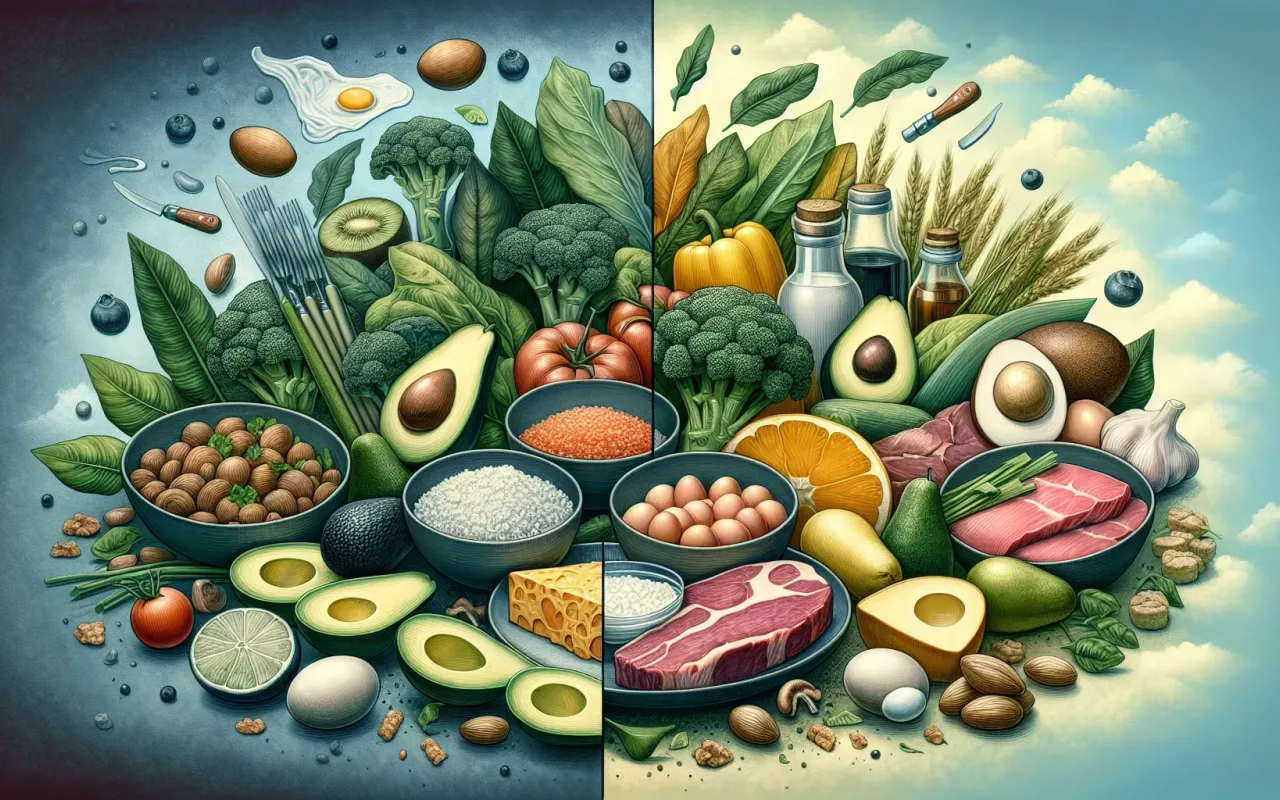
Learn the side effects of low-carb versus keto diets, how they compare, and which diet might be better suited for your needs. Expert analysis included.
- August 16, 2024
AceShowbiz - In the realm of healthy eating and dieting, low-carb and ketogenic (keto) diets have gained significant traction. Both approaches promote the reduction of carbohydrate intake, but they have distinct characteristics and side effects. This article provides a comprehensive comparison of the side effects associated with low-carb and keto diets, helping you make an informed decision about which diet might work best for you.
Defining Low-Carb and Keto Diets
What is a Low-Carb Diet?
A low-carb diet typically involves reducing your daily carbohydrate intake to about 50-150 grams per day. This approach encourages the consumption of proteins, healthy fats, and vegetables while minimizing sugars and starches. Low-carb diets are famous for aiding in weight loss, improving blood sugar levels, and overall health enhancement.
What is a Keto Diet?
The ketogenic diet, often referred to as keto, is a more stringent type of low-carb diet. It limits carbohydrate intake to less than 50 grams per day, leading the body into a state of ketosis. In ketosis, the body burns fat for fuel instead of carbohydrates. The keto diet is known for rapid weight loss, improved energy levels, and better mental clarity.
Common Side Effects of Low-Carb and Keto Diets
The Keto Flu
The initial phase of a keto diet often leads to a set of symptoms collectively known as the "keto flu." These symptoms, which can include headache, fatigue, dizziness, nausea, and irritability, are the result of the body adjusting to low carbohydrate intake and increased fat consumption. This condition typically lasts a few days to a week.
Digestive Issues
Both low-carb and keto diets can cause digestive issues such as constipation, diarrhea, and bloating. This can be due to a sudden change in fiber intake or the body's adjustment to a new macronutrient balance. Ensuring adequate fiber from non-starchy vegetables and staying hydrated can mitigate these issues.
Electrolyte Imbalance
Reducing carbohydrate intake can lead to a decrease in insulin levels and a subsequent loss of sodium and water from the body. This electrolyte imbalance can cause symptoms such as muscle cramps, weakness, and palpitations. Replenishing electrolytes through supplements or mineral-rich foods, such as avocados and leafy greens, is essential on both diets.
Bad Breath
On a keto diet, the body produces acetone, a type of ketone that can cause fruity-smelling breath. This temporary side effect is often unavoidable but can be managed with good oral hygiene and staying hydrated.
Decreased Physical Performance
Initially, transitioning to a low-carb or keto diet can lead to a temporary decrease in physical performance. This happens because the body is adapting to a new energy source. Over time, many individuals report improved strength and endurance, especially those on a keto diet.
Long-term Side Effects and Considerations
Nutrient Deficiencies
Both diets have the potential to cause nutrient deficiencies if not well planned. With the exclusion of certain food groups, individuals may lack essential vitamins and minerals, such as magnesium, calcium, and potassium. Including a variety of nutrient-dense foods and considering supplements can help mitigate this risk.
Hormonal Changes
Significant carbohydrate restriction can influence hormonal balance, particularly in women. Some may experience disrupted menstrual cycles or other hormonal issues. Monitoring and possibly adjusting carbohydrate intake can be crucial for maintaining hormonal health.
Impact on Mental Health
The relationship between diet and mental health is complex. While some people experience improved mental clarity and focus on a low-carb or keto diet, others may encounter mood swings or anxiety, particularly during the initial adaptation phase. Continuous monitoring and personalized adjustments can help address these mental health aspects.
Who Should Avoid Low-Carb or Keto Diets?
These diets may not suit everyone. Individuals with medical conditions such as diabetes, kidney disease, or certain eating disorders should consult healthcare professionals before starting a low-carb or keto diet. Pregnant or breastfeeding women should also seek medical advice prior to making significant dietary changes.
Tips for Minimizing Side Effects
Gradual Transition
Transitioning gradually to a low-carb or keto diet can help the body adapt and reduce the severity of side effects. Gradually decreasing carbohydrate intake over a few weeks allows for a smoother transition and fewer adverse effects.
Prioritize Hydration
Drinking plenty of water is crucial to manage side effects such as constipation and electrolyte imbalance. Hydration supports overall health and aids in maintaining energy levels.
Electrolyte Management
Replenishing lost electrolytes by consuming foods rich in sodium, potassium, and magnesium, or through supplements, is vital. This helps in preventing symptoms like muscle cramps and fatigue.
Balanced Macronutrients
Ensuring a balanced intake of proteins, healthy fats, and fiber-rich vegetables is essential for maintaining health and reducing digestive issues on both low-carb and keto diets.
Final Thoughts
Understanding the side effects of low-carb and keto diets is crucial for making informed dietary choices. Although both diets offer notable health benefits, they also come with potential downsides. By gradually transitioning, staying hydrated, and maintaining a balanced nutrient intake, many of these side effects can be managed effectively. Consulting with healthcare professionals can also provide personalized guidance and support for those considering these dietary changes.
Ultimately, the best diet is one that aligns with your health goals, lifestyle, and individual nutritional needs.