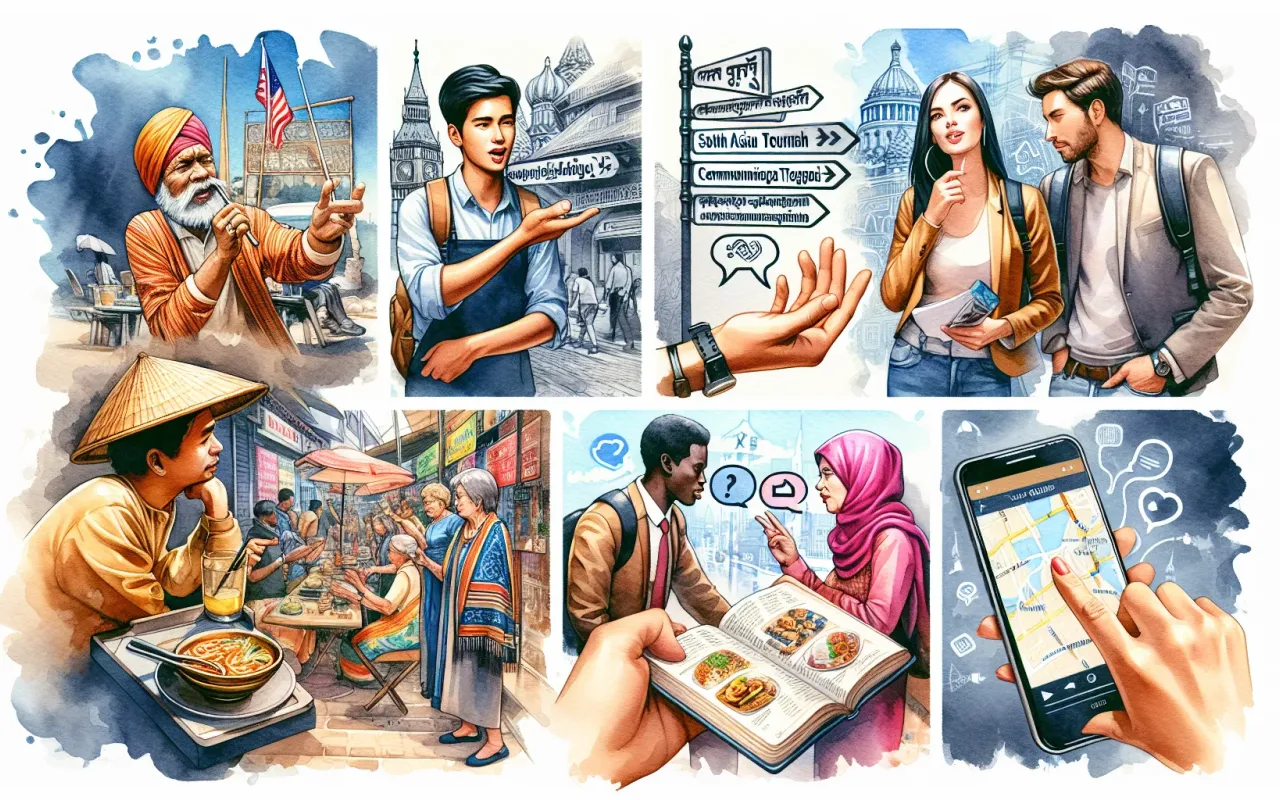
Discover essential travel tips for non-English speaking countries to make your international trips smooth and enjoyable. Learn how to navigate language barriers, cultural differences, and other travel challenges with ease.
- August 16, 2024
Traveling to non-English speaking countries can be both exciting and challenging. While the allure of exploring new cultures is irresistible, language barriers, unfamiliar customs, and differing etiquettes can sometimes be daunting. This guide aims to arm you with essential travel tips for non-English speaking countries, making your international journey smooth, enjoyable, and stress-free.
Planning Your Trip
1. Research the Local Language
Prior to your trip, take the time to research the local language of your destination. Familiarize yourself with basic phrases and common expressions. Apps such as Duolingo, Babbel, or Rosetta Stone can be invaluable for picking up key phrases like "hello," "thank you," and "where is the restroom?" Learning a few words shows respect for the local culture and can greatly enhance your travel experience.
2. Use Translation Apps
Translation apps can be lifesavers when traveling. Google Translate offers text translation, voice-to-text features, and even offline capabilities. Other great options include iTranslate and Microsoft Translator. These apps can help you communicate effectively in real-time, reducing misunderstandings.
3. Learn About Local Etiquette
Understanding local customs and etiquette is crucial. Research cultural norms to avoid any unintended offense. For example, in Japan, it’s polite to bow during greetings, while in some Middle Eastern countries, using the left hand for eating or greeting can be considered disrespectful. Respecting these customs will help you build positive interactions with locals.
During Your Trip
1. Have a Phrasebook Handy
Carrying a small phrasebook or an app loaded with essential phrases can be extremely beneficial. Lonely Planet offers dedicated phrasebooks for many languages, allowing quick reference in various situations, from dining to emergencies.
2. Leverage Body Language
Gestures and body language are powerful tools in communication. Simple actions like pointing or mimicking can convey needs effectively. Be observant of local gestures, as they can sometimes have different meanings.
3. Be Patient and Polite
Patience and politeness go a long way. Speaking slowly and clearly helps the other person understand you better. Use smiles and friendly gestures to bridge any communication gaps. Remember, a warm demeanor can overcome many language barriers.
4. Use Pictures and Symbols
Carry a small notebook with drawings or symbols representing common needs like food, hospitals, or transportation. Alternatively, use image search to show pictures of what you need. Visual aids can serve as effective communication tools.
Navigating on Your Own
1. Use Maps and Offline Navigation
Download maps and navigation apps with offline capabilities to help you get around without relying on internet access. Apps like Google Maps and MAPS.ME provide detailed offline maps and can be a game-changer in unfamiliar territories.
2. Understand Public Transport Systems
Research the public transportation system of your destination. Understanding how to navigate buses, trains, and subways can save time and reduce reliance on assistance from locals. Many cities offer transit apps with schedules and route information in multiple languages.
3. Stay at Reputable Accommodations
Opt for accommodations with good reviews from international travelers. Reputable hotels and hostels often have staff who speak multiple languages and provide resources to help you explore the city efficiently.
Engaging with Locals
1. Join Local Tours and Activities
Participating in organized tours and activities led by locals can offer unique insights into the culture. Look for tours conducted by English-speaking guides or consider group activities that don’t heavily rely on language, such as cooking classes or cultural performances.
2. Connect with Expats
Expats can be a wealth of knowledge. Join expat forums, social media groups, or attend meetups to connect with people who understand the intricacies of living in a non-English speaking country. They can offer practical tips and support during your stay.
3. Utilize Local Resources
Many cities have tourist information centers that provide maps, brochures, and assistance in multiple languages. Take advantage of these resources to gather useful information and get recommendations.
Handling Emergencies
1. Know Emergency Numbers
Research and note down important emergency numbers, such as police, ambulance, and fire services. Having these numbers handy can save crucial time during emergencies.
2. Carry Important Medical Information
Keep a card with you that lists any medical conditions, allergies, and medications you take, written in both English and the local language. In case of a medical emergency, this can be vital for receiving appropriate care.
Conclusion
Traveling to non-English speaking countries can offer some of the most rewarding experiences. With the right preparations and a positive attitude, you can navigate language barriers and immerse yourself in enriching cultural encounters. By following these travel tips for non-English speaking countries, you ensure a seamless, enjoyable, and memorable journey. Embrace the adventure and broaden your horizons with confidence.