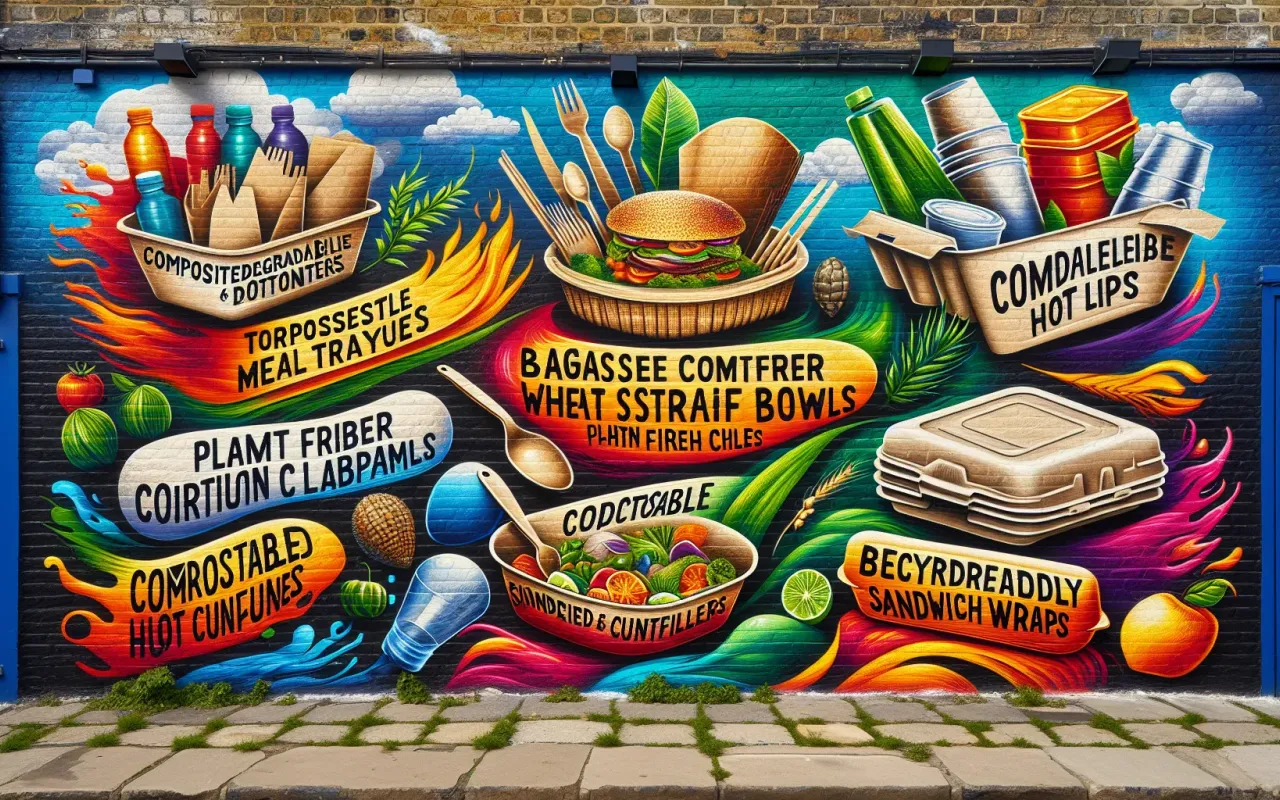
Discover the top 10 biodegradable food containers that offer eco-friendly solutions for your kitchen. Learn about the best sustainable choices to reduce plastic waste.
- August 16, 2024
In a world increasingly conscious of environmental impact, making eco-friendly choices in our daily lives has become essential. One significant way to contribute positively is by opting for biodegradable food containers. These containers not only help reduce plastic waste but also promote a sustainable lifestyle. Let’s explore the top 10 biodegradable food containers that can make a significant difference in your kitchen.
What Are Biodegradable Food Containers?
Biodegradable food containers are designed to break down naturally over time, reducing their environmental footprint. Unlike their plastic counterparts, which can take centuries to decompose, these eco-friendly containers decompose into harmless substances within a much shorter period. They are typically made from natural materials such as cornstarch, sugarcane, bamboo, and palm leaves. Besides being compostable, they are also non-toxic and free from harmful chemicals.
The Benefits of Using Biodegradable Food Containers
Choosing biodegradable food containers offers numerous advantages:
- Environmental Impact: Significantly reduces landfill waste and pollution.
- Sustainability: Made from renewable resources, promoting a circular economy.
- Safety: Free from harmful chemicals, ensuring food safety.
- Compostable: Can be composted at home or in industrial facilities, turning into valuable compost.
Top 10 Biodegradable Food Containers
Here’s a curated list of the top 10 biodegradable food containers to consider for your sustainable kitchen:
1. Biodegradable Sugarcane Plates
Sugarcane plates are durable and perfect for both hot and cold foods. They are compostable and break down within 60 days in a composting facility.
2. Cornstarch Food Containers
Made from cornstarch, these containers are sturdy and microwave-safe. They decompose within a few months, leaving no toxic residue.
3. Bamboo Bento Boxes
Bamboo bento boxes are stylish, reusable, and biodegradable. They are perfect for packing lunches and snacks.
4. Palm Leaf Plates
Palm leaf plates are made from fallen leaves, making them a zero-waste option. They are naturally compostable and add a rustic touch to any meal.
5. Paper Pulp Containers
These containers are made from recycled paper pulp and are compostable. They are ideal for takeaway meals and retain food freshness.
6. Plant Fiber Containers
Plant fiber containers are robust and suitable for a variety of foods. They break down quickly in composting conditions.
7. Compostable Sandwich Bags
These bags are a great alternative to plastic sandwich bags. Made from plant starch, they decompose in home compost bins.
8. Wheat Bran Bowls
Wheat bran bowls are edible and biodegradable. They can hold both hot and cold dishes and decompose within 30 days of disposal.
9. Rice Husk Storage Containers
These containers are durable and resistant to moisture. Made from rice husk, they are fully compostable and biodegradable.
10. PLA (Polylactic Acid) Containers
PLA containers are derived from fermented plant starches. They are clear, rigid, and compostable, offering an excellent alternative to plastic.
How to Properly Dispose of Biodegradable Food Containers
Even though biodegradable food containers are designed to break down naturally, it’s essential to dispose of them properly:
- Compost: Compost them in your backyard or in an industrial composting facility where they will break down efficiently.
- Recycling: Verify if your local recycling program accepts biodegradable materials.
- Landfill: As a last resort, dispose of them in the landfill where they will decompose faster than traditional plastics.
Tips for Choosing the Right Biodegradable Food Containers
When selecting biodegradable food containers, consider the following tips:
- Material: Choose containers made from natural, renewable resources like cornstarch, bamboo, or sugarcane.
- Durability: Ensure the containers are sturdy enough to hold your food without breaking.
- Certifications: Look for certifications like BPI (Biodegradable Products Institute) to ensure the product meets compostability standards.
- End-of-life: Consider how easily the container can be composted or recycled in your local area.
Conclusion: Make the Switch to Biodegradable Food Containers
Transitioning to biodegradable food containers is a small yet impactful step towards a more sustainable lifestyle. By choosing products that decompose naturally and safely, you contribute to reducing plastic pollution and promoting a healthier planet. Consider incorporating these eco-friendly solutions into your daily routine and enjoy the benefits of making greener choices for your kitchen.