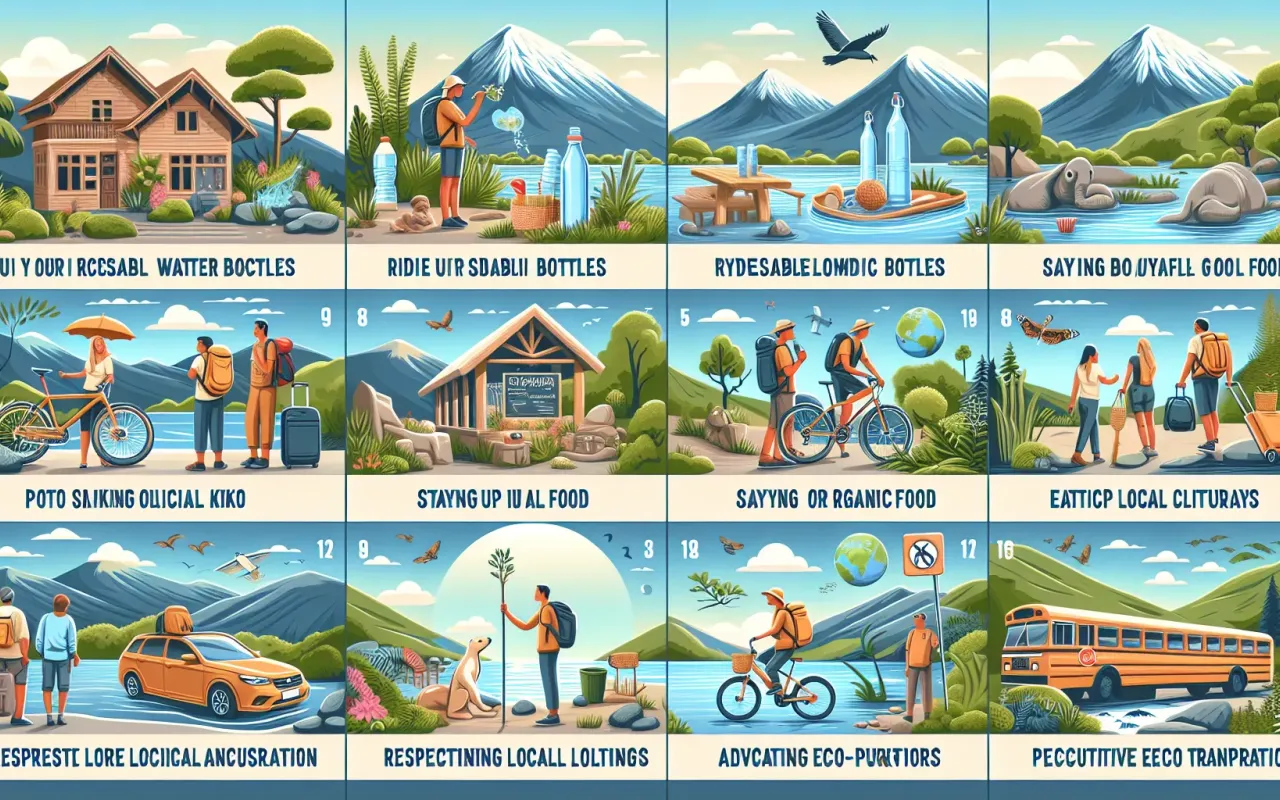
Discover the top 10 tips for sustainable travel practices in sustainable tourism and make your trips more eco-friendly and responsible.
- August 15, 2024
Sustainable tourism is not just a buzzword; it is an essential practice for preserving our planet and ensuring future generations can enjoy the wonders of travel. By adopting sustainable travel practices, you can minimize your impact on the environment and support local communities. Here are the top 10 tips for sustainable travel practices that every responsible traveler should consider.
1. Choose Eco-Friendly Accommodations
Selecting environmentally conscious hotels or lodgings plays a significant role in reducing your travel footprint. Look for accommodations that hold certifications like LEED or Green Key, which indicate adherence to eco-friendly standards.
Why It Matters
Eco-friendly accommodations are committed to reducing waste, conserving energy, and often supporting local conservation efforts.
2. Reduce Air Travel When Possible
Air travel contributes significantly to carbon emissions, making it important to seek out alternatives whenever possible. Consider traveling by train, bus, or embarking on road trips.
Why It Matters
Alternative transportation methods typically have a lower carbon footprint than flying. Slower travel not only benefits the environment but also allows for a more immersive experience.
3. Pack Light
Minimizing the weight of your luggage can surprisingly reduce your environmental impact. Heavier planes require more fuel, and carrying less helps decrease your carbon footprint.
Tips for Packing Light
- Choose versatile clothing items that can be easily mixed and matched.
- Use reusable containers for toiletries to reduce plastic waste.
4. Support Local Economies
One of the best tips for sustainable travel practices is supporting local businesses. Patronize locally-owned restaurants, shops, and tour operators to bolster the local economy.
Why It Matters
Supporting local businesses ensures that the economic benefits of tourism are felt by the community, fostering sustainable development.
5. Respect Wildlife and Natural Habitats
While it may be tempting to get close to wildlife, keeping a respectful distance is crucial. Avoid engaging in activities that exploit animals or damage their natural habitats.
Responsible Wildlife Interactions
- Choose wildlife experiences that prioritize animal welfare and conservation.
- Avoid attractions that offer animal performances or close interactions.
6. Conserve Water and Energy
Simple actions like reusing towels, taking shorter showers, and turning off lights can significantly conserve water and energy.
Easy Practices
- Unplug electronics when not in use.
- Opt for accommodations with energy-efficient appliances and practices.
7. Minimize Waste
Reducing waste is a cornerstone of sustainable tourism. Carry reusable items such as water bottles, shopping bags, and utensils to cut down on single-use plastics.
Waste Reduction Tips
- Decline unnecessary packaging and plastic bags.
- Recycle whenever possible and dispose of waste properly.
8. Be Culturally Sensitive
Respecting the cultures and traditions of the places you visit is vital. Learn about local customs, dress appropriately, and always ask for permission before photographing people.
Why It Matters
Cultural sensitivity fosters mutual respect and preserves the dignity and heritage of the communities you visit.
9. Offset Your Carbon Footprint
Carbon offset programs allow travelers to compensate for the emissions generated by their trips. Investing in projects like reforestation or renewable energy initiatives can neutralize your carbon footprint.
How to Offset Carbon
- Choose reputable offset programs and verify their impact.
- Combine offsets with sustainable travel practices for maximum benefit.
10. Educate Others
Sharing your knowledge about sustainable travel practices can inspire others to follow suit. Whether through social media, blogs, or conversations, you can make a significant impact by spreading awareness.
Why It Matters
Collective effort is crucial for addressing global environmental challenges. Educating others amplifies the movement towards sustainable tourism.
Conclusion
Adopting these tips for sustainable travel practices is essential for preserving the planet and promoting responsible tourism. By choosing eco-friendly accommodations, reducing waste, and supporting local economies, you contribute to a more sustainable future. Remember, every small action counts and collectively makes a significant impact. Happy sustainable travels!