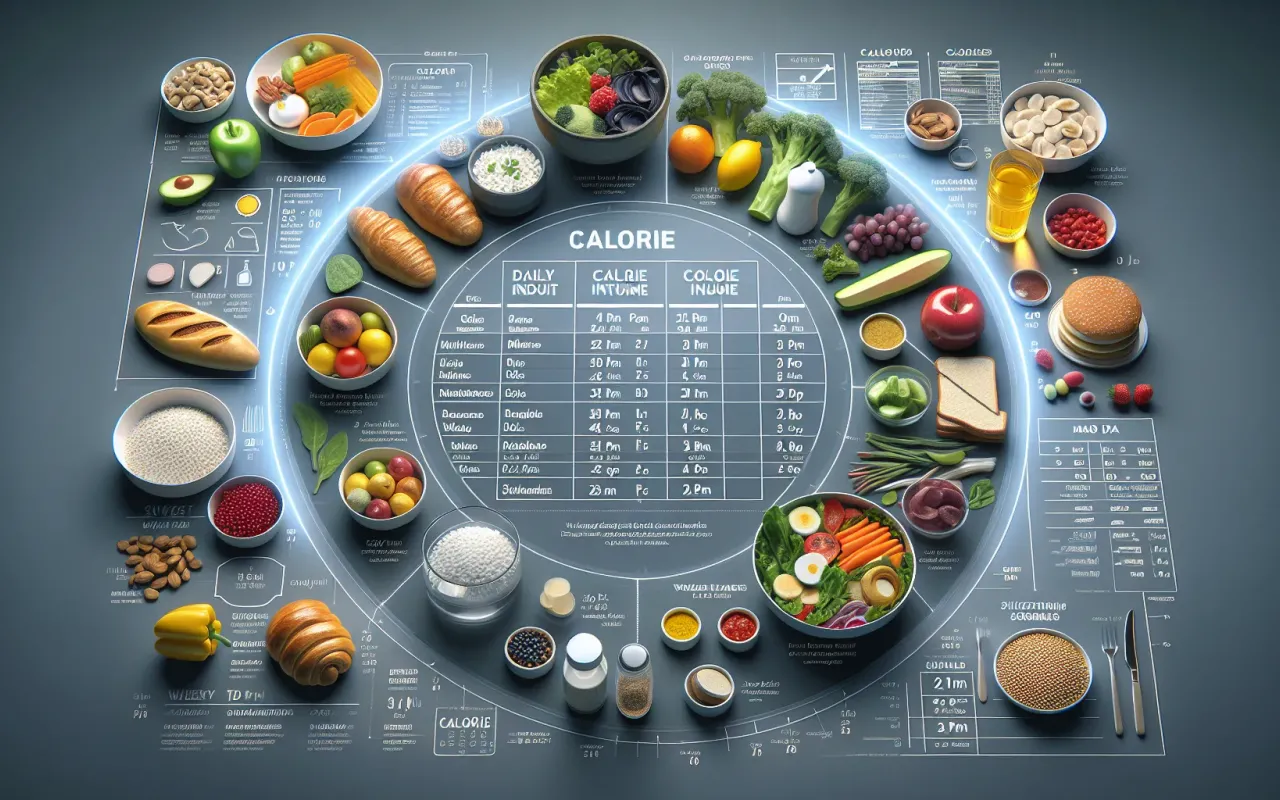
Explore our Essential Guide to Daily Calorie Intake for a Balanced Diet and learn how to effectively manage your calorie consumption for optimal health.
- August 14, 2024
Understanding daily calorie intake for a balanced diet is crucial for anyone looking to maintain or achieve optimal health. This comprehensive guide delves deep into the intricacies of how much energy you need and how to manage your calorie consumption effectively. By the end of this article, you'll have a solid understanding of daily calorie intake and how to tailor your diet to meet your specific health goals.
What is a Calorie?
Calories are units of energy that measure the amount of energy food and beverages provide. Everything you consume has a caloric value, which your body uses to fuel various functions such as breathing, digestion, and physical activities. Understanding your daily calorie intake for a balanced diet begins with knowing what calories are and how they impact your body.
Determining Your Daily Calorie Needs
The number of calories you need daily can vary based on several factors, including age, sex, weight, height, and physical activity level. Here are some essential components to consider:
Basal Metabolic Rate (BMR)
Your Basal Metabolic Rate (BMR) is the number of calories your body needs at rest to maintain vital functions like breathing and circulation. BMR is influenced by genetics, muscle mass, age, and gender. Various online calculators can help you estimate your BMR.
Physical Activity Level
Your activity level significantly impacts your daily caloric needs. The more active you are, the more energy you require. Activities are generally categorized into sedentary, lightly active, moderately active, very active, and extra active.
Total Daily Energy Expenditure (TDEE)
Your Total Daily Energy Expenditure (TDEE) is calculated by multiplying your BMR by an activity factor that corresponds to your lifestyle. This number provides a more comprehensive view of your daily calorie needs.
Daily Calorie Intake Guidelines
Recommended daily calorie intake can vary, but general guidelines provided by health authorities suggest the following:
- Women: 1,800 to 2,400 calories per day
- Men: 2,200 to 3,000 calories per day
Balancing Macronutrients
A balanced diet involves not just the right number of calories but also the correct proportions of macronutrients — carbohydrates, proteins, and fats.
Carbohydrates
Carbohydrates should make up about 45-65% of your total daily caloric intake. They are your body's primary energy source. Focus on complex carbohydrates like whole grains, fruits, and vegetables.
Proteins
Proteins should account for 10-35% of your daily calorie intake. They are essential for tissue repair, muscle growth, and enzyme production. Include lean meats, dairy, legumes, and nuts in your diet.
Fats
Fats should comprise 20-35% of your daily calorie intake. Healthy fats are crucial for hormone production and cell function. Opt for sources like avocados, olive oil, and fatty fish.
Monitoring Calorie Intake
Keeping track of your daily calorie intake for a balanced diet can be challenging but highly beneficial. Here are some tools and strategies:
Food Diaries and Apps
Using a food diary or app can help you log what you eat and keep track of your calorie intake. Several apps also provide insights into the nutritional content of your meals, making it easier to maintain a balanced diet.
Portion Control
Being mindful of portion sizes can help you manage your calorie intake effectively. Use smaller plates, read food labels, and measure your portions to avoid overeating.
Mindful Eating
Practicing mindful eating involves paying full attention to the experience of eating and drinking. This approach can help you tune into your hunger and fullness signals, preventing overeating.
Special Considerations
Everyone's calorie needs are different, and certain life stages or conditions may require adjustments:
Pregnancy and Breastfeeding
Pregnant and breastfeeding women have increased caloric needs to support the growth and development of their baby. Consult with a healthcare provider to determine the right amount.
Aging
As you age, your calorie needs might decrease due to a slowing metabolism and reduced physical activity. Focus on nutrient-dense foods to meet your body's needs without over-consuming calories.
Medical Conditions
Conditions like diabetes, thyroid disorders, and others can impact your caloric requirements. Always consult a healthcare professional for personalized advice.
Conclusion
Understanding your daily calorie intake for a balanced diet is key to maintaining a healthy lifestyle. By considering factors like BMR, TDEE, and macronutrient balance, you can create a diet plan tailored to your needs. Utilize tools like food diaries and apps, and practice mindful eating to stay on track. Remember that special conditions may require adjustments, so always seek professional advice when needed. With these strategies, you can achieve optimal health and well-being.