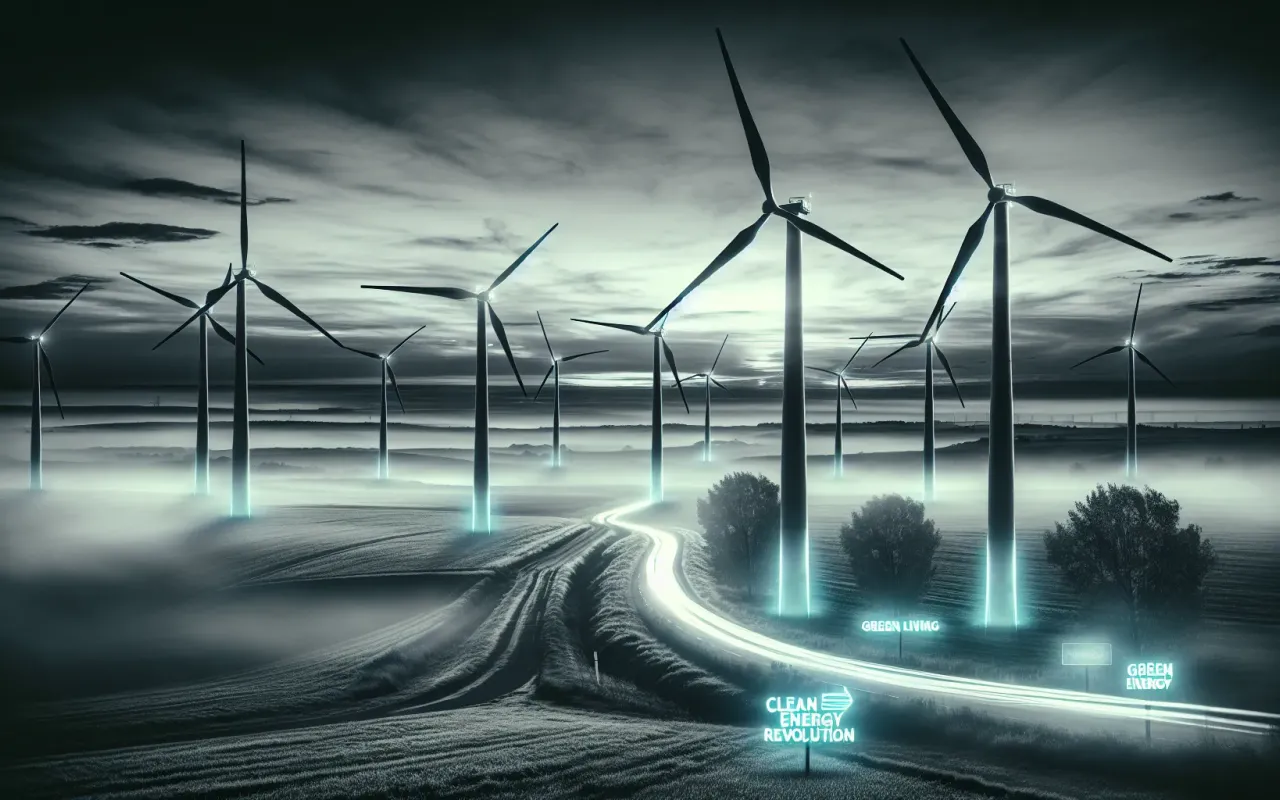
Discover the top wind energy solutions for green living. Learn how wind energy contributes to the clean energy revolution, key technologies, benefits, and implementation strategies.
- August 13, 2024
Introduction
As the world grapples with the pressing need to combat climate change and reduce carbon emissions, wind energy solutions for green living have emerged as a promising avenue in the clean energy revolution. Wind energy, being one of the most sustainable and cost-effective renewable resources, holds significant potential to transform our energy landscape. This article delves into the leading wind energy technologies, their benefits, and practical strategies for their implementation in fostering a sustainable future.
Understanding Wind Energy
Wind energy harnesses the power of moving air to generate electricity. Wind turbines, both onshore and offshore, convert the kinetic energy of wind into mechanical power that can be used for various applications, including power generation, water pumping, and milling.
Key Wind Energy Technologies
1. Onshore Wind Turbines
Onshore wind turbines are installed on land and are a prevalent technology in many regions globally. They take advantage of strong, consistent winds typically found in open plains, hills, and coastal areas. Key advantages include ease of installation and lower maintenance costs.
2. Offshore Wind Turbines
Offshore wind turbines are located in bodies of water, often on the continental shelf. These turbines benefit from stronger and more consistent winds than onshore turbines, leading to higher energy output. The installation and maintenance costs are higher due to the challenging marine environment, but the potential energy yield is significantly greater.
3. Vertical Axis Wind Turbines (VAWT)
Unlike traditional wind turbines with horizontal axes, VAWTs have a vertical orientation. They are suitable for urban environments where space is limited and wind direction is variable. VAWTs are generally quieter and can be placed closer to the ground, making them an attractive option for residential and small-scale commercial use.
4. Small Wind Systems
Small wind systems are designed for residential and small business use. They typically have a lower energy output but are sufficient for individual households or small communities. These systems provide a feasible way for individuals to generate their own electricity, reducing dependency on the grid and lowering energy costs.
Benefits of Wind Energy Solutions for Green Living
1. Environmental Benefits
Wind energy is a clean power source that produces no greenhouse gas emissions during operation. Transitioning to wind energy significantly reduces the carbon footprint and mitigates the impact of global warming. Additionally, wind farms do not require water for cooling, preserving valuable freshwater resources.
2. Economic Advantages
Harnessing wind energy creates jobs and stimulates economic growth. From manufacturing and installation to maintenance and operation, the wind industry generates employment opportunities across multiple sectors. Moreover, wind energy helps stabilize energy prices by reducing reliance on fossil fuels whose prices are subject to global market fluctuations.
3. Energy Security
Wind energy enhances energy security by diversifying the energy mix. It reduces dependency on imported fossil fuels and increases energy resilience. Distributed wind energy systems, such as small wind turbines, further enhance energy security by allowing localized power generation.
4. Social Benefits
Wind energy projects can revitalize rural and remote communities by providing local employment and infrastructure development. Community-owned wind farms foster local involvement and keep profits within the community, promoting economic sustainability.
Implementing Wind Energy Solutions for Green Living
1. Site Selection and Assessment
Careful site selection is crucial for the success of wind energy projects. This involves evaluating wind resources, environmental impact, proximity to transmission lines, and community acceptance. Conducting comprehensive feasibility studies ensures optimal site selection and project viability.
2. Technology Integration
Integrating wind energy with other renewable sources, such as solar and hydro, can create a more stable and reliable energy system. Hybrid systems can leverage the complementary nature of different renewable sources, enhancing overall energy production and efficiency.
3. Policy and Regulatory Support
Government policies and incentives play a vital role in promoting wind energy adoption. Feed-in tariffs, tax credits, and grants can make wind energy projects more financially attractive. Robust regulatory frameworks ensure that wind energy projects comply with environmental and safety standards.
4. Community Engagement
Engaging local communities is essential for the social acceptance of wind energy projects. Transparent communication, participatory decision-making, and addressing community concerns foster positive relationships and support for wind energy initiatives.
5. Advances in Wind Energy Technology
Continuous advancements in wind energy technology, such as improved turbine designs and materials, enhance efficiency and reduce costs. Innovations in energy storage solutions, such as batteries and pumped hydro storage, address intermittency issues and further integrate wind energy into the grid.
Conclusion
The clean energy revolution heralds a promising future with wind energy solutions for green living at its forefront. Wind energy offers a myriad of environmental, economic, social, and energy security benefits. By adopting comprehensive strategies that include careful site selection, technology integration, policy support, and community engagement, we can accelerate the transition to a sustainable and resilient energy future. Embracing wind energy is not only a choice for green living but also a crucial step toward a more sustainable planet.